Category: Book Review

  • Book Review: Plant Powered Plus by Will Bulsiewicz

    Book Review: Plant Powered Plus by Will Bulsiewicz

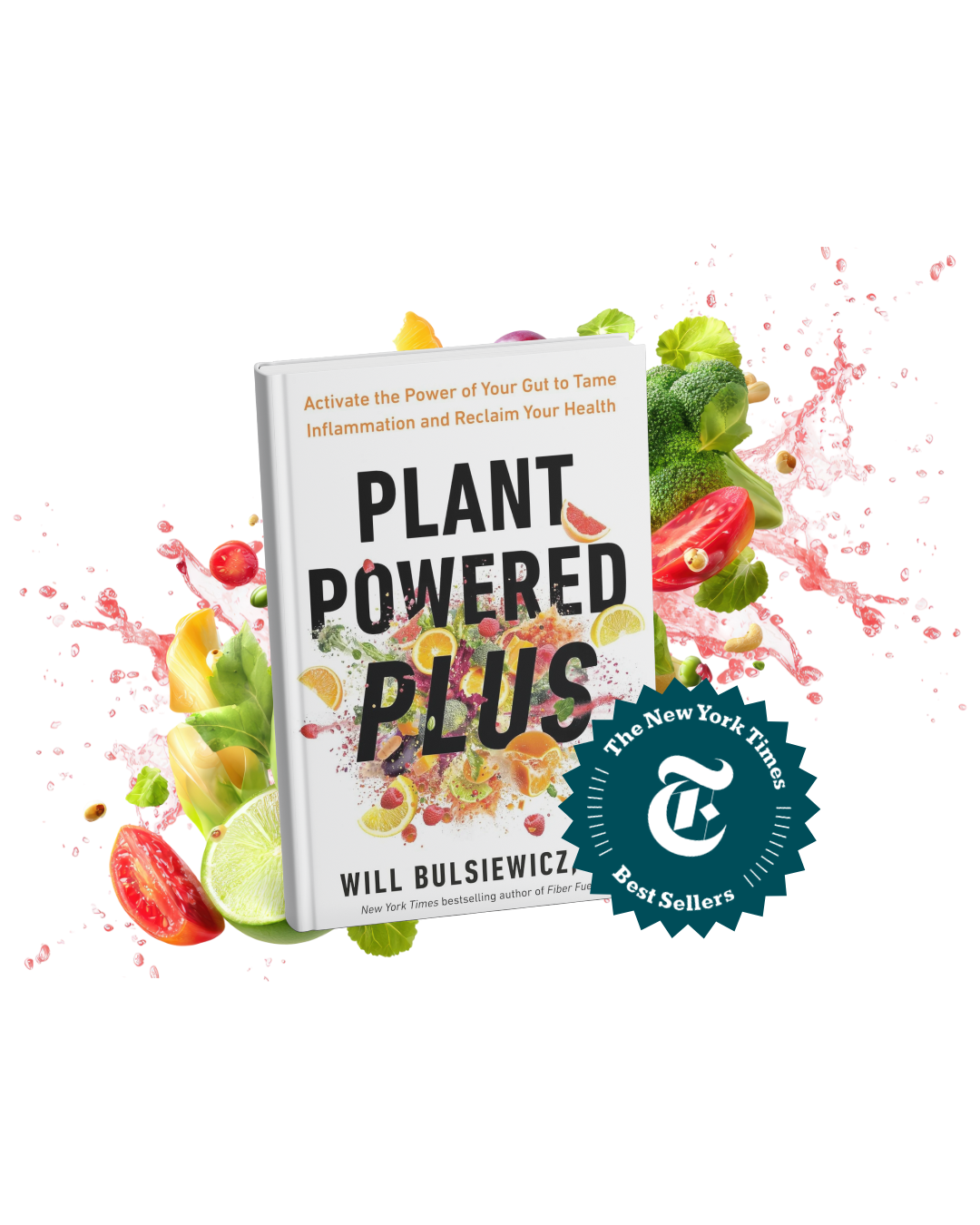
    I’m a big fan of Dr. B (Will Bulsiewicz). He’s approachable, positive, knowledgeable, and compassionate, and I always look forward to his new books. In Plant Powered Plus, he expands on the gut microbiome and highlights the importance of also addressing and healing the gut barrier and immune system. Together, he calls these our “legendary triad of bodily defenders.”

    The book is broken down into three parts:
    Part 1: Foundations of Inflammation
    Part 2: The Pillars of Gut-Immune Health
    Part 3: From Knowledge to Action, and Inspiration to Transformation

    In my opinion, the first part felt somewhat like a review of material covered in his earlier work, but I particularly appreciated the chapter on our toxic environment.

    Part 2 offers plenty of practical tips. I especially enjoyed the chapter on “The Four Nutrition Workhorses,” with fibre and polyphenols taking the top two spots on the list. Healthy fats come in at number three. Viewed through the lens of a whole-food plant-based nutritionist, I wasn’t entirely convinced by the emphasis on olive oil. That said, I appreciate that Dr. B. aims to meet people where they are, and every step toward healthier eating is a win. There’s no question that extra virgin olive oil is preferable to many other oils, but there are also plenty of ways to cook and enjoy food without adding it. The fourth pillar is fermented foods, of which I’m also a big fan. Ideally, everyone would include one or two fermented foods in their daily diet.

    Dr. B. also discusses supplements. While I agree with some of his suggestions, vitamin D, for example, it’s worth approaching these recommendations with a bit of caution. He does have a vested interest in supplements, as he serves as the U.S. Medical Director of Zoe, a health app and supplement company. He does disclose this relationship, but it’s something readers should keep in mind.

    By far, the part of the book that will likely appeal most to readers is the final section: “The Plant-Powered Plus Protocol.” Here, Dr. B. outlines a three-phase plan: Baseline, Growth, and Mastery. Within each phase, he provides nutritional guidelines, weekly meal plans, and a daily checklist that includes practices such as getting sunlight and doing breathwork. The final 100 pages of the book are dedicated to recipes, 52 in total.

    Overall, this was an enjoyable read and one I will recommend to my clients. The book strikes a nice balance between science and practical guidance, making complex concepts accessible to everyday readers. If you are struggling with inflammation or gut issues, there’s a good chance that Dr. B.’s protocol could help support your healing journey.

  • Book Review: Outlive by Dr. Peter Attia

    Book Review: Outlive by Dr. Peter Attia

    In fall 2023, Dr. Peter Attia released Outlive: The Science and Art of Longevity, a thought-provoking read that explores how we might extend not just our lifespan, but our healthspan. While not everything he suggests will feel practical or accessible for everyone, the book offers meaningful insights into long-term health, prevention, and the choices that shape how we age.

    What I appreciate most about Outlive is how it encourages readers to reflect on the foundations of well-being and take an active role in their future health. Attia challenges aspects of our current medical system, calling for what he describes as a “Medicine 3.0” approach, one that focuses more on prevention, early intervention, and personalized care rather than simply treating disease after it appears.

    A passage that particularly resonated with me comes from his friend’s, Ric Elias, reflection on aging and mindset:

    “I think people get old when they stop thinking about the future. If you want to find someone’s true age, listen to them. If they talk about the past and they talk about all the things that happened that they did, they’ve gotten old. If they think about their dreams, their aspirations, what they’re still looking forward to – they’re young.”

    This perspective highlights something often overlooked in conversations about longevity: emotional and psychological health. For me, the final chapter, which explores emotional well-being and the inner work required for true health, was among the most meaningful parts of the book. It serves as a reminder that living well is not just about physical metrics, but also about purpose, connection, and continued growth.

    From a nutrition standpoint, readers should note that the book does not approach health from a fully plant-forward perspective. While Attia presents a range of strategies grounded in research and clinical experience, some recommendations may not align with all dietary philosophies or holistic frameworks. As with any health resource, it’s helpful to read with curiosity and discernment, taking what resonates and adapting it to your own values and needs.

    Overall, Outlive is an engaging and thought-provoking exploration of what it means to live well for longer. Even if every recommendation isn’t feasible or aligned with your personal approach, the book invites important reflection on prevention, resilience, and the habits that support long-term vitality.

  • Book Review: The Microbiome Master Key by B. Brett Finlay and Jessica M. Finlay

    Book Review: The Microbiome Master Key by B. Brett Finlay and Jessica M. Finlay

    The Microbiome Master Key by B. Brett Finlay and Jessica M. Finlay is, without question, the most comprehensive book on the human microbiome that I have read. While most people are familiar with the concept of the gut microbiome, and if you’ve been following my work, you’ll also have heard me talk about the oral microbiome, this book goes far beyond those commonly discussed areas.

    In addition to dedicated chapters on the gut and oral microbiomes, the authors present current research on a wide range of lesser-known but equally important microbial ecosystems. These include the skin microbiome; the microbiomes of the heart and brain; the lung microbiome; and the microbiome of the urogenital tract. There are also fascinating chapters exploring the relationship between microbes and the musculoskeletal system, microbes and cancer, the impact of sleep on the microbiome, and a chapter examining COVID-19 through a microbiome lens. The book also challenges the common perception that environmental microbes are inherently dangerous, highlighting instead their often-protective and beneficial roles in human health.

    One feature I particularly appreciated is the “Key Tips” section at the end of every chapter. While much of the book is highly technical and may not appeal to a general audience, these summaries distill complex research into practical, actionable insights. Even readers who choose to skim the technical sections would still gain value from these key takeaways alone.

    The final chapter brings everything together by outlining practical steps to support microbial health and longevity. The authors emphasize that humans live in constant partnership with their microbes, and that lifestyle choices should consider not only our own needs, but those of our microbial communities as well. Key themes include:

    • Nutrition: A diet rich in diverse, fibre-containing plant foods helps nourish a resilient and diverse microbiome. Minimally processed, plant-forward eating patterns are consistently associated with better microbial balance.
    • Movement: Regular physical activity supports microbial diversity and overall metabolic health. The focus is on staying active in sustainable, enjoyable ways rather than rigid exercise prescriptions.
    • Social connection: Strong social bonds with family, friends, and community are increasingly recognized as important for both mental health and microbial health, likely through their effects on stress, immunity, and behaviour.
    • Stress management: Chronic stress can negatively alter the microbiome. Practices that reduce stress, such as time in nature, mindfulness, or simply adequate rest, play an important role in microbial resilience.
    • Sleep: Consistent, high-quality sleep supports circadian rhythms that influence microbial function. Prioritizing restful sleep is a foundational, yet often overlooked, aspect of microbiome health.

    This is not a book I would recommend to everyone. However, for those who are curious, scientifically inclined, or interested in learning more about a specific microbiome, such as the lungs or skin, it’s an excellent resource. Even reading select chapters can deepen one’s understanding of how profoundly interconnected our microbes are with every aspect of human health.

  • Book Review:  Eat What Elephants Eat: Vegan Recipes for a Strong Body and a Gentle Spirit by Dominick Thompson

    Book Review: Eat What Elephants Eat: Vegan Recipes for a Strong Body and a Gentle Spirit by Dominick Thompson

    Although this cookbook is not strictly whole-food, plant-based, as small amounts of added oil are used, it is an excellent resource for anyone curious about vegan living or beginning their plant-based journey. Dominick Thompson opens the book by sharing his personal story of becoming vegan. Unlike many narratives that begin with a health crisis, Thompson’s turning point occurred while he was incarcerated. This unconventional and honest origin story sets the tone for a book that is as much about values and personal growth as it is about food.

    Thompson clearly articulates his “why” for veganism with the simple yet powerful motto: “If It Requires Harm, Then Nahh.” This guiding principle carries throughout the book and is reinforced by a thoughtful section on social justice, an element often missing from nutrition and recipe-focused writings. He explains that he named the book after “Earth’s largest herbivore, the mighty African elephant-an intelligent, gentle, curious, strong, and peaceful creature that fuels its massive body with plants.” This symbolism underscores the book’s message that strength and vitality can coexist with compassion.

    The book is organized into four main sections:

    • The Eat What Elephants Eat Journey
    • How to Eat What Elephants Eat
    • The EWEE Kitchen
    • Recipes

    Interwoven throughout are practical and accessible educational resources, including an overview of macronutrients, guidance on plant-based protein sources, healthy fats, and key micronutrients. Readers will also find helpful tools such as a plant-based milk guide, whole grain and bean batch-cooking tips, a build-a-bowl guide, a leafy greens overview, and a simple smoothie formula. These additions make the book feel both instructional and supportive, particularly for those new to vegan eating.

    The recipes themselves are clearly written, well organized, and beautifully photographed. Of the dishes I tried, the chickpea Caesar dressing stood out as a favourite, always a win when a recipe encourages more bean consumption! Many of the offerings are especially approachable for newcomers, with familiar comfort foods like Mac ’n “Cheese” and Orange “Chicken” reimagined in a vegan-friendly way.

    One minor drawback is that some recipes require components from other recipes within the book, which means a bit of advance planning and extra page-flipping. That said, this is fairly common in comprehensive cookbooks and is entirely manageable with a little organization.

    Overall, Eat What Elephants Eat is a thoughtful, encouraging, and practical cookbook. It serves as a strong resource for anyone at the beginning of their vegan journey, offering not just recipes, but context, compassion, and a broader understanding of how food choices connect to personal and social well-being.

  • Book Review: Food Intelligence by Julia Belluz & Kevin Hall

    Book Review: Food Intelligence by Julia Belluz & Kevin Hall

    “Nutrition isn’t rocket science, it’s much more difficult, and it affects our everyday lives.”

    Food Intelligence isn’t a light read, but for anyone eager to deepen their understanding of nutrition, metabolism, and the forces that shape our eating habits, it’s an absolute powerhouse. Co-written by Julia Belluz, a science journalist with a Master of Science who openly shares her own struggles with weight, and Dr. Kevin Hall, an internationally recognized expert in human nutrition, metabolism, obesity, and neuroscience, this book blends accessible storytelling with rigorous science.

    While many nutrition books stick to the usual macronutrient overview: protein, fat, and carbohydrates, Food Intelligence goes far beyond the basics. Belluz and Hall unpack the complex biological signals that control our hunger and satiety, weaving in what we now know about how the brain, hormones, and environment interact to shape behaviour. A central theme is the role of our modern food environment: how it nudges us, often unconsciously, toward overeating.

    One of the most compelling chapters tackles ultra-processed foods (UPFs). Rather than demonizing the entire category, the authors draw an important distinction: the real culprits are energy-dense, hyperpalatable UPFs, the packaged cookies, candies, salty snacks, and convenience foods engineered to override our internal stop signals. The book argues that these foods don’t just taste good, they’re biologically primed to disrupt appetite regulation.

    The section on improving the food environment is equally insightful. The authors outline how policy changes, such as adjusting advertising rules, taxing certain products, and making healthier options more accessible, could meaningfully reshape eating patterns on a societal level. Their discussion of “precision nutrition” is another highlight, cutting through hype to explain why personalized diets currently lack robust scientific backing.

    Additional chapters explore the history of vitamin supplementation (including how deficiency diseases shaped modern marketing), the global calorie “glut,” and the massive problem of food waste. The final chapter ties everything together with practical steps individuals can take, grounded not in guilt or restriction, but in understanding how to work with your biology rather than against it.

    Ultimately, Food Intelligence leaves readers with a sense of hope and clarity. Belluz and Hall make a compelling case that overeating and rising obesity rates are not failures of willpower but the predictable result of human biology colliding with a highly processed, highly marketed food landscape. By shifting the focus from personal blame to systemic understanding, they offer a refreshing and empowering perspective on what we can do, both individually and collectively, to create a healthier food future.

  • Book Review:  Heal Your Gut, Save Your Brain by Partha Nandi

    Book Review: Heal Your Gut, Save Your Brain by Partha Nandi

    If you’re hoping to read one great health book before the end of 2025, I have a recommendation for you. I would highly recommend Heal Your Gut, Save Your Brain to everyone, regardless of age. It’s an easy, engaging read that offers a wealth of knowledge and practical tips to heal your gut and improve your overall health, especially your brain health.

    Throughout the book, Dr. Nandi weaves in the story of his father’s health journey before and after a stroke, highlighting the warning signs they might have recognized in hindsight. He uses this personal story to illustrate what people can do to avoid a similar crisis.

    The first few chapters focus on gut health and its relationship with the brain. Chapter Three offers practical suggestions for improving gut health as a foundation for overall wellness, while the bulk of the book explores stroke, Alzheimer’s, and Parkinson’s disease. The final section includes recipes designed to “help change the course” of these three conditions.

    Dr. Nandi presents a holistic model of health built around five pillars: nutrition, movement, purpose, community, and spirituality. Perhaps that’s why I found this book so refreshing. As a holistic nutritionist, I know that optimal health isn’t based on nutrition alone, it’s a dance between many aspects of our lives.

    One of my favorite takeaways from the book is this simple yet powerful guidance:

    Make It a Habit: Four Tips to Improve Gut Health

    • Do not eat out more than once a week.
    • Try to avoid processed foods and limit them to no more than 25% of your meals.
    • Consume organic, non-GMO foods as often as possible.
    • Eat with someone – dinners with family and friends help build the pillar of community. 

    While this book doesn’t advocate for a strictly plant-based diet, it is most definitely plant-forward.  Dr. Nandi highlights the importance of including: 

    1. Leafy greens 
    2. Cruciferous vegetables 
    3. Spices 
    4. Fermented foods 
    5. Berries 


    Overall, I found this book both science-based and full of practical, helpful advice. It’s well worth your time; an informative read that could change the way you think about the connection between your gut and brain.

  • Book Review: The How Not to Age Cookbook by Michael Greger

    Book Review: The How Not to Age Cookbook by Michael Greger

    If you’ve been following me for a while, you’ll know I love anything by Michael Greger, including his nonprofit site, NutritionFacts.org. So I was especially excited to get my hands on his latest release, The How Not to Age Cookbook, and I wasn’t disappointed. It’s always wonderful to have another whole-food, plant-based cookbook on the shelf. These kinds of books take so much of the thought and guesswork out of preparing WFPB meals.

    The introduction is brief but packed with helpful information. I especially appreciated the “Asked and Answered” section, which covers just ten questions but they’re some of the most common ones Dr. Greger receives. My favourite? “Raw, Roasted, or Toasted [nuts]?” A few years ago, I researched this question myself and found it tricky to pin down. Now, here it is explained clearly in print. (The answer: raw.)

    The recipes themselves make meal planning simple and approachable. There’s a wide range of options, from breakfasts and snacks to mains, organized into categories like burgers, pastas, beans, grains, and sweet treats. The photos are gorgeous, and the recipes are well laid out. My current favourite is Umami Sauce 2.0, since I’ve been looking for a tasty alternative to soy sauce on my veggies. A close second is the Blueberry Chia Pie, not only delicious, but visually stunning!

    If you’re looking to dive deeper into whole-food, plant-based cooking or simply expand your WFPB cookbook collection, I highly recommend this one.

  • Book Review: The Gut-Brain Paradox by Steven R. Gundry

    Book Review: The Gut-Brain Paradox by Steven R. Gundry

    Spoiler alert: This book is not worth your time.

    When I went looking for a new gut health read this summer, this one popped up, so I borrowed it from the library. At first glance, it looked reputable: Steven Gundry is an MD and a New York Times bestselling author, the back cover is plastered with endorsements (including big names like Daniel Amen and Terry Wahls), and nearly a third of the book is the reference list. Promising, right? Wrong. The subtitle: “Improve your mood, clear brain fog, and reverse disease by healing your microbiome” sounded right up my alley, right?  Wrong again.

    This book is riddled with pseudoscience, and one of the worst offenders is Gundry’s advice to avoid all foods containing lectins (beans, lentils, whole grains, bell peppers, soy, potatoes, etc.), foods that are staples in Blue Zone populations, some of the longest-lived people on Earth. But the real jaw-dropper came in the “Do: Get Your Fiber” section, where he writes: “Finally, don’t forget your animal fiber.”

    Animal fiber?! Is that even a thing? According to Gundry, examples include “ligaments, tendons, bones, and cartilage of meat and fish” and contribute to gut health. He even cites a study so I checked it. The article, from the Journal of Animal Science, is titled: “Fermentation of animal components in strict carnivores: A comparative study with cheetah fecal inoculum.” Yes, you read that right. His recommendation for humans is based on cheetah poop.

    At that point, I dug deeper. I found a scathing review by Drs. T. Colin Campbell, PhD, and Thomas Campbell, MD (T. Colin Campbell Center for Nutrition Studies) of Gundry’s earlier book, The Plant Paradox. And Dr. Michael Greger of NutritionFacts.org made a short video about that same book with the tagline: “A book purported to expose the ‘hidden dangers’ in healthy foods doesn’t even pass the whiff test.”

    Now, to be fair, Gundry does offer some decent advice: eat fermented foods, polyphenols, vegetables, healthy fats, get vitamin D, avoid processed foods, and don’t overdo protein. But with all the pseudoscience, and his supplement and skincare lines, it’s hard not to call him a quack out to make a buck.

    I’ll let the Campbells’ words about The Plant Paradox sum it up: “What a shame that this type of unscientific nonsense creates so much unnecessary confusion, with deadly consequences.”

    My verdict: Give this one a wide pass.


  • Book Review: Super Gut: Reprogram Your Microbiome to Restore Health, Lose Weight, and Turn Back the Clock by William Davis

    Book Review: Super Gut: Reprogram Your Microbiome to Restore Health, Lose Weight, and Turn Back the Clock by William Davis

    This is a book I often recommend, and I regularly hear back that it’s made a real difference. If the author’s name sounds familiar, you might recall Wheat Belly, his bestselling book from over a decade ago.

    Super Gut is an engaging, easy read that manages to entertain while explaining complex science. It’s divided into four parts with cheeky titles: Bowel Blues, Frankenbelly & Friends, Gut Reaction, and Build Your Own Super Gut: A Four-Week Program. Davis draws strong connections between gut health and a range of modern ailments, then outlines practical protocols for healing the gut.

    In Part 2, Davis explains how modern inventions like antibiotics, pesticides, herbicides, and processed diets have contributed to what he calls the “Frankenbelly”, a microbiome so disrupted it’s nearly unrecognizable as human. He discusses the importance of mucus in gut health, the role of prebiotic fibers in feeding beneficial bacteria, and how changes in the gut environment can lead to bacterial and fungal overgrowth.

    Part 3 dives into SIBO (Small Intestinal Bacterial Overgrowth) and SIFO (Small Intestinal Fungal Overgrowth). Davis explains how these imbalances occur, the symptoms they produce (like food intolerances, skin rashes, and sugar cravings), and their connection to conditions such as obesity, IBS, Parkinson’s, and depression. While the information can be sobering, he offers hope by emphasizing that healing is possible and well worth the effort.

    Finally, Part 4 outlines a four-week gut-healing protocol, including recipes for homemade probiotic-rich yogurt and other microbiome-friendly foods. Davis’ protocol requires readers to eliminate factors that can disrupt the microbiome. This list includes avoiding sugar, synthetic sweeteners, and emulsifiers, to name a few.

    Although I don’t agree with all of his nutritional recommendations, if you’re curious about the gut microbiome and want actionable steps to improve your health, Super Gut is a fascinating and worthwhile read.

  • Book Review:  Listen by Kathryn Mannix

    Book Review:  Listen by Kathryn Mannix

    “Right now, there is quite likely to be a conversation you are trying to avoid. It is probably one that is important to you, but it has a quality of discomfort to it.”

    This month, I took a break from my usual nutrition-focused reading and finally sat down with Listen: How to Find the Words for Tender Conversations by Kathryn Mannix. It’s been sitting in my to-read pile since it was published in 2021. (You may know Mannix from her bestselling book With the End in Mind.)

    As I’ve mentioned before, lifestyle medicine is built on six foundational pillars: a whole-food, plant-predominant eating pattern, regular physical activity, restorative sleep, stress management, avoidance of risky substances, and positive social connections. These pillars are deeply interconnected and form the basis for preventing, treating, and managing chronic diseases. Mannix’s Listen is a powerful resource for strengthening the pillar of positive social connection.

    What a resource this book is! In the first part, Mannix breaks down the basic skills required to open up meaningful dialogue, especially what she calls “tender conversations.” The later chapters show how to apply these skills in particularly difficult or emotionally charged situations. While the book ends with a helpful “style guide” of useful phrases, the bulk of its power lies in storytelling. Mannix emphasizes that for a conversation to feel genuine, it must come from our own words. The stories she shares are incredibly moving, so many of them resonated with me on a deeply personal level. 

    The chapter that stood out the most for me was titled Where Are the Listening Spaces? In it, Mannix discusses social prescribing, a practice in which healthcare providers refer patients to non-medical, community-based support systems to improve overall well-being. She writes:

    Social prescribing recognizes that we are social beings and that connection is good for us, boosts our mood, and keeps us healthy.

    She also introduces the concept of Compassionate Space—places where people can connect, share stories, listen, and co-create meaning together. 

    This book has me thinking about how I can integrate the skills of tender conversation into my own life, both personally and professionally. Mannix leaves us with a guiding message, one that has stayed with me:

    “Compassion shared transforms lives, and listening is a good place to start.”