
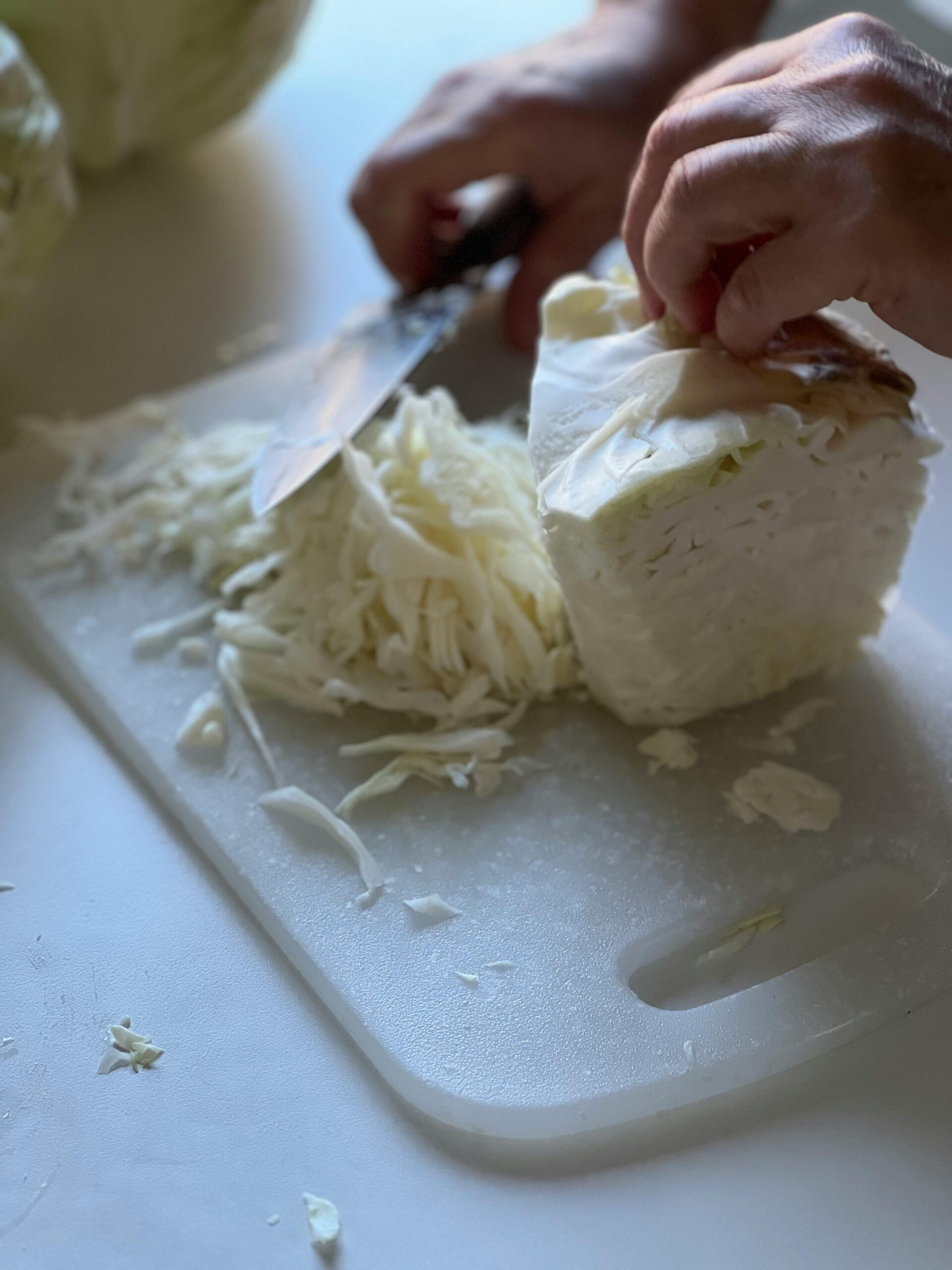
I recently read an article titled “How to Make an Age-Old Superfood for Improved Digestion: Easy to Make at Home, Sauerkraut Supports Gut Health”, and it’s a great reminder of why sauerkraut remains one of my most frequently recommended foods for gut health.
The article does a thoughtful job of connecting traditional food practices with modern digestive concerns, something I see reflected again and again in my work. Bloating, gas, stomach pain, low energy, these are common experiences, and while they’re often dismissed as temporary, they’re frequently signs that the gut could use more consistent support.
As the article outlines, the gut is home to trillions of microorganisms that make up the gut microbiome. These microbes are involved not only in digestion and nutrient absorption, but also immune function and communication with the nervous system through the gut-brain axis.
When this balance is disrupted, the effects can extend far beyond the digestive tract. Fatigue, brain fog, changes in mood, and increased inflammation are all increasingly linked to imbalances in gut bacteria. Because such a large portion of the immune system resides in the gut, digestive health plays a foundational role in how the body responds to stress and inflammation overall.
This is one of the reasons food-based approaches to gut support can be so powerful.
The article highlights cabbage as an ideal candidate for fermentation, and for good reason. Cabbage is naturally high in fibre, which becomes a source of prebiotics once fermented, feeding beneficial gut bacteria. It also contains vitamins C and K, along with vitamin A, all of which support immune function and help regulate inflammation.
Certain varieties, such as red cabbage, are especially nutrient-dense, offering high levels of vitamin C and antioxidants. Cabbage also provides minerals like potassium, magnesium, calcium, iron, and selenium. These nutrients work synergistically, for example, vitamin C enhances iron absorption, supporting energy levels, immune health, and digestion.
Fermentation further enhances these benefits by increasing nutrient availability and creating an acidic environment where beneficial bacteria thrive and harmful microbes struggle to survive.
One of the strengths of the article is its emphasis on simplicity. Sauerkraut requires very few ingredients or tools, yet delivers meaningful digestive benefits. This accessibility is part of why fermented cabbage has been used across cultures for centuries, not only as a preservation method, but as a way to support health through everyday food.
While the article includes a detailed recipe for making sauerkraut at home, the recipe itself isn’t the most important takeaway. The real value lies in understanding why fermented foods like sauerkraut support digestion and how incorporating them regularly can help maintain microbial balance over time.
As the article notes, sauerkraut is best eaten raw if tolerated, so the beneficial bacteria remain intact. Even small, consistent amounts can be supportive. It doesn’t need to be complicated or excessive, a few tablespoons alongside meals is often enough.
What I appreciate most about this piece is that it frames sauerkraut not as a trend or quick fix, but as a practical, traditional food that supports digestion in a steady, long-term way.
Sometimes the most effective tools for gut health aren’t new or flashy. They’re age-old foods, thoughtfully prepared and consistently enjoyed.
Leave a Reply