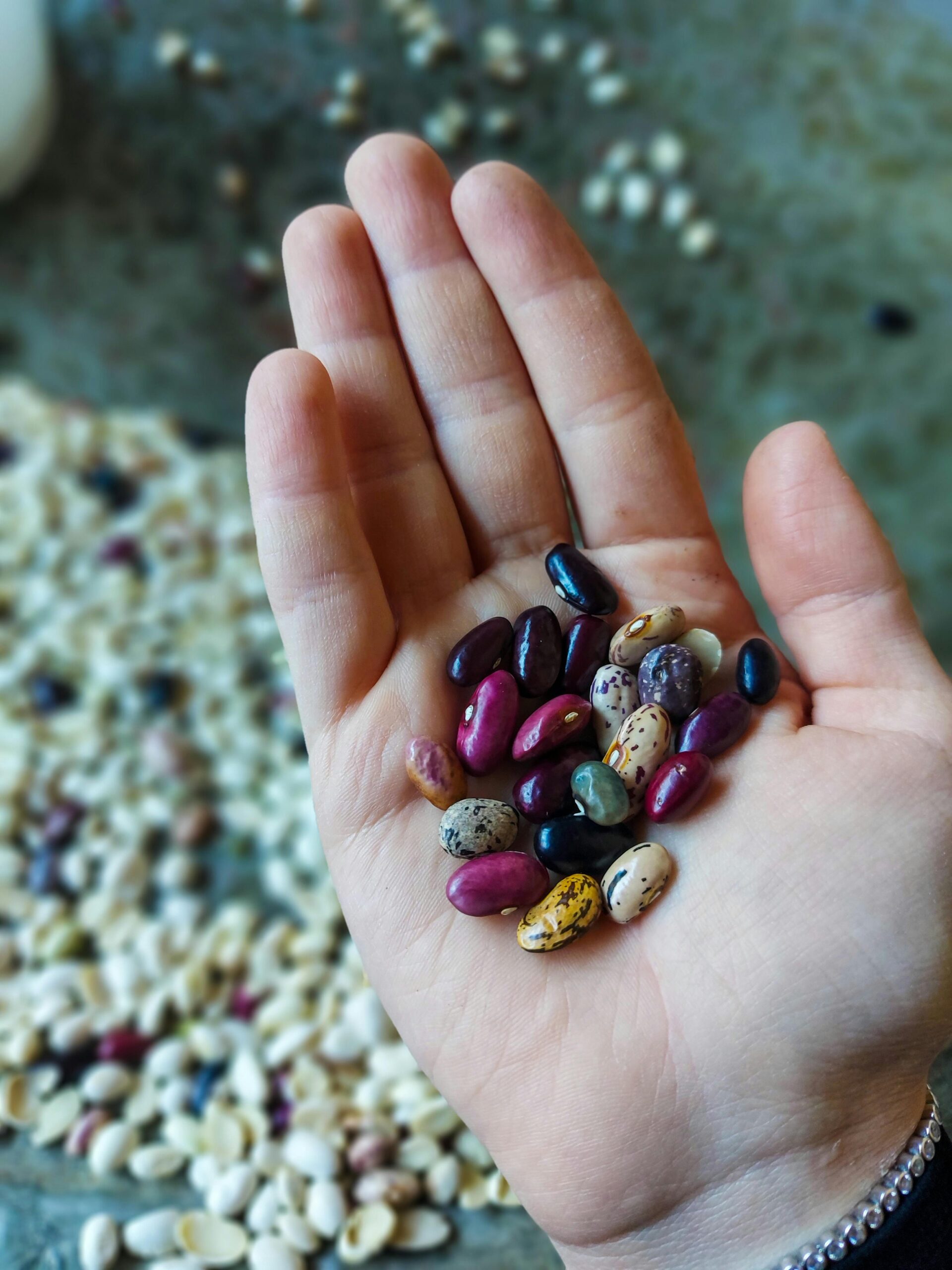
Beans are making a comeback, and it’s about time.
A recent NPR article highlighted the growing popularity of beans as more people look for affordable, nourishing, and satisfying foods. Social media is full of creative bean recipes, heirloom bean clubs have waiting lists, and nutrition experts continue to praise legumes for their impressive health benefits.
While beans may suddenly feel trendy again, they’ve been nourishing people for thousands of years. Across cultures, beans, lentils, chickpeas, and peas have long been valued for being inexpensive, versatile, filling, and deeply nutritious.
Today, as food prices rise and chronic health concerns continue to grow, beans may be one of the simplest foods we can add to our meals to support better health.
Beans are best known for their fibre content, but their benefits go far beyond digestion. They also provide plant-based protein, iron, magnesium, potassium, antioxidants, and slow-digesting carbohydrates that help support steady energy and satiety.
Research continues to show that regularly eating beans may support heart health, healthy cholesterol levels, blood sugar balance, digestive health, and a more diverse gut microbiome.
One of the biggest nutritional gaps in North America is fibre intake, and beans are one of the richest natural sources available. Fibre helps keep us regular, feeds beneficial gut bacteria, supports healthy cholesterol levels, and helps us feel full longer after meals.
Researchers have also found that the fibre in beans helps nourish beneficial microbes in the gut while suppressing less helpful strains associated with disease. In other words, beans don’t just feed us, they also help feed the healthy bacteria in our digestive system.
Beans are also gaining more recognition as a quality protein source. Half a cup of cooked beans provides roughly 7–8 grams of protein along with fibre and nutrients that many processed protein foods lack.
Unlike many convenience foods marketed for protein, beans come in a whole-food package that supports long-lasting energy and fullness. Adding beans to meals can help create balanced dishes without relying entirely on animal proteins.
Historically, bean consumption tends to rise during difficult economic times, and we’re seeing that happen again now.
Beans are one of the most affordable nutrient-dense foods available. A can of beans can provide several servings for less than the cost of many processed snacks, while dry beans are even more economical.
Healthy eating is often portrayed as expensive, but beans are a reminder that some of the most nourishing foods are also among the simplest.
If beans aren’t already a regular part of your diet, start slowly. Because they are high in fibre, increasing intake too quickly can sometimes lead to bloating or gas while your digestive system adjusts.
Rinsing canned beans well, drinking plenty of water, and gradually increasing portions can help. Lentils and split peas are often easier to digest for beginners.
Beans are also incredibly versatile. They work beautifully in soups, salads, grain bowls, tacos, curries, veggie burgers, dips, and stews.
Beans may not be flashy, but they are one of the most powerful foods we can include in a healthy diet. They support gut health, heart health, blood sugar balance, and satiety, all while being affordable, accessible, and sustainable.
Sometimes the foods that have nourished generations still turn out to be exactly what we need today.
Leave a Reply