This month, I’m diving into the connection between longevity and healthspan because living longer is only part of the story. We’re also talking about how nutrition and lifestyle habits can help support feeling well and staying active as we age.
Plus, it’s rhubarb season! I’m sharing a few delicious rhubarb recipes along with some fun facts and nutrition highlights about this vibrant spring favourite.
And if meal planning feels overwhelming, I’ve recently added a selection of plant-based meal plans to my online shop to help make healthy eating simpler and more approachable.
A simple shift can make a big difference in how you feel after you eat.
This month, I’m focusing on mindful eating, what it actually looks like in real life, and how slowing down just a little can support better digestion, reduce discomfort, and help you feel more satisfied with your meals. Along with that, I’m sharing a couple of simple, seasonal recipes to keep things easy and enjoyable in the kitchen.
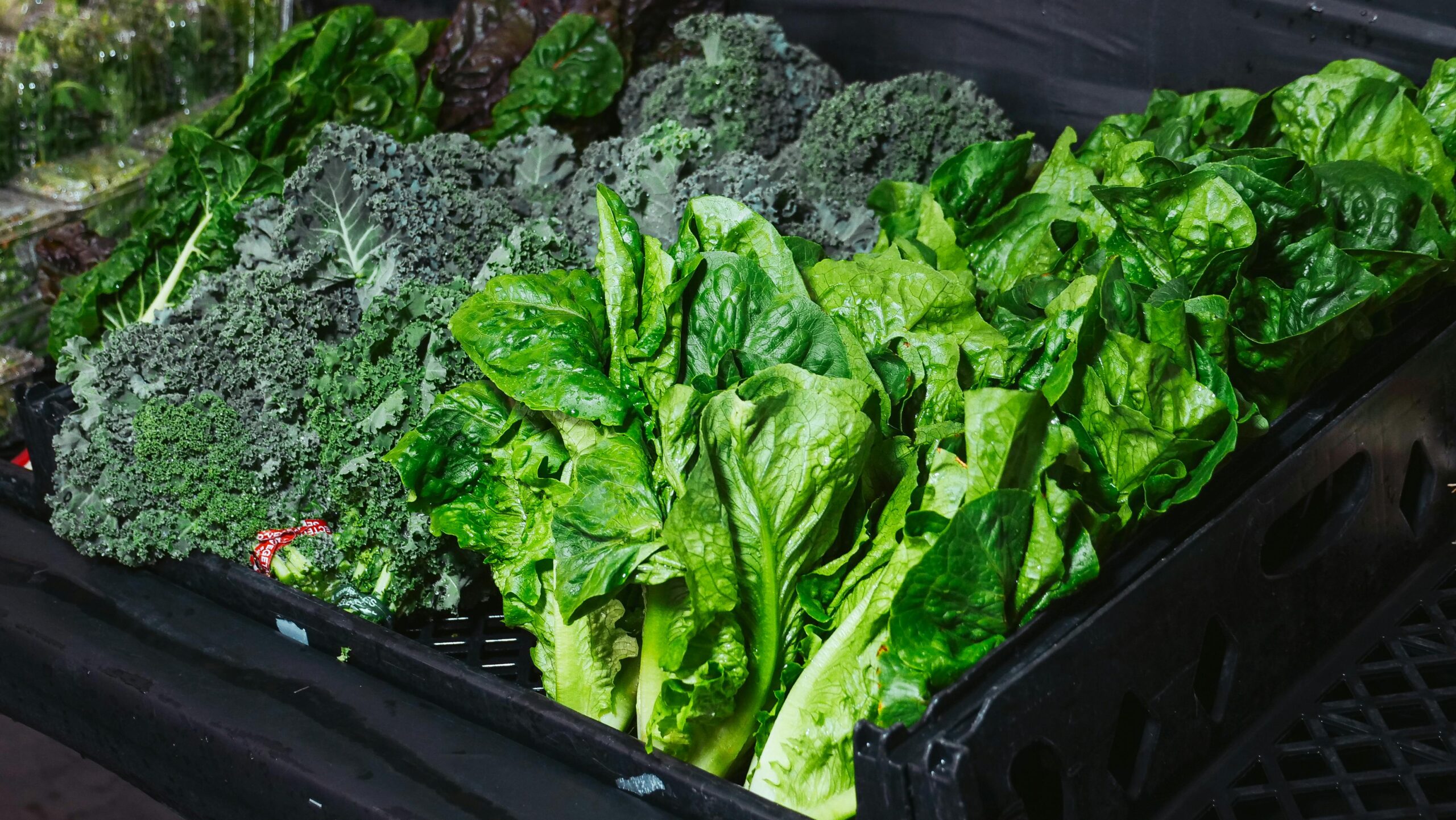
With St. Patrick’s Day around the corner, I’m talking all things green in this month’s newsletter. From simple tricks for getting more nutrients out of your leafy greens (yes, there’s a reason to massage your kale!) to the surprising benefits of microgreens.
Plus there’s a fun alternative to the usual St. Patrick’s Day green drink. Wishing you the luck of the Irish!
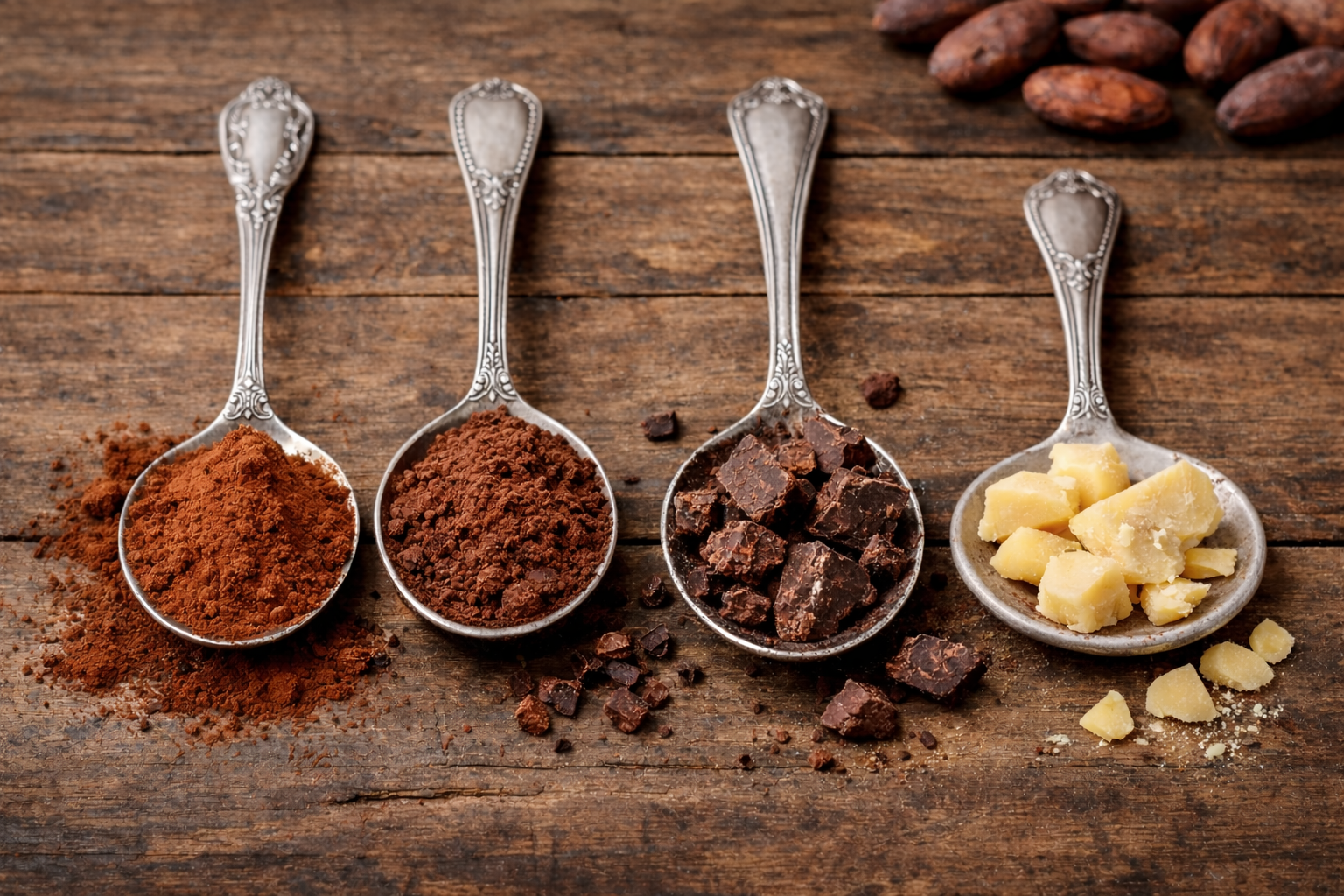
In this month’s newsletter, I’m exploring one of our most loved foods, chocolate, and why it doesn’t have to be off-limits for a healthy, gut-friendly lifestyle. In the featured article, All About Chocolate: A Gut-Friendly Love Story, I share the surprising health benefits of chocolate, explain the difference between cacao and cocoa, and talk about how choosing high-quality chocolate can support both your wellbeing and your enjoyment. It’s all about taking a mindful approach and making room for foods that nourish both body and soul.
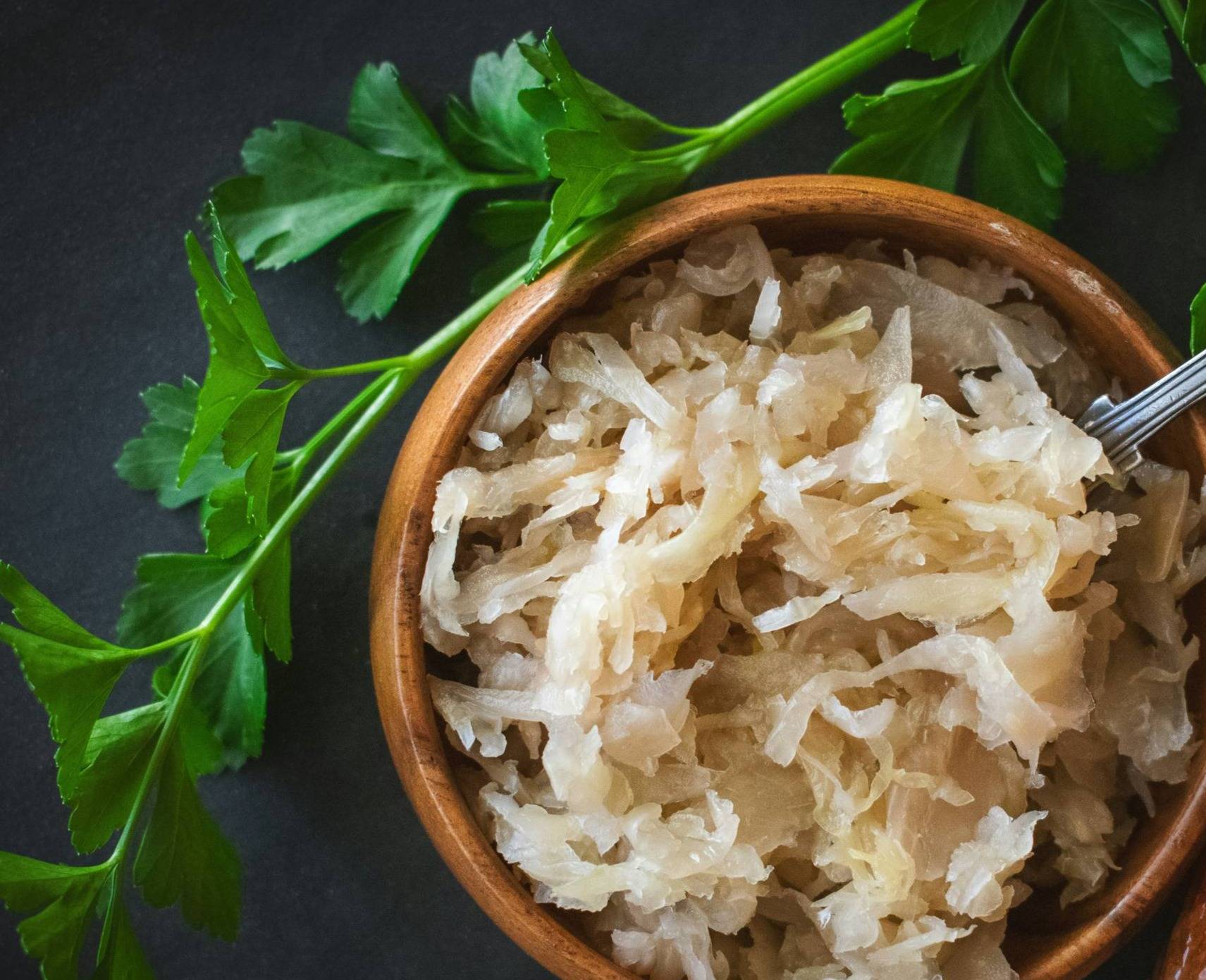
Instead of changing everything at once, what if you started with one small, nourishing habit? In my January newsletter, I share why fermented foods are a gentle place to begin and how even a forkful a day can support your gut.
December can feel like a whirlwind, between celebrations, obligations, and the year-end rush and it’s easy to lose sight of ourselves. In this month’s newsletter, I’m sharing gentle reminders for nourishing your body including some cozy recipes to support you through the season.
This month’s newsletter explores the vital connection between your gut and immune system and how simple, nourishing food choices can help you stay healthy through the changing seasons.
Protein: Superstar or Just Smart Marketing? Probably one of the most common questions I get as a whole-food, plant-based eater is: “But where do you get your protein?” Protein is everywhere in the news these days, it’s a food trend and big business. And sure, we do need enough of it: protein helps build and repair tissues, keeps muscles and bones strong, and supports your immune system.But here’s something that might surprise you: true protein deficiency is almost unheard of in industrialized countries, even for people who don’t eat animal products. Most American adults eat well over the recommended amount and Europeans aren’t far behind. As long as you’re eating enough calories from a variety of whole foods, getting adequate protein is rarely a problem. The real concern is for the millions of people worldwide who don’t have enough food, not those choosing beans over beef.A 2024 survey by the International Food Information Council found that 71% of U.S. consumers wanted more protein in their diet, up from 59% just two years before. That raises a good question: do we truly need more protein to be healthy, or are we being nudged by clever marketing?Before we answer, let’s zoom out for a second. Food isn’t just about protein; it’s thousands of compounds your body breaks down and uses. Broadly, nutrients fall into two groups:
Macronutrients
Micronutrients
Carbohydrates
Fat
Protein
Fibre *
Vitamins
Minerals
Phytochemicals *
Fibre and phytochemicals are not formally classified, but I believe they deserve their own spot in the overview!Carbs break down into sugars, fats into fatty acids, and proteins into amino acids. Vitamins, minerals, and phytochemicals don’t give you energy directly, but they’re essential for everything from immunity to metabolism.Back to protein. It’s made up of 21 amino acids. Your body can make 12, but the other 9 (the “essential” ones) have to come from food. Complete proteins contain all nine in the right amounts. Many animal foods fit this bill, but so do some plants, like soy, quinoa, amaranth, buckwheat, and hemp seeds. And even if a plant food is “incomplete,” your body is smart enough to combine amino acids from different meals throughout the day, no need for complicated food pairing charts.
Interesting fact: unlike carbs and fat, your body doesn’t store amino acids for later, so you need a steady supply from food every day.
When people think of protein, they often picture steak, chicken, fish, eggs, or dairy. These are dense sources and contain all the essential amino acids in proportions similar to our needs, that’s why they’re sometimes called “high quality.”
Plant foods can deliver the same building blocks, just in slightly different ratios. Beans, lentils, tofu, tempeh, edamame, peas, whole grains, nuts, and seeds are all good sources. And a few plants, like soy, quinoa, and hemp seeds, are complete proteins all on their own.
The cool thing about plant protein is the company it keeps: fibre, antioxidants, and phytochemicals that protect your heart and help reduce inflammation. They’re also naturally lower in saturated fat. That doesn’t make animal protein “bad,” but large amounts of red or processed meat have been linked with higher risks for certain chronic diseases, so balance is key.
Protein is important, no argument here, but the bigger picture matters, too. Instead of stressing over grams or chasing the latest “high-protein” snack, focus on eating a variety of whole, minimally processed foods. Beans, lentils, tofu, nuts, seeds, veggies, and whole grains can easily meet your needs. Aim for a colourful plate and let protein take its natural place as one piece of the nutrition puzzle, not the whole story.
So remember: If you’re eating enough food so you don’t lose weight and eating a variety of whole foods, it’s not hard to consume enough protein.
Be well,
Peggy
As we slide into fall and harvest season, this cozy butternut & tofu sheet pan dinner makes the most of local stars like squash, peppers, and tomatoes. It’s a rainbow of colour and flavour, perfect for an easy weeknight meal (and even better the next day!).
For a creamy finish, spoon my quick Tahini–Lime Drizzle over the roasted veggies and tofu. Its bright, nutty flavour plays perfectly with the chipotle – maple glaze.Tahini-Lime Dressing
Book Review: Gut-Brain Paradox by Steven GundryNot every book with a shiny cover and big-name endorsements is worth your reading time or your trust. When I picked up The Gut-Brain Paradox, it looked promising, but I quickly learned that the author’s nutrition advice isn’t well respected. I did some digging so you don’t have to, and I’m sharing what I found to save you the trouble. Give this book a pass.
Bits & Bites:Thai Inspired Cooking Class: My next cooking class through Panorama Rec is on Tuesday, October 21. We’ll be making a chickpea curry, a classic pad Thai and a velvety rice pudding. All recipes are gluten-free and whole-food plant-based. I’d love your help sharing this with anyone who might enjoy it. After my last class didn’t run due to low sign-ups, I’m especially excited to see this one take off.
New & Improved Recipes! I’ve given my recipe section a little makeover. From now on, each recipe is easier on the eyes and on your printer plus you can leave a review, ask a question or share a comment right on the page. I’d love to hear what you try and how it turns out. Let’s get some conversations going!
Fuelling My Knowledge: I’m thrilled to share that I was awarded a full scholarship for the T. Colin Campbell Center for Nutrition Studies’
Food & Sustainabilitycertificate program. I’m so grateful for the opportunity to deepen my knowledge about how our food choices impact personal and planetary health and I can’t wait to bring what I learn back to you!
Think electrolytes are just for athletes? Think again! Your body relies on them every day and summer heat makes them even more important. Dive into my August newsletter for tips, a zucchini recipe, a book review, and more.