
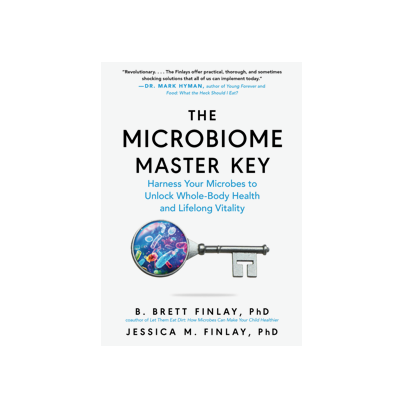
The Microbiome Master Key by B. Brett Finlay and Jessica M. Finlay is, without question, the most comprehensive book on the human microbiome that I have read. While most people are familiar with the concept of the gut microbiome, and if you’ve been following my work, you’ll also have heard me talk about the oral microbiome, this book goes far beyond those commonly discussed areas.
In addition to dedicated chapters on the gut and oral microbiomes, the authors present current research on a wide range of lesser-known but equally important microbial ecosystems. These include the skin microbiome; the microbiomes of the heart and brain; the lung microbiome; and the microbiome of the urogenital tract. There are also fascinating chapters exploring the relationship between microbes and the musculoskeletal system, microbes and cancer, the impact of sleep on the microbiome, and a chapter examining COVID-19 through a microbiome lens. The book also challenges the common perception that environmental microbes are inherently dangerous, highlighting instead their often-protective and beneficial roles in human health.
One feature I particularly appreciated is the “Key Tips” section at the end of every chapter. While much of the book is highly technical and may not appeal to a general audience, these summaries distill complex research into practical, actionable insights. Even readers who choose to skim the technical sections would still gain value from these key takeaways alone.
The final chapter brings everything together by outlining practical steps to support microbial health and longevity. The authors emphasize that humans live in constant partnership with their microbes, and that lifestyle choices should consider not only our own needs, but those of our microbial communities as well. Key themes include:
- Nutrition: A diet rich in diverse, fibre-containing plant foods helps nourish a resilient and diverse microbiome. Minimally processed, plant-forward eating patterns are consistently associated with better microbial balance.
- Movement: Regular physical activity supports microbial diversity and overall metabolic health. The focus is on staying active in sustainable, enjoyable ways rather than rigid exercise prescriptions.
- Social connection: Strong social bonds with family, friends, and community are increasingly recognized as important for both mental health and microbial health, likely through their effects on stress, immunity, and behaviour.
- Stress management: Chronic stress can negatively alter the microbiome. Practices that reduce stress, such as time in nature, mindfulness, or simply adequate rest, play an important role in microbial resilience.
- Sleep: Consistent, high-quality sleep supports circadian rhythms that influence microbial function. Prioritizing restful sleep is a foundational, yet often overlooked, aspect of microbiome health.
This is not a book I would recommend to everyone. However, for those who are curious, scientifically inclined, or interested in learning more about a specific microbiome, such as the lungs or skin, it’s an excellent resource. Even reading select chapters can deepen one’s understanding of how profoundly interconnected our microbes are with every aspect of human health.
Leave a Reply