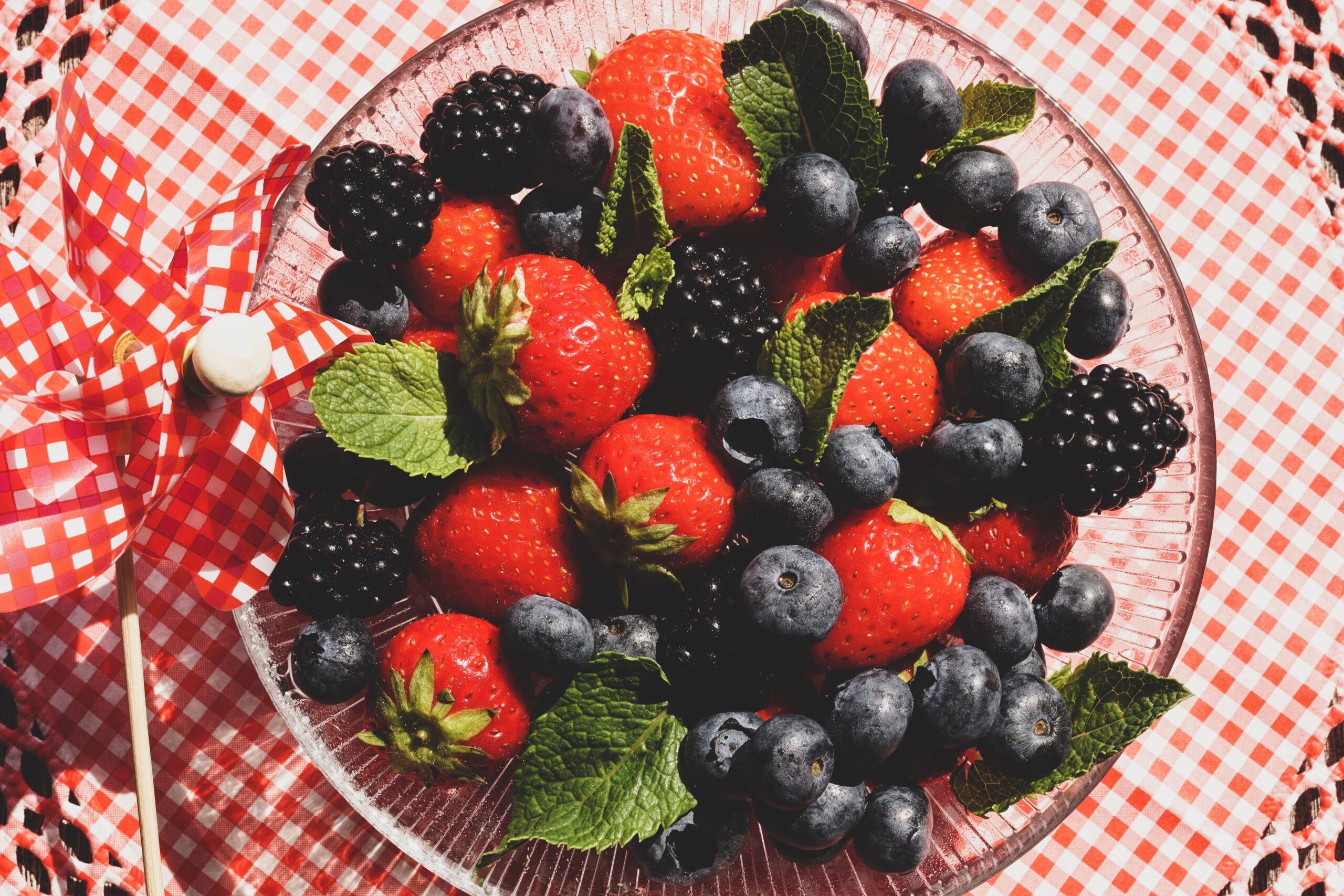
July is berry season, and I couldn’t be happier! This month’s newsletter celebrates these colourful little nutritional powerhouses, shares the unique benefits of different berry varieties, and includes my new Berry Breakfast Muffins recipe. I hope it inspires you to enjoy every delicious bite of summer.
Author: Peggy
-
Basic Muffins + Variations
Basic Muffins + Variations
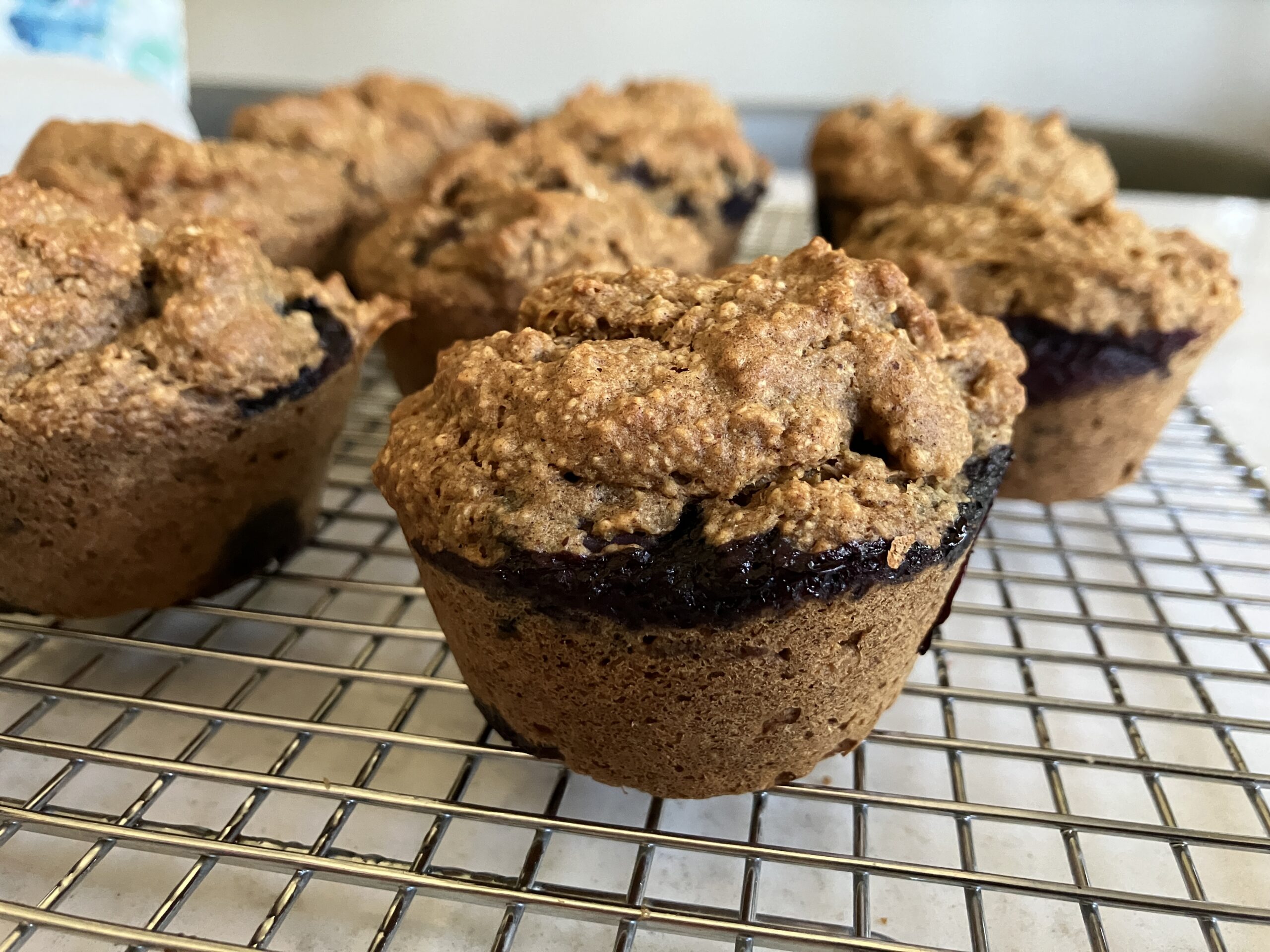
Muffins are one of those recipes that are endlessly versatile, perfect for breakfast, snacks, or whenever you want a wholesome homemade treat. This simple base recipe creates tender, delicious muffins using everyday plant-based ingredients, with silken tofu adding moisture and a boost of plant-based protein while keeping the texture light and soft.Naturally sweetened with dates, these muffins are a great alternative to many traditional muffin recipes that rely on refined sugars. The best part is that this recipe can easily be customized with your favourite flavours and seasonal ingredients. Try blueberry lemon in the summer, apple cinnamon in the fall, or chocolate chip peanut butter when you’re craving something a little more indulgent.Make a full batch of one flavour or divide the batter to create a few different varieties at once. These gluten-free, vegan muffins are a delicious way to enjoy a nourishing homemade snack that the whole family can enjoyServings 12Ingredients
- 1 1/2 cups oat flour
- ½ cup quinoa flakes or rolled oats
- 2 tsp baking powder
- 1 tsp baking soda
- 1 tsp cinnamon optional
- 400 g silken tofu
- ⅔ cup date paste
- ⅓ cup nut or seed butter
- 1 tsp vanilla extract
- 2 –4 Tbsp plant milk only if batter is too thick
Instructions
- Preheat the oven to 350°F (175°C). Line or lightly grease a 12-cup muffin tin.
- In a large bowl, whisk together the oat flour, quinoa flakes, baking powder, baking soda, and cinnamon, if using.
- In a blender or food processor, blend the silken tofu until completely smooth. Add the date paste, nut or seed butter, and vanilla. Blend until creamy.
- Pour the wet ingredients into the dry ingredients and stir just until combined. Avoid overmixing. If the batter seems too thick, stir in 2–4 tablespoons of plant milk until it reaches a thick, scoopable consistency.
- Gently fold in your chosen add-ins (see variations below).
- Divide the batter evenly among the muffin cups, filling each about three-quarters full.
- Bake for 24–26 minutes, or until the tops are lightly golden and a toothpick inserted into the centre comes out clean.
- Let the muffins cool in the pan for 10 minutes before transferring them to a wire rack to cool completely.
Notes
Variation Pack Blueberry Lemon Fold in 1 cup blueberries (tossed with a little oat flour to help prevent sinking).
Add 1 tbsp lemon zest. Carrot Cake Style Fold in ¾ cup grated carrot.
Add ¼ cup raisins.
Add ¼ cup chopped walnuts or pecans.
Stir in ½ tsp ground ginger and ¼ tsp ground nutmeg. Chocolate Chip Peanut Butter Fold in ½–¾ cup dark chocolate chips.
Swirl about 1 tbsp peanut butter over the top of each muffin before baking. Apple Cinnamon Crunch Fold in 1 cup finely chopped apple.
Sprinkle the tops with rolled oats, a pinch of cinnamon, and a light drizzle of maple syrup before baking. Lemon Poppy Seed Stir 1 tbsp poppy seeds into the dry ingredients.
Add 1 tbsp lemon zest to the wet ingredients.
If using plant milk, replace 2-3 tbsp with fresh lemon juice for a brighter lemon flavour. Tip: Divide the batter in half to make two different flavours from one batch! Why silken tofu? Silken tofu keeps these muffins incredibly moist while adding plant-based protein. Once baked, you won’t taste the tofu, it simply creates a tender, fluffy texture. Quinoa flake substitute Quinoa flakes add a little extra nutrition and a soft, tender texture to these muffins. If you don’t have quinoa flakes, you can substitute ½ cup rolled oats. For a slightly different texture, you can also use ½ cup additional oat flour. Sweetener note Date paste is my preferred sweetener for these muffins because it adds natural sweetness along with fibre and nutrients. If you don’t have date paste on hand, you can substitute ½ cup maple syrup instead. Since maple syrup adds more liquid to the batter, the muffins may need a few extra minutes of baking time. Check for doneness by inserting a toothpick into the centre, it should come out clean. Make them nut-free Swap the nut butter for sunflower seed butter or tahini to make the recipe completely nut-free. Customize your muffins This recipe is designed to be a versatile base. Try adding fresh or frozen fruit, chopped nuts, seeds, dried fruit, or warming spices to create your own favourite combination. Serving suggestions These muffins are delicious on their own, but they’re also great with a spread of nut or seed butter, a dollop of unsweetened yogurt, or alongside fresh fruit for a satisfying breakfast or snack. Storage Store the muffins in an airtight container at room temperature for up to 2 days or in the refrigerator for up to 5 days. They also freeze well for up to 3 months. Thaw overnight in the refrigerator or warm gently before serving. -
The Science of Fermented Foods: What the Latest Research Tells Us
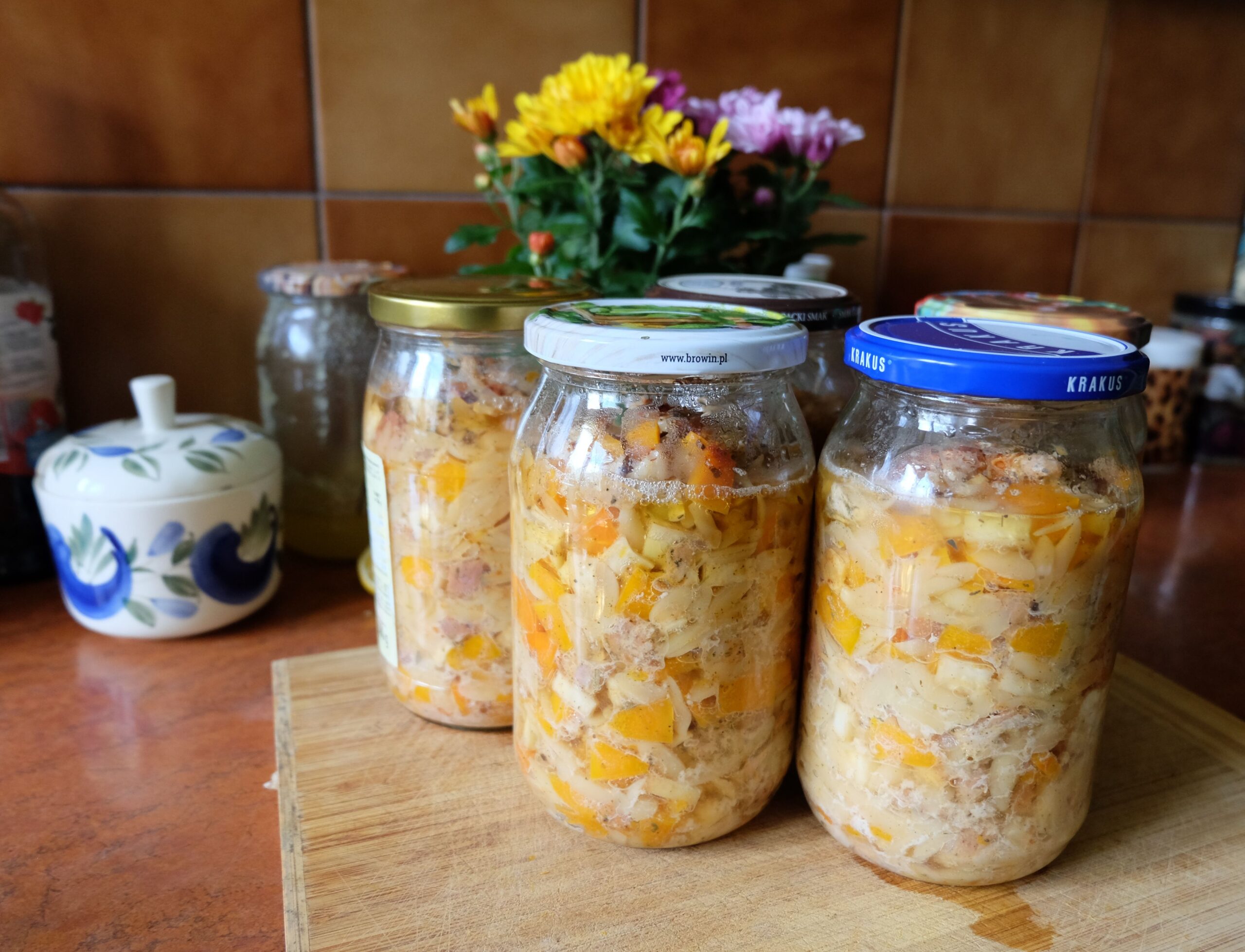
A recent New York Times article, The Science of Fermented Foods, explores what researchers have learned about these ancient foods and their role in supporting our health. As someone who regularly recommends fermented foods to clients, especially those looking to support their gut health, I was pleased to see the growing body of research highlighted.
While fermented foods aren’t a magic bullet, the science continues to show they can be a nutritious addition to a healthy diet, particularly when paired with plenty of fibre-rich whole plant foods.
What Are Fermented Foods?
Fermented foods are created when beneficial microorganisms, such as bacteria and yeast, transform food through a natural fermentation process. This not only helps preserve food but also creates the tangy, complex flavours found in foods like:
- Sauerkraut
- Kimchi
- Yogurt
- Kefir
- Miso
- Tempeh
- Natto
- Sourdough bread
- Kombucha
- Apple cider vinegar
Humans have been fermenting foods for thousands of years. Long before refrigeration, fermentation was one of the safest ways to preserve seasonal harvests while enhancing flavour and, as we’re learning today, potentially improving nutrition.
What Does the Research Show?
The New York Times article highlights one of the most exciting studies in recent years. Researchers at Stanford University asked one group of participants to eat a diet rich in fermented foods while another group increased their fibre intake. After 10 weeks, those eating fermented foods showed greater diversity in their gut microbiome and significantly lower levels of several inflammatory markers.
A diverse gut microbiome is generally associated with better digestive health, stronger immune function, and a lower risk of chronic disease. Lower levels of chronic inflammation are also linked to improved long-term health.
The article also summarizes research linking fermented foods with:
- Reduced risk of type 2 diabetes
- Better blood sugar control
- Lower blood pressure
- Healthier body weight
- Fewer symptoms of irritable bowel syndrome (IBS)
- Lower rates of eczema in some populations
It’s important to remember that much of this research shows associations rather than proving cause and effect. Even so, the findings are encouraging and continue to build a compelling case for including fermented foods as part of an overall healthy eating pattern.
Why Fermentation Matters
Many fermented foods are already nutritious before fermentation begins. Yogurt and kefir provide protein and calcium, while fermented vegetables like sauerkraut and kimchi contribute vitamins, minerals, and fibre.
The fermentation process itself adds another layer of potential benefits.
Beneficial microbes partially break down foods, making them easier to digest for some people. Fermentation can also improve the absorption of minerals such as calcium, iron, magnesium, and zinc while producing certain B vitamins and vitamin K.
Researchers are also studying compounds produced during fermentation that may help regulate blood sugar, reduce inflammation, support immune function, and promote fullness. While much of this work is still emerging, it’s an exciting area of nutrition research.
Fermented Foods and Gut Health
One of the reasons I recommend fermented foods so often is their potential to support a healthy gut microbiome.
Although the beneficial bacteria found in fermented foods don’t necessarily become permanent residents in our digestive tract, they can interact with our existing gut microbes and help support a healthy microbial ecosystem.
That said, fermented foods work best alongside another gut-health superstar: dietary fibre.
The beneficial bacteria living in our gut need fibre to thrive. Eating plenty of vegetables, fruit, legumes, whole grains, nuts, and seeds provides the fuel those microbes need, while fermented foods may introduce additional beneficial bacteria and beneficial compounds created during fermentation.
Rather than thinking of fermented foods as a replacement for fibre, think of them as partners.
My Favourite Fermented Food
If you’ve followed me for a while, you’ve probably noticed that I’m a big fan of sauerkraut.
I enjoy one or two tablespoons most days, usually alongside a salad, grain bowl, or dinner. It’s a simple way to add flavour while incorporating fermented foods into everyday meals.
I also like rotating different fermented vegetables whenever possible. Different vegetables and different fermentation cultures can contribute different microbial profiles, so variety is always a good idea.
If you’d like to make your own, I’ve shared my homemade sauerkraut recipe here on the website. It’s surprisingly easy to make and much more economical than buying it at the grocery store.
A Few Things to Keep in Mind
Fermented foods aren’t suitable for everyone.
Some people are sensitive to histamines and may experience headaches, flushing, hives, or digestive symptoms after eating certain fermented foods. Others may need to watch their sodium intake, since foods like sauerkraut, kimchi, miso, and soy sauce can contain significant amounts of salt.
If you have a severely weakened immune system, it’s worth discussing fermented foods containing live cultures with your healthcare provider before adding them regularly.
The Bottom Line
The New York Times article concludes that we now have enough evidence to support including more fermented foods in our diets, and I agree.
While researchers are still uncovering exactly how fermented foods influence our health, the current evidence suggests they can support a healthy gut microbiome, contribute valuable nutrients, and may help reduce inflammation when enjoyed as part of a balanced diet.
You don’t need large amounts to reap the potential benefits. Start by adding a spoonful of sauerkraut to your lunch, stirring miso into soup, enjoying yogurt or kefir with breakfast, or trying tempeh in your next stir-fry.
As always, remember that gut health isn’t built by one food alone. A diet rich in whole plant foods, plenty of fibre, and a variety of fermented foods is a combination that gives your gut microbes plenty to celebrate.
-

Cooking Class: Cookies
Tuesday, November 18 from 6:30-9:00 pm
North Saanich Middle School Foods Room
I’m so excited to be teaching three cooking classes this fall with Panorama Recreation! Whether you’re looking for new recipe inspiration, tips for eating well, or just a fun night out in the kitchen, these classes are a great way to build confidence and spark creativity in your cooking. Register through Panorama Rec.
“I feel so fortunate to have been part of your cooking class last night! I love your passion for good nutrition and the impact WFPB eating in particular can have on overall health. Your stories were inspiring and added to your knowledgeable explanations of the recipes and the benefits of various ingredients. I learned a lot from the tips and tricks you shared that make your food prep ultra efficient. All the food was delicious! I can hardly wait to try the recipes myself and am looking forward to future classes!” ~ Christina

-

Is Your Gut Helping or Hindering Your Immunity? – October 2025 News
This month’s newsletter explores the vital connection between your gut and immune system and how simple, nourishing food choices can help you stay healthy through the changing seasons.
-

Thai It Up!
Explore the vibrant flavours of whole-food plant-based Thai cooking! In this hands-on class, make Thai Curry with Chickpeas, Pad Thai, and creamy Rice Pudding, all gluten-free and made from whole foods. Perfect for beginners. Come hungry and leave inspired!
Tuesday, October 21, 2026 6:00-9:00 pm
North Saanich Middle School – Foods Room
“I feel so fortunate to have been part of your cooking class last night! I love your passion for good nutrition and the impact WFPB eating in particular can have on overall health. Your stories were inspiring and added to your knowledgeable explanations of the recipes and the benefits of various ingredients. I learned a lot from the tips and tricks you shared that make your food prep ultra efficient. All the food was delicious! I can hardly wait to try the recipes myself and am looking forward to future classes!” ~ Christina
-

Plant the Seeds of Wellness
How Whole-Food, Plant-Based Nutrition and Hypnosis Work Together
To Help You Thrive After 50.Imagine if every bite you took, and every thought you thought, worked together to heal your body.
This empowering 2-part workshop combines science-backed plant-based nutrition with the power of hypnosis to help you create real, lasting wellness from the inside out.
Together, Peggy White, Holistic Nutritionist and founder of Gut Healthy, and Leesa Poffenroth, CHt, Certified Hypnotherapist and founder of Soul Synchrony Hypnosis, will guide you through a unique experience that bridges mind, body, and spirit.
In this live session, you’ll: Learn how plant-based nutrition can reduce inflammation, balance hormones, and support graceful aging
 Experience a guided hypnosis session that helps you reprogram cravings, boost motivation, and connect to your vision of lifelong vitality
 Future-pace your transformation—so healthy choices feel automatic, natural, and joyful
Nourish your body. Reprogram your mind. Redefine what’s possible. -

Pressure Cooker Squash & Pear Soup
Pressure Cooker Squash & Pear Soup
This cozy, golden-hued soup is pure comfort in a bowl, simple, nourishing, and gently sweet from the addition of pear. The butternut squash brings a velvety texture and a dose of beta-carotene, while sage and garlic add depth and warmth. It’s a beautiful way to celebrate autumn produce and makes a quick, satisfying meal that feels both grounding and light.Servings 4Ingredients
- 4 cups Butternut Squash peeled, chopped
- 3 Garlic cloves
- 2 Pear peeled, seeds removed, roughly chopped
- 1 Carrot chopped
- 1 Yellow Onion chopped
- 1 tsp Ground Turmeric or 1 tbsp fresh, grated
- 1 tbsp Fresh Sage optional
- 1/2 tsp Sea Salt optional
- 2 cups Vegetable Broth plus more if needed
Instructions
- Add all of the ingredients to the pressure cooker and close the lid.
- Set to “sealing”, then press manual/pressure cooker and cook for 10 minutes on high pressure. Once it is done, release the pressure manually. Remove the lid carefully and let the soup mixture cool slightly.
- Using a hand blender, puree the soup until smooth. Add additional broth if needed until the desired consistency is reached.
- Divide between bowls and enjoy!
Notes
- Squash variations: While butternut squash is classic for this soup, feel free to use other winter squash like kabocha, delicata, or acorn. Each will bring its own subtle sweetness and texture, just adjust the cooking time slightly if your squash is particularly dense.
- Flavour balance: The pear adds gentle sweetness that complements the earthy squash. For a little extra brightness, stir in a splash of lemon juice or apple cider vinegar before serving.
- Pear: Bosc pears were used for this recipe. Firm, not overly ripe, pears yield the best results.
- Texture: If you prefer a creamier soup, blend in a few tablespoons of coconut milk or a small cooked potato before pureeing.
- Herb options: Sage gives a lovely autumn aroma, but you could also try thyme, rosemary, or a bit of ginger for a warmer, spicier note.
- Consistency check: Start with the listed 2 cups of broth, then thin with more as needed after blending, the soup will thicken slightly as it cools.
- No Hand Blender: Use a blender or food processor instead.
-
Serving ideas:
- Garnish with pumpkin seeds or a sprinkle of smoked paprika, fresh ground black pepper or red pepper flakes.
- Pair with crusty whole grain bread or a light green salad for a balanced meal.
- Storage: Keeps well in the fridge for up to 4 days or freeze in portions for up to 3 months. Reheat gently and add a little water or broth if it thickens too much.
- Make it on the stovetop: If you don’t have a pressure cooker, simmer everything in a covered pot for 25–30 minutes, or until the vegetables are very tender, then blend.
-

Apple & Beet Quinoa Salad
Apple & Beet Quinoa Salad
Sweet apple, tangy citrus, and hearty quinoa come together with vibrant beets and kale for a refreshing, nutrient-packed dish that’s as good for your gut as it is for your taste buds. It’s perfect as a light meal, a make-ahead lunch, or a colourful side to share.Servings 4Ingredients
- 1 cup Kale Leaves chopped
- 1 tbsp Lemon Juice
- 1 cup Quinoa cooked
- 1 Apple julienned
- 2 Beet small, peeled, julienned
- 2 Carrot small, julienned
- 1/3 cup Dried Cranberries chopped
- 1/4 cup Orange Juice
- 2 tbsps Apple Cider Vinegar
- 1 tbsp Dijon Mustard
- 2 tbsps Hemp Seeds
- Sea Salt & Black Pepper optional
Instructions
- Cook the quinoa (if not already cooked) according to package directions. Once done, set aside to cool.
- Prepare the kale: Place the chopped kale in a large salad bowl and add the lemon juice. Massage with your hands for 1–2 minutes, until the leaves darken and soften slightly.
- Make the dressing: In a small bowl, whisk together the orange juice, apple cider vinegar, and Dijon mustard until smooth.
- Assemble the salad: Add the cooled quinoa, apple, beets, carrots, cranberries, and hemp seeds to the bowl with the kale.
- Dress and season: Pour the dressing over the salad and toss until everything is well combined. Season with sea salt and black pepper to taste.
Notes
Time-saver Use leftover quinoa to make this salad come together quickly. Serving idea Great as a light lunch or side dish alongside a hearty soup or roasted vegetables. Optional add-ins Try adding chopped parsley, fresh mint, chopped green onions, or a handful of pumpkin seeds for extra texture and flavour. Substitutions Swap hemp seeds for sunflower seeds, and use maple syrup in the dressing if you prefer a hint of sweetness. Storage This salad keeps well in the fridge for up to 4 days. The flavours deepen as it sits, perfect for a make ahead meal. -

Book Review: The How Not to Age Cookbook by Michael Greger
If you’ve been following me for a while, you’ll know I love anything by Michael Greger, including his nonprofit site, NutritionFacts.org. So I was especially excited to get my hands on his latest release, The How Not to Age Cookbook, and I wasn’t disappointed. It’s always wonderful to have another whole-food, plant-based cookbook on the shelf. These kinds of books take so much of the thought and guesswork out of preparing WFPB meals.
The introduction is brief but packed with helpful information. I especially appreciated the “Asked and Answered” section, which covers just ten questions but they’re some of the most common ones Dr. Greger receives. My favourite? “Raw, Roasted, or Toasted [nuts]?” A few years ago, I researched this question myself and found it tricky to pin down. Now, here it is explained clearly in print. (The answer: raw.)
The recipes themselves make meal planning simple and approachable. There’s a wide range of options, from breakfasts and snacks to mains, organized into categories like burgers, pastas, beans, grains, and sweet treats. The photos are gorgeous, and the recipes are well laid out. My current favourite is Umami Sauce 2.0, since I’ve been looking for a tasty alternative to soy sauce on my veggies. A close second is the Blueberry Chia Pie, not only delicious, but visually stunning!
If you’re looking to dive deeper into whole-food, plant-based cooking or simply expand your WFPB cookbook collection, I highly recommend this one.

