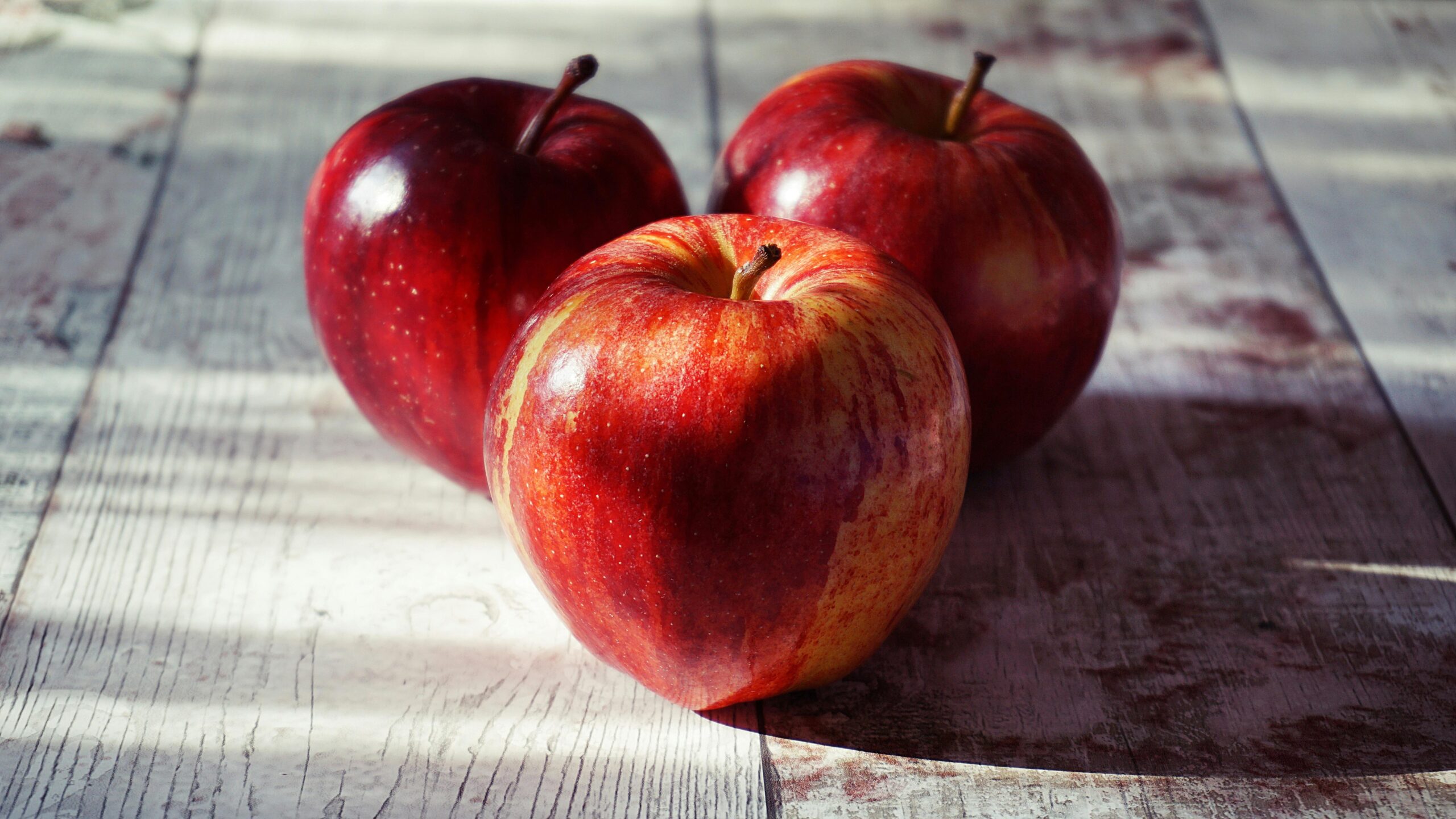
This is a great article highlighting the many health benefits of apples. They help protect against stroke, feed beneficial gut bacteria, and lower the risk of type 2 diabetes, just a few more reasons to enjoy this seasonal classic. With apple season in full swing, it’s the perfect time to bite into their crisp sweetness or add them to your favourite fall recipes.
Among other things, this article also includes some fun facts like how apples float in water because they’re made up of about 25% air, and that the only apple native to North America is the crabapple, which may be tart raw but turns delicious in jams, jellies, and cider.
So go ahead, enjoy an apple (or two) a day. Your body will thank you!
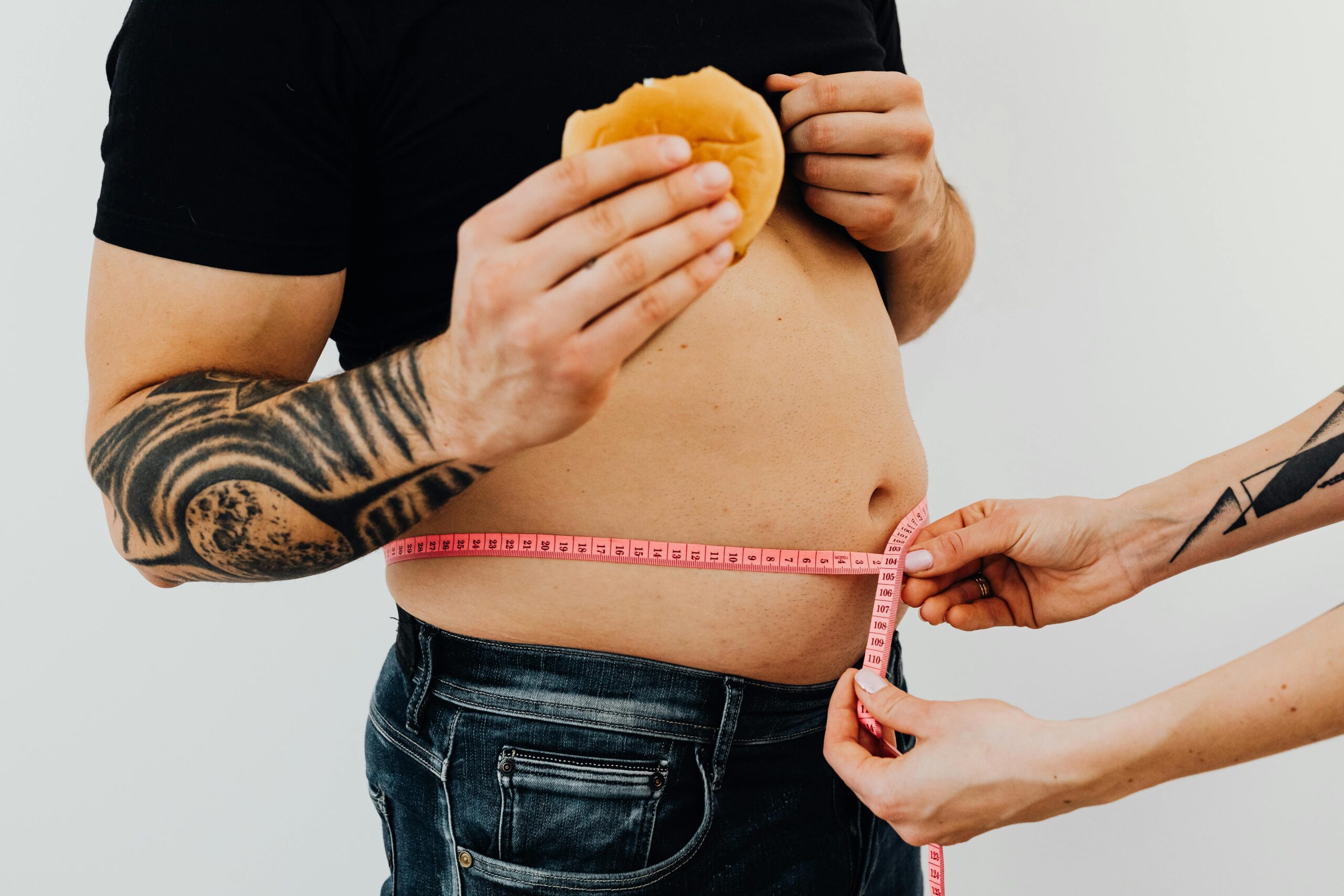
If you’ve ever blamed yourself for overeating or are struggling with weight, you’re not alone. But according to nutrition scientist Dr. Kevin Hall, the problem isn’t personal weakness, it’s the food environment we all live in.
Hall, who was a leading researcher at the National Institutes of Health until April when he retired after denouncing censorship of his research, has run some of the most rigorous clinical trials in nutrition science. His studies found that when people were given ultraprocessed foods, the packaged, engineered products that now make up more than half of the average American diet, they ate hundreds to over a thousand extra calories per day compared to when they ate meals made from whole foods.
Why? These foods are designed to be both energy-dense (lots of calories in a small portion) and hyperpalatable (that irresistible mix of sugar, salt, and fat that keeps you coming back for more). In other words: it’s not about willpower. These foods override the body’s natural hunger and fullness signals in ways we’re only beginning to understand.
A few decades ago, “junk food” was an occasional indulgence, like a slice of Grandma’s pie. Today, highly processed treats are cheap, available everywhere, and heavily marketed, even to kids. That constant exposure makes it almost impossible to avoid overeating.
Hall stresses that some ultraprocessed foods can still support a healthier diet, think premade sauces, frozen vegetables, or ready-to-eat meals lower in added sugar, salt, and saturated fat. The key is to use these convenient foods to help build meals centered on whole grains, vegetables, fruits, and legumes.
The bottom line? Overeating isn’t a personal failing, it’s a predictable response to a food environment designed to push us toward cheap, calorie-dense, addictive foods. While individuals can make strategic choices, real change will require reshaping the food system so that nourishing options are the easy, affordable default.
Made these beauties today, and I couldn’t be more excited! They’re WFPB and gluten-free. The dough is a buckwheat–sorghum sourdough base, and the filling is a cozy mix of apples, mulberries, and a touch of maple syrup. I also added a thin layer of almond butter on the rolled out dough before spreading on the apple-cinnamon mixture, it makes the buns extra gooey and satisfying.I’ve been working toward a tasty GF, WFPB cinnamon bun for years, and this recipe finally delivers. The best part? This filling will work beautifully with any cinnamon bun dough you like, not just sourdough or GF.
Ingredients
2cupspeeled, finely chopped apples
¼cupdried mulberries
2tablespoonsmaple syrup
3tablespoonswater
1tablespoonarrowroot flour
2teaspoonsground cinnamonI used 1 tsp of cassia, 1 tsp Ceylon
3tablespoonalmond butter
Instructions
In a medium saucepan combine the apples, mulberries, maple syrup, and 2 tablespoons of the water. Bring to a boil, reduce heat, cover and cook for about 5 minutes, stirring occasionally, until the apples are softened and beginning to break down.
Remove the lid and stir in the arrowroot flour, cinnamon, and 1 tablespoon of water. Cook and stir for 1 minute more, until slightly thickened. Remove from heat and let cool slightly.
To assemble the buns, spread the almond butter evenly over the rolled out dough. Spoon the cooled apple mixture on top and spread evenly. Roll up dough, let rise and bake as directed.
(Optional: About 5 minutes before the buns are finished baking, remove them from the oven and brush with an additional 1 tablespoon of maple syrup. Return to the oven to set the glaze.)
Notes
Apple texture: After about 5 minutes of cooking, the apples should be soft and beginning to break down. If you prefer chunkier filling, reduce the cooking time slightly. Mulberry swap: Dried mulberries add natural sweetness and a caramel-like flavour, but raisins, currants, or chopped dates also work well. Nut-free option: If you’d like to keep this recipe nut-free, swap the almond butter for sunflower seed butter or simply skip this step. Sweetness level: The filling is lightly sweetened. For a sweeter bun, add an extra tablespoon of maple syrup or a handful of chopped dates. Make-ahead tip: The apple filling can be made 1–2 days in advance and stored in the fridge. Bring to room temperature before spreading on dough.
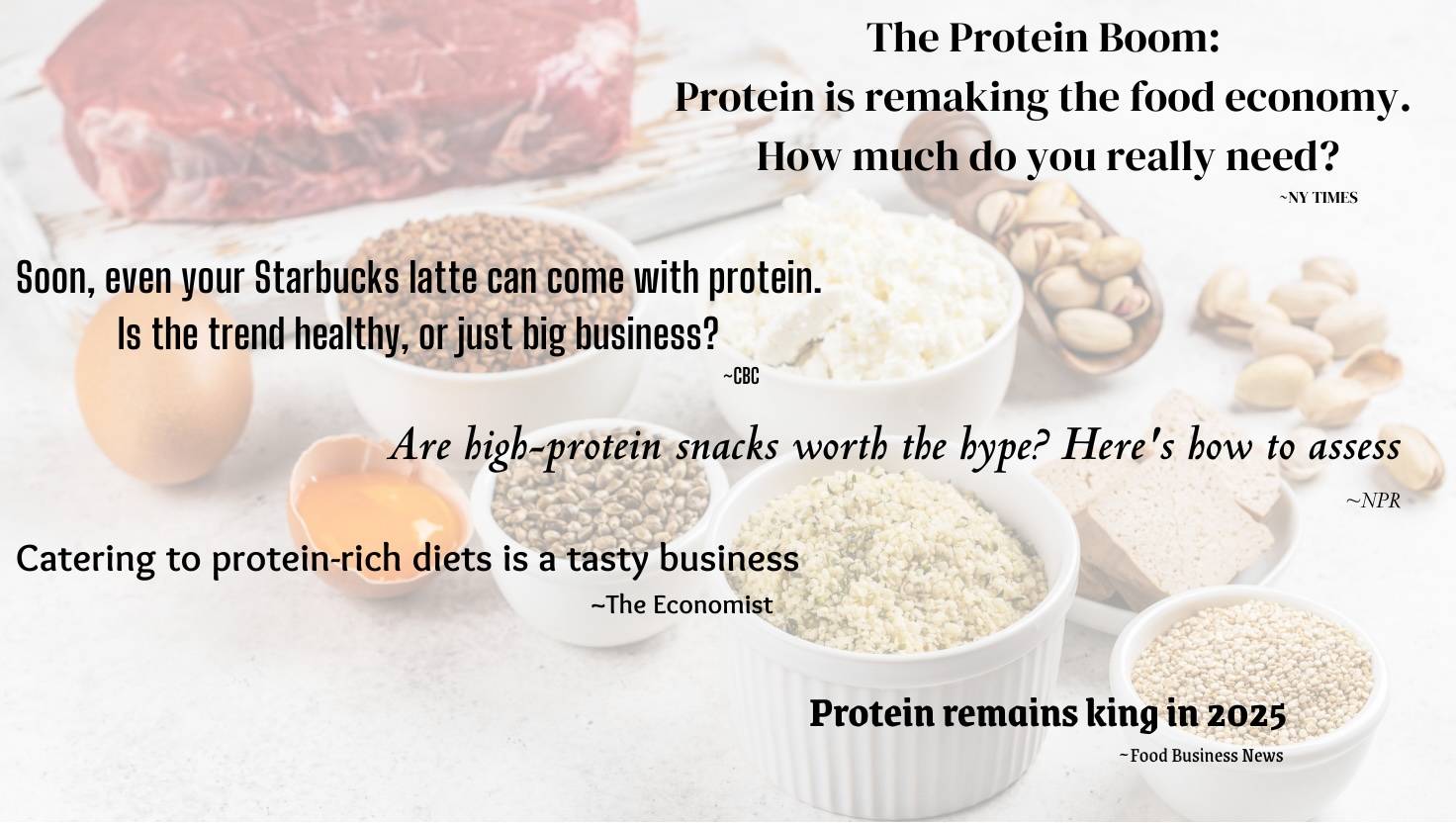
Protein: Superstar or Just Smart Marketing? Probably one of the most common questions I get as a whole-food, plant-based eater is: “But where do you get your protein?” Protein is everywhere in the news these days, it’s a food trend and big business. And sure, we do need enough of it: protein helps build and repair tissues, keeps muscles and bones strong, and supports your immune system.But here’s something that might surprise you: true protein deficiency is almost unheard of in industrialized countries, even for people who don’t eat animal products. Most American adults eat well over the recommended amount and Europeans aren’t far behind. As long as you’re eating enough calories from a variety of whole foods, getting adequate protein is rarely a problem. The real concern is for the millions of people worldwide who don’t have enough food, not those choosing beans over beef.A 2024 survey by the International Food Information Council found that 71% of U.S. consumers wanted more protein in their diet, up from 59% just two years before. That raises a good question: do we truly need more protein to be healthy, or are we being nudged by clever marketing?Before we answer, let’s zoom out for a second. Food isn’t just about protein; it’s thousands of compounds your body breaks down and uses. Broadly, nutrients fall into two groups:
Macronutrients
Micronutrients
Carbohydrates
Fat
Protein
Fibre *
Vitamins
Minerals
Phytochemicals *
Fibre and phytochemicals are not formally classified, but I believe they deserve their own spot in the overview!Carbs break down into sugars, fats into fatty acids, and proteins into amino acids. Vitamins, minerals, and phytochemicals don’t give you energy directly, but they’re essential for everything from immunity to metabolism.Back to protein. It’s made up of 21 amino acids. Your body can make 12, but the other 9 (the “essential” ones) have to come from food. Complete proteins contain all nine in the right amounts. Many animal foods fit this bill, but so do some plants, like soy, quinoa, amaranth, buckwheat, and hemp seeds. And even if a plant food is “incomplete,” your body is smart enough to combine amino acids from different meals throughout the day, no need for complicated food pairing charts.
Interesting fact: unlike carbs and fat, your body doesn’t store amino acids for later, so you need a steady supply from food every day.
When people think of protein, they often picture steak, chicken, fish, eggs, or dairy. These are dense sources and contain all the essential amino acids in proportions similar to our needs, that’s why they’re sometimes called “high quality.”
Plant foods can deliver the same building blocks, just in slightly different ratios. Beans, lentils, tofu, tempeh, edamame, peas, whole grains, nuts, and seeds are all good sources. And a few plants, like soy, quinoa, and hemp seeds, are complete proteins all on their own.
The cool thing about plant protein is the company it keeps: fibre, antioxidants, and phytochemicals that protect your heart and help reduce inflammation. They’re also naturally lower in saturated fat. That doesn’t make animal protein “bad,” but large amounts of red or processed meat have been linked with higher risks for certain chronic diseases, so balance is key.
Protein is important, no argument here, but the bigger picture matters, too. Instead of stressing over grams or chasing the latest “high-protein” snack, focus on eating a variety of whole, minimally processed foods. Beans, lentils, tofu, nuts, seeds, veggies, and whole grains can easily meet your needs. Aim for a colourful plate and let protein take its natural place as one piece of the nutrition puzzle, not the whole story.
So remember: If you’re eating enough food so you don’t lose weight and eating a variety of whole foods, it’s not hard to consume enough protein.
Be well,
Peggy
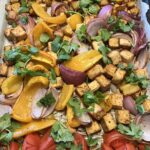
As we slide into fall and harvest season, this cozy butternut & tofu sheet pan dinner makes the most of local stars like squash, peppers, and tomatoes. It’s a rainbow of colour and flavour, perfect for an easy weeknight meal (and even better the next day!).
For a creamy finish, spoon my quick Tahini–Lime Drizzle over the roasted veggies and tofu. Its bright, nutty flavour plays perfectly with the chipotle – maple glaze.Tahini-Lime Dressing
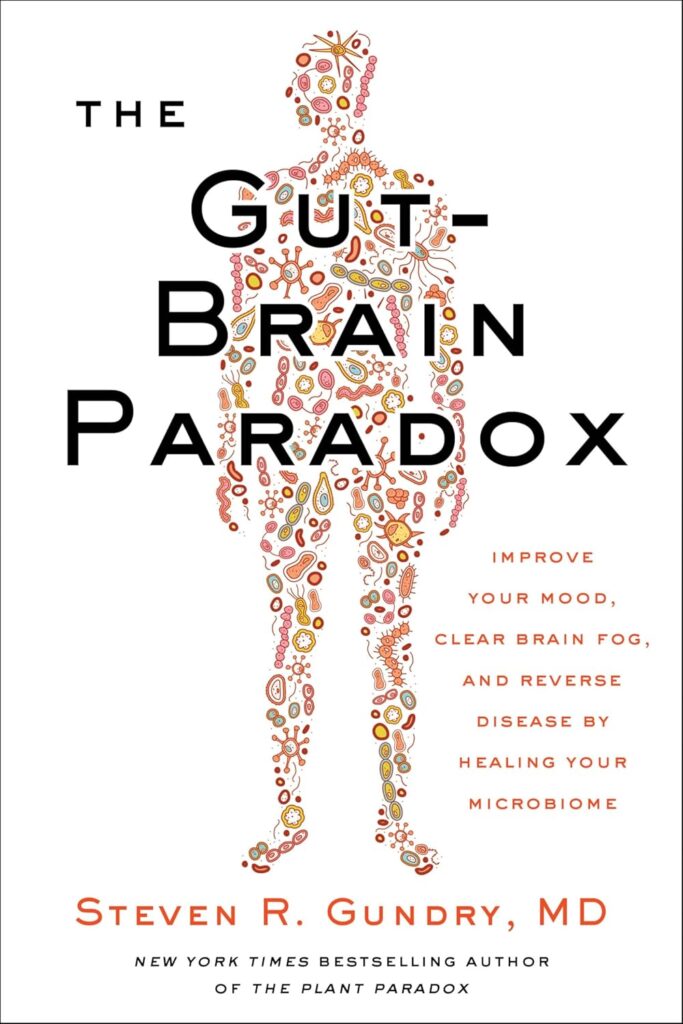
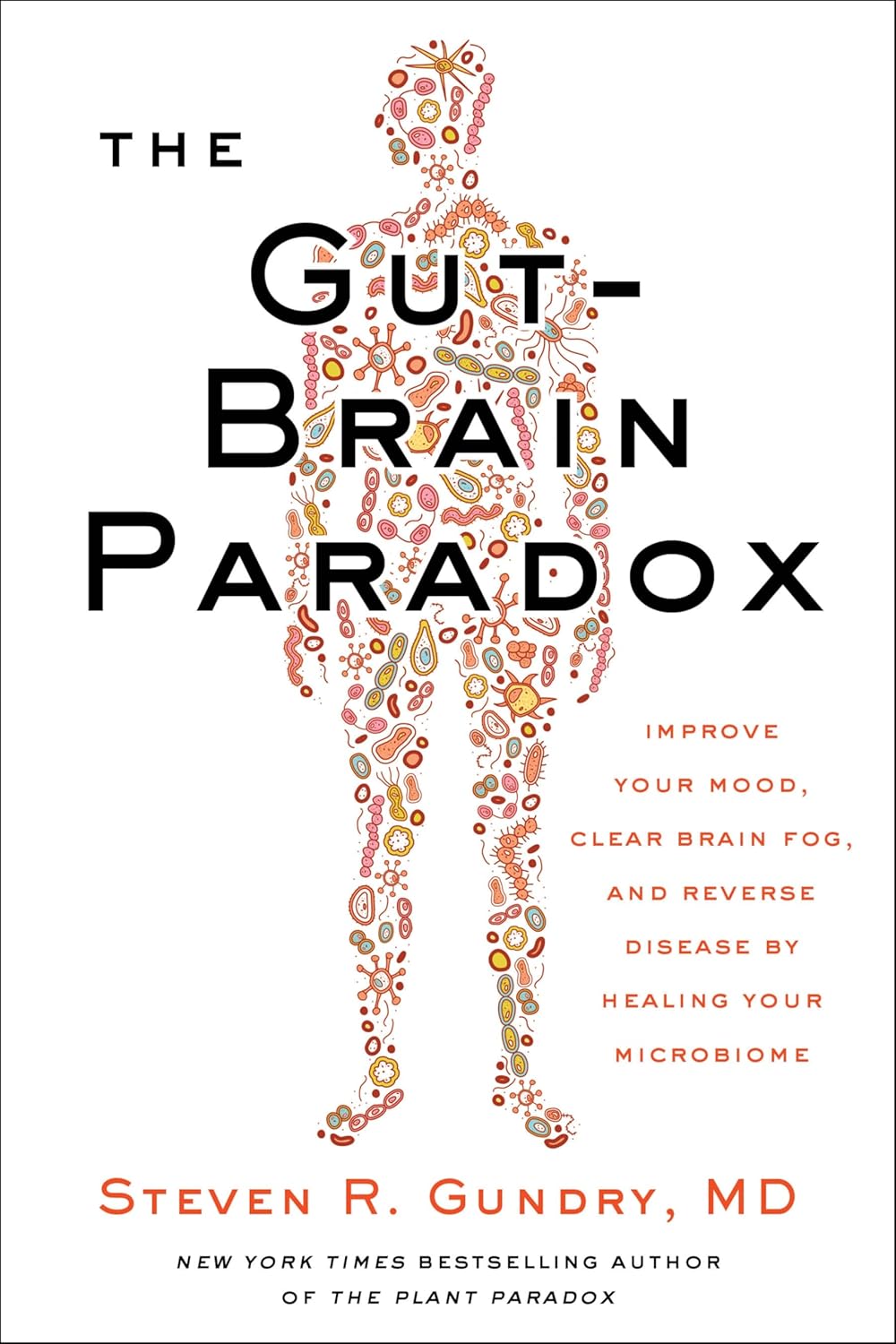
Book Review: Gut-Brain Paradox by Steven GundryNot every book with a shiny cover and big-name endorsements is worth your reading time or your trust. When I picked up The Gut-Brain Paradox, it looked promising, but I quickly learned that the author’s nutrition advice isn’t well respected. I did some digging so you don’t have to, and I’m sharing what I found to save you the trouble. Give this book a pass.
Bits & Bites:Thai Inspired Cooking Class: My next cooking class through Panorama Rec is on Tuesday, October 21. We’ll be making a chickpea curry, a classic pad Thai and a velvety rice pudding. All recipes are gluten-free and whole-food plant-based. I’d love your help sharing this with anyone who might enjoy it. After my last class didn’t run due to low sign-ups, I’m especially excited to see this one take off.
New & Improved Recipes! I’ve given my recipe section a little makeover. From now on, each recipe is easier on the eyes and on your printer plus you can leave a review, ask a question or share a comment right on the page. I’d love to hear what you try and how it turns out. Let’s get some conversations going!
Fuelling My Knowledge: I’m thrilled to share that I was awarded a full scholarship for the T. Colin Campbell Center for Nutrition Studies’
Food & Sustainabilitycertificate program. I’m so grateful for the opportunity to deepen my knowledge about how our food choices impact personal and planetary health and I can’t wait to bring what I learn back to you!
Bring the farmers’ market to your oven with this smoky-sweet sheet pan dinner! Roasted butternut, peppers, onions, tomatoes, and crispy-edged tofu caramelize under a chipotle-maple glaze while they bake, so easy and so colourful. Don't worry about extras, because tomorrow’s leftovers shine in wraps, grain bowls, or over a pile of leafy greens. Packed with plant protein, fibre, and beta carotene, it’s a cozy way to eat the rainbow.
Course Main Course
Servings 4
Ingredients
1small butternut squashpeeled and cut into ¾-inch cubes
1block extra-firm tofudrained, pressed, and cut into 1-inch cubes
1large red onionsliced into thick wedges
2bell peppersany color, cut into 1-inch strips
2tomatoescut into wedges (or sub a handful of cherry tomatoes)
3clovesgarlicminced
3Tbsppure maple syrup
3Tbspbalsamic vinegar or lemon juice
1tspsmoked paprika
2tspchipotle chili powderadjust for heat
freshly ground black pepper to taste
optional garnish: chopped cilantro or parsley, squeeze of lime
Instructions
Preheat oven to 425°F. Line a large sheet pan with parchment paper or a silicone mat.
In a small bowl, whisk together maple syrup, balsamic vinegar or lemon juice, smoked paprika, chipotle powder, and garlic.
Place the cut squash into a large bowl and pour roughly ½ the marinate over it, tossing well to coat.
Spread squash out in a single layer on prepared pan and roast for 25 minutes.
Meanwhile, add the tofu to the same large bowl and toss with the remaining marinade. Set aside while you prepare the onion, peppers, and tomatoes.
After the squash has cooked for 25 minutes, remove from the oven and stir.
Add the onions and peppers to the tofu and toss to coat. Place this mixture on the prepared pan with the squash. Bake for 10 minutes.
Remove from oven, give everything a stir, then add the tomatoes and bake for another 10-15 minutes or until the squash is tender.
Taste, adjust seasoning, and finish with herbs or lime if desired.
Notes
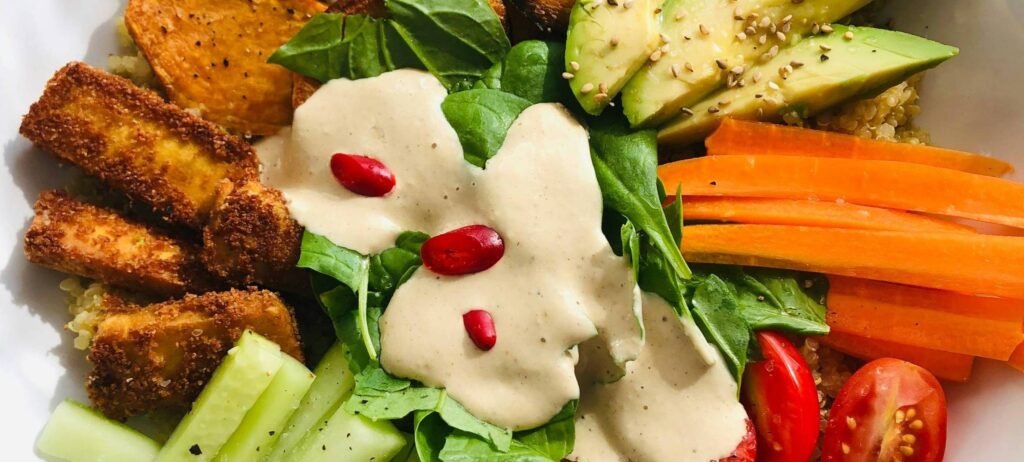
Serving ideas: Spoon over brown rice, millet, quinoa, or greens, and drizzle with a quick tahini–lime sauce for extra creaminess. I also love it with salsa on the side for dipping!
Buddha Bowl Magic: Leftovers make a perfect base for a quick Buddha bowl, just add cooked grains, leafy greens, or a dollop of hummus.
Veggie Swap: Mix it up with other roast-friendly vegetables such as sweet potatoes, parsnips, broccoli or cauliflower.
Protein Boost: Toss in a cup of cooked chickpeas along with the tofu for extra protein and texture.
Cozy up with this tender pear and cinnamon cake, a wholesome treat that celebrates autumn’s softer side. Bruised or perfectly ripe pears melt into the batter, adding natural sweetness and moisture, while whipped aquafaba keeps every bite light and fluffy. Free of gluten, dairy, and refined oils, it’s a lovely dessert or afternoon snack – warm, fragrant, and satisfying, just right for a crisp fall day.
Ingredients
1/3cupAquafaba
1/2cupPearpeeled and mashed, one large pear
1/3cupUnsweetened Applesauce
1/4cupDate Pasteor maple syrup
1tspVanilla Extract
1cupOat Flour
1/2cupAlmond Flour
1tspBaking Powder
1/2tspBaking Soda
1tspCinnamon
1/4tspNutmegoptional
1/4tspGingeroptional
Instructions
Preheat oven to 350 °F. Line an 8-inch square with parchment.
In a clean bowl, whip the aquafaba with a hand mixer or whisk until soft peaks form (2–3 min).
In another bowl, stir together the mashed pear, applesauce, date paste or maple syrup, and vanilla.
Whisk the oat flour, almond flour, baking powder, baking soda, cinnamon, optional nutmeg, and ginger in a separate bowl.
Fold the dry mix into the pear mixture just until no dry flour shows.
Gently fold in the whipped aquafaba in two additions, keeping as much air as possible.
Spread the batter evenly in the prepared pan.
Bake 28–34 min, until golden and a toothpick inserted in the centre comes out clean.
Cool at least 15 min before slicing.
Notes
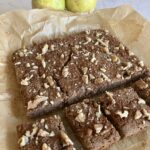
Nut free optionSwap the almond flour for oat flour.ToppingBefore baking, sprinkle the top with extra cinnamon or a few walnut pieces.
Moist, hearty, and lightly sweet, these muffins are packed with fibre, healthy fats, and a touch of natural sweetness from zucchini and date paste. Perfect for breakfast, snacks, or on-the-go!
Servings 12muffins
Ingredients
Dry
2cupsoat flour
¼cupground flaxseed
1tspcinnamon
2tspbaking powder
½tspbaking soda
Wet
2cupszucchinigrated and squeezed to remove excess water
⅓cupdate paste
¼cupapplesauce
¾cupsoy milk
Add-ins
¼cupgoji berries
⅓cupchopped walnuts or pecans
Variations
mini chocolate chips, raisins, dried cranberries, pumpkin seeds, shredded coconut, or blueberries
Instructions
Preheat oven to 350°F (175°C). Lightly grease or line a muffin tin.
In a large bowl, whisk together oat flour, ground flaxseed, cinnamon, baking powder, and baking soda.
In another bowl, mix grated and squeezed zucchini, date paste, applesauce, and soy milk until smooth.
Pour wet ingredients into dry and stir gently until just combined.
Fold in goji berries and walnuts (plus any optional add-ins).
If time allows, let the batter rest for 10 minutes before filling muffin tins.
Spoon batter evenly into the cups.
Bake for about 25 minutes, or until a toothpick comes out clean.
Let muffins cool in the pan for 10 minutes, then transfer to a wire rack to finish cooling.
Notes
Room temperature: Store in an airtight container for up to 2 days.
Refrigerator: Keeps well for 4–5 days.
Freezer: Wrap individually and freeze for up to 2 months. Thaw overnight or warm in the oven/toaster before enjoying.
When I went looking for a new gut health read this summer, this one popped up, so I borrowed it from the library. At first glance, it looked reputable: Steven Gundry is an MD and a New York Times bestselling author, the back cover is plastered with endorsements (including big names like Daniel Amen and Terry Wahls), and nearly a third of the book is the reference list. Promising, right? Wrong. The subtitle: “Improve your mood, clear brain fog, and reverse disease by healing your microbiome” sounded right up my alley, right? Wrong again.
This book is riddled with pseudoscience, and one of the worst offenders is Gundry’s advice to avoid all foods containing lectins (beans, lentils, whole grains, bell peppers, soy, potatoes, etc.), foods that are staples in Blue Zone populations, some of the longest-lived people on Earth. But the real jaw-dropper came in the “Do: Get Your Fiber” section, where he writes: “Finally, don’t forget your animal fiber.”
Animal fiber?! Is that even a thing? According to Gundry, examples include “ligaments, tendons, bones, and cartilage of meat and fish” and contribute to gut health. He even cites a study so I checked it. The article, from the Journal of Animal Science, is titled: “Fermentation of animal components in strict carnivores: A comparative study with cheetah fecal inoculum.” Yes, you read that right. His recommendation for humans is based on cheetah poop.
At that point, I dug deeper. I found a scathing review by Drs. T. Colin Campbell, PhD, and Thomas Campbell, MD (T. Colin Campbell Center for Nutrition Studies) of Gundry’s earlier book, The Plant Paradox. And Dr. Michael Greger of NutritionFacts.org made a short video about that same book with the tagline: “A book purported to expose the ‘hidden dangers’ in healthy foods doesn’t even pass the whiff test.”
Now, to be fair, Gundry does offer some decent advice: eat fermented foods, polyphenols, vegetables, healthy fats, get vitamin D, avoid processed foods, and don’t overdo protein. But with all the pseudoscience, and his supplement and skincare lines, it’s hard not to call him a quack out to make a buck.
I’ll let the Campbells’ words about The Plant Paradox sum it up: “What a shame that this type of unscientific nonsense creates so much unnecessary confusion, with deadly consequences.”
Think electrolytes are just for athletes? Think again! Your body relies on them every day and summer heat makes them even more important. Dive into my August newsletter for tips, a zucchini recipe, a book review, and more.