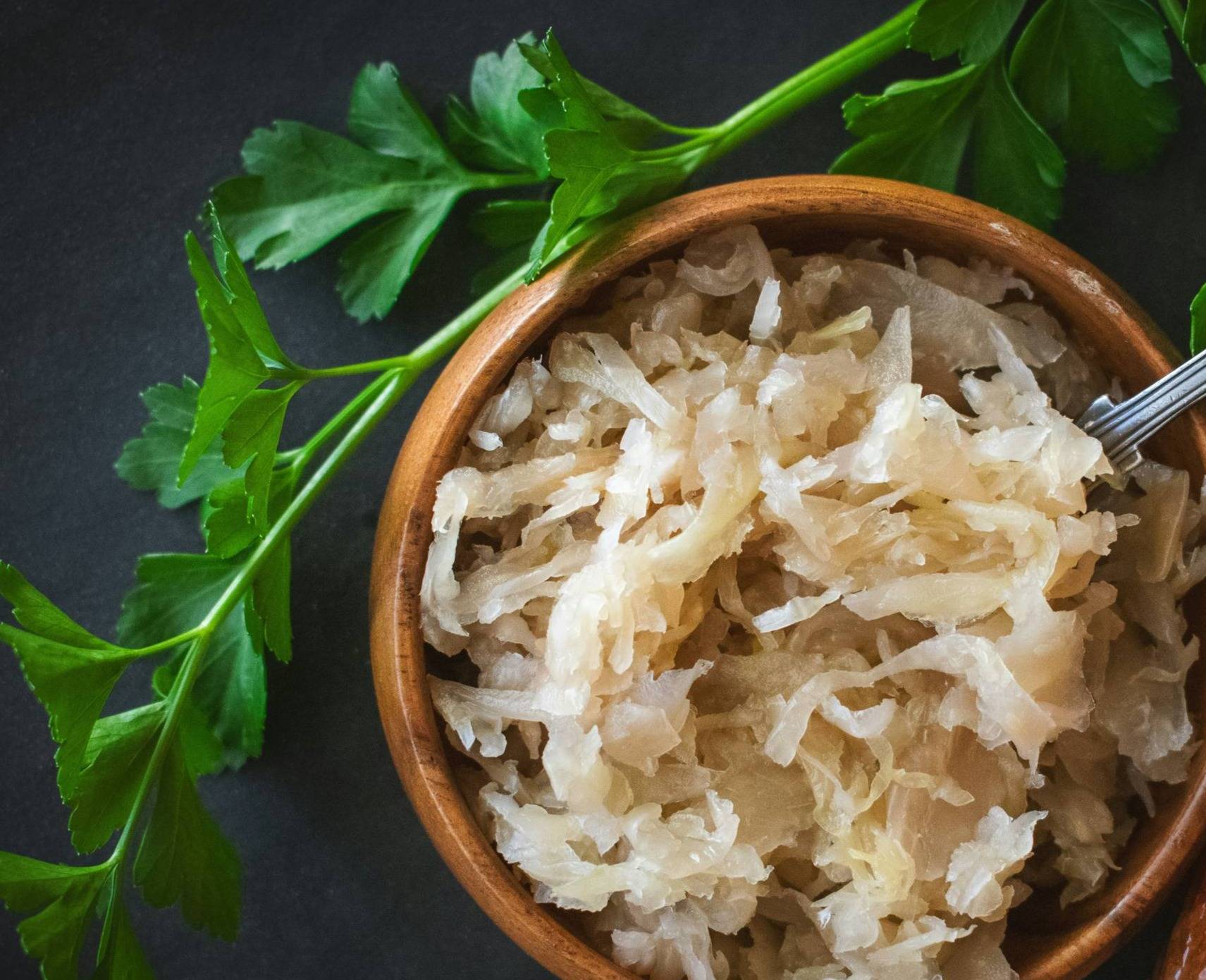
Instead of changing everything at once, what if you started with one small, nourishing habit? In my January newsletter, I share why fermented foods are a gentle place to begin and how even a forkful a day can support your gut.
Author: wpadmin
-
Fibre in the Spotlight: A Refreshing Shift After All the Protein Hype
I recently came across a BBC article titled “Is fibre the new protein? The surprising health benefits of the latest wellness trend” and I have to say, it made me genuinely excited to see fibre finally getting some well-deserved mainstream attention.
After years of protein being the star of the nutrition world (protein bars, protein coffee, protein everything!), it’s refreshing to see the conversation shift toward fibre, a nutrient that quietly supports gut health, blood sugar balance, immunity, and even mental wellbeing. This isn’t just another social media trend; it’s backed by decades of research.
Most adults are encouraged to aim for around 30 grams of fibre per day, yet the average intake is closer to half that. With modern diets leaning heavily toward ultra-processed foods, it’s no surprise fibre has been left behind.
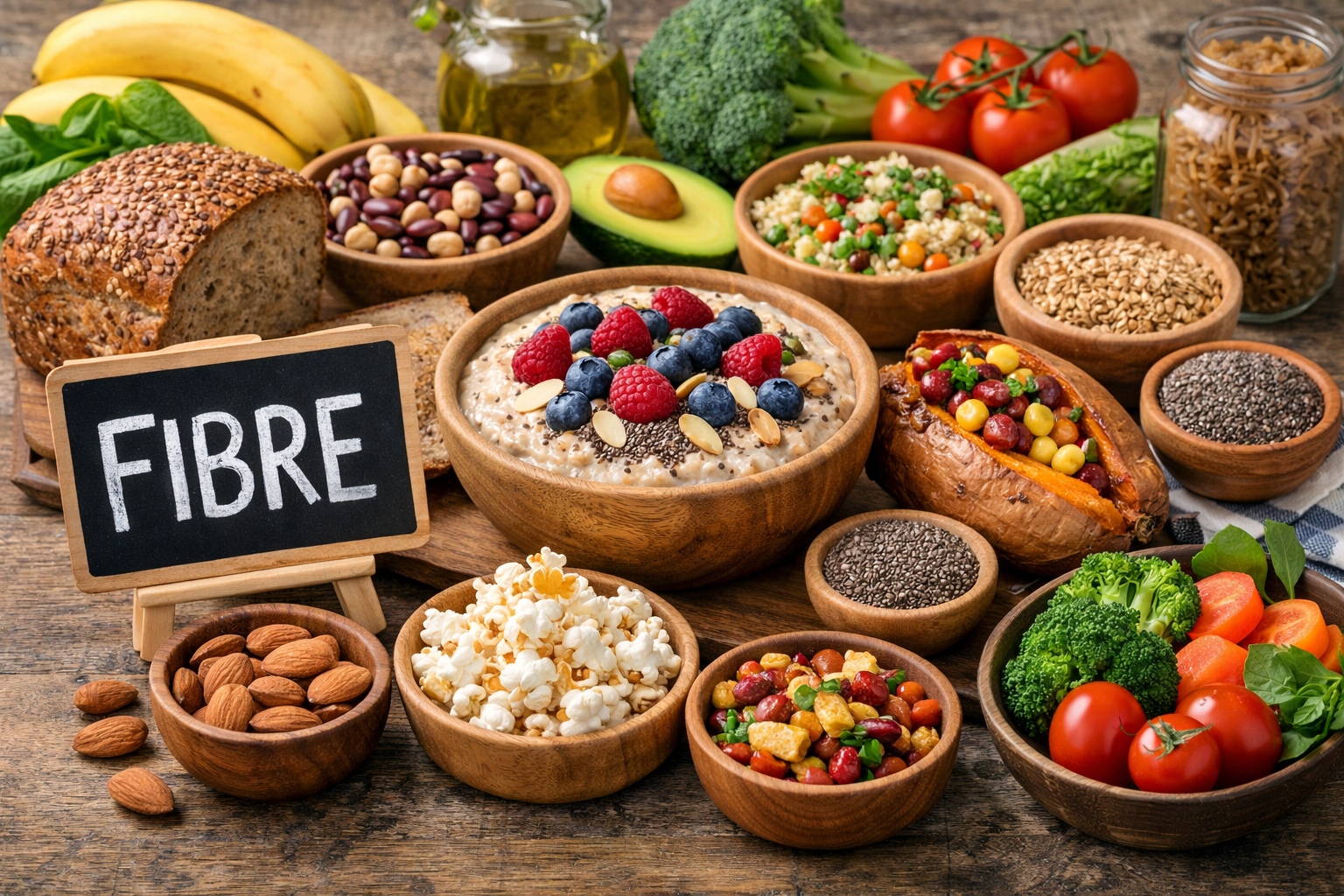
Fibre comes from plant foods, fruits, vegetables, whole grains, beans, lentils, nuts, and seeds. While many people associate fibre mainly with digestion, it does far more.
Different types of fibre play different roles:
- Some fibres feed beneficial gut bacteria, strengthening the microbiome
- Others help keep digestion moving smoothly
- Certain fibres slow sugar absorption, helping stabilize blood sugar and cholesterol
Research consistently links higher fibre intake with lower risk of heart disease, type 2 diabetes, and some cancers. There’s also growing evidence of fibre’s role in mental health through the gut–brain connection. From a gut health perspective, fibre acts as a prebiotic, nourishing the beneficial bacteria that support digestion, immunity, and mood.
Fibre hasn’t always been a headline nutrient. Unlike protein, it was never marketed as exciting. At the same time, convenience foods replaced whole grains, beans, and vegetables in many diets, naturally lowering fibre intake. The recent protein obsession may have pushed fibre even further aside, especially when animal proteins replaced plant-based options like legumes.
That’s why seeing fibre highlighted in mainstream media feels like a positive shift back toward balance and whole-food nutrition.
If your diet is currently low in fibre, start slowly and drink plenty of water as you increase intake. Small, practical swaps can make a big difference:
- Choose wholegrain or seeded bread instead of white
- Replace white rice with brown or go half-and-half
- Add beans or lentils to soups, salads, and pasta dishes
- Top porridge or yogurt with fruit, nuts, or seeds
- Snack on popcorn, almonds, or fresh fruit
- Include vegetables or hummus in sandwiches
- Choose wholegrain pasta and higher-fibre cereals
Breakfast is often an easy place to start, oats with berries and seeds offer a gentle fibre boost to begin your day.
Rather than chasing trends or numbers, focus on small, sustainable changes and notice how your body responds. For most people, simply eating more whole, plant-based foods naturally increases fibre intake, supporting gut health, energy levels, and overall wellbeing.
Sometimes the simplest changes really do make the biggest difference.
-
How to Make an Age-Old Superfood for Improved Digestion
I recently read an article titled “How to Make an Age-Old Superfood for Improved Digestion: Easy to Make at Home, Sauerkraut Supports Gut Health”, and it’s a great reminder of why sauerkraut remains one of my most frequently recommended foods for gut health.
The article does a thoughtful job of connecting traditional food practices with modern digestive concerns, something I see reflected again and again in my work. Bloating, gas, stomach pain, low energy, these are common experiences, and while they’re often dismissed as temporary, they’re frequently signs that the gut could use more consistent support.
As the article outlines, the gut is home to trillions of microorganisms that make up the gut microbiome. These microbes are involved not only in digestion and nutrient absorption, but also immune function and communication with the nervous system through the gut-brain axis.
When this balance is disrupted, the effects can extend far beyond the digestive tract. Fatigue, brain fog, changes in mood, and increased inflammation are all increasingly linked to imbalances in gut bacteria. Because such a large portion of the immune system resides in the gut, digestive health plays a foundational role in how the body responds to stress and inflammation overall.
This is one of the reasons food-based approaches to gut support can be so powerful.
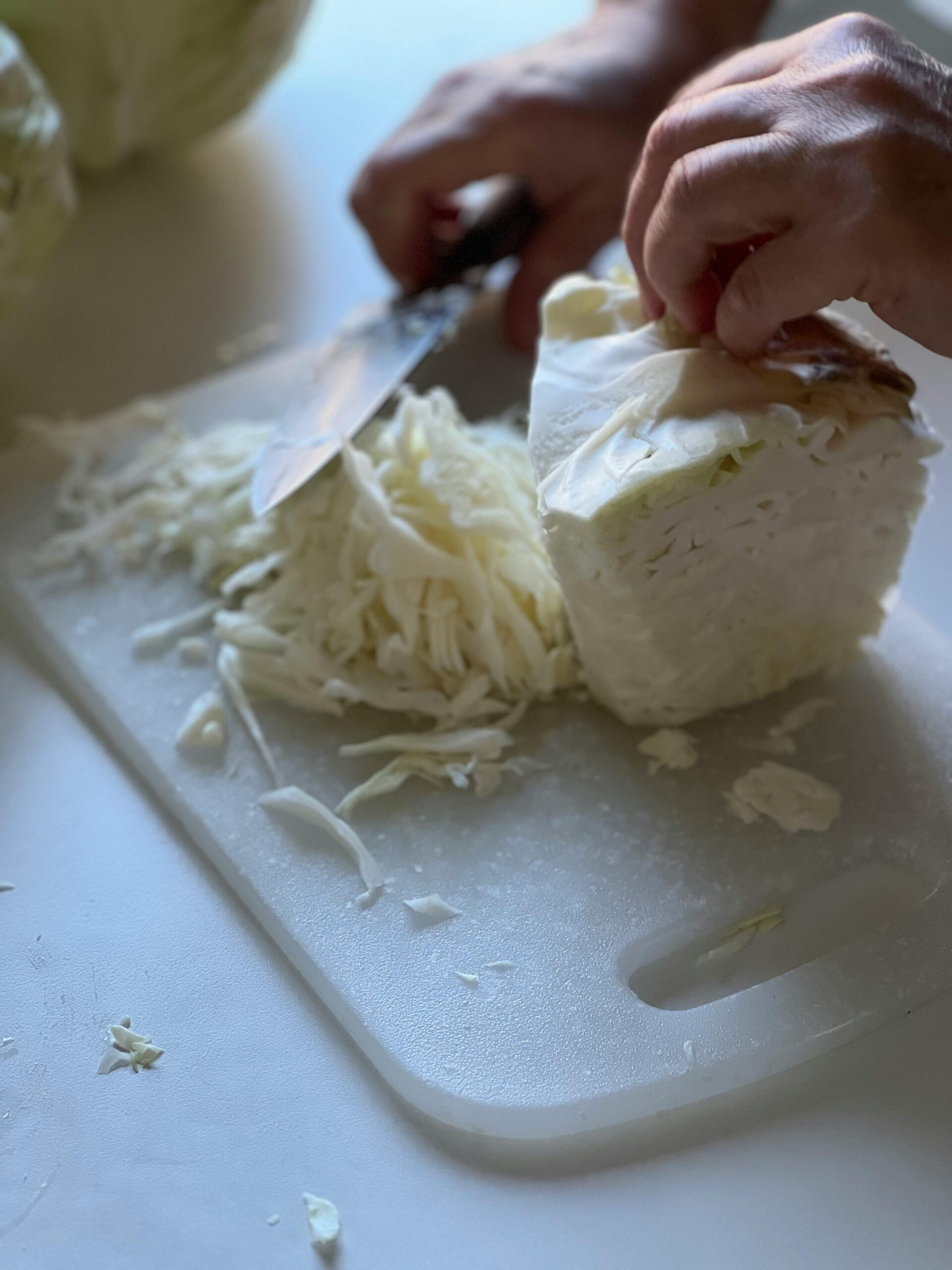
The article highlights cabbage as an ideal candidate for fermentation, and for good reason. Cabbage is naturally high in fibre, which becomes a source of prebiotics once fermented, feeding beneficial gut bacteria. It also contains vitamins C and K, along with vitamin A, all of which support immune function and help regulate inflammation.
Certain varieties, such as red cabbage, are especially nutrient-dense, offering high levels of vitamin C and antioxidants. Cabbage also provides minerals like potassium, magnesium, calcium, iron, and selenium. These nutrients work synergistically, for example, vitamin C enhances iron absorption, supporting energy levels, immune health, and digestion.
Fermentation further enhances these benefits by increasing nutrient availability and creating an acidic environment where beneficial bacteria thrive and harmful microbes struggle to survive.
One of the strengths of the article is its emphasis on simplicity. Sauerkraut requires very few ingredients or tools, yet delivers meaningful digestive benefits. This accessibility is part of why fermented cabbage has been used across cultures for centuries, not only as a preservation method, but as a way to support health through everyday food.
While the article includes a detailed recipe for making sauerkraut at home, the recipe itself isn’t the most important takeaway. The real value lies in understanding why fermented foods like sauerkraut support digestion and how incorporating them regularly can help maintain microbial balance over time.
As the article notes, sauerkraut is best eaten raw if tolerated, so the beneficial bacteria remain intact. Even small, consistent amounts can be supportive. It doesn’t need to be complicated or excessive, a few tablespoons alongside meals is often enough.
What I appreciate most about this piece is that it frames sauerkraut not as a trend or quick fix, but as a practical, traditional food that supports digestion in a steady, long-term way.
Sometimes the most effective tools for gut health aren’t new or flashy. They’re age-old foods, thoughtfully prepared and consistently enjoyed.
-
Can Gut Health Influence How We Age?
This article explores growing scientific interest in the gut microbiome and its potential role in healthy ageing. Research on centenarians consistently shows that people who live long, healthy lives tend to have more diverse gut bacteria, which may help reduce inflammation, support resilience, and protect against frailty. While gut diversity naturally declines with age, those who maintain it appear to age better, not just live longer.The article follows a journalist who undergoes microbiome testing and works with experts to improve his gut health through diet. Findings suggest that significant dietary changes, particularly eating fibre-rich plant foods, fermented foods, healthy fats like olive oil, and minimizing ultra-processed foods, can shift the gut microbiome within weeks. Studies, including animal research, suggest gut bacteria may directly influence ageing processes rather than simply reflect overall health.
Experts caution that gut health is only one piece of the longevity puzzle, alongside genetics, exercise, and lifestyle factors. However, diet may account for up to one-third of how we age, making everyday food choices a meaningful and accessible way to support long-term health.
-
Book Review: The Microbiome Master Key by B. Brett Finlay and Jessica M. Finlay
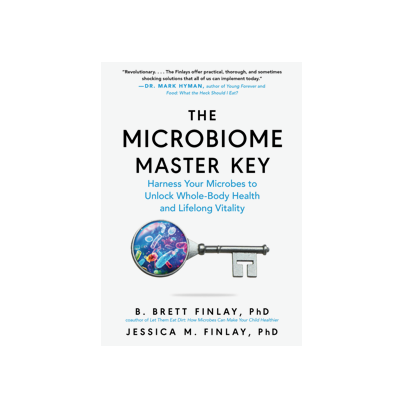
The Microbiome Master Key by B. Brett Finlay and Jessica M. Finlay is, without question, the most comprehensive book on the human microbiome that I have read. While most people are familiar with the concept of the gut microbiome, and if you’ve been following my work, you’ll also have heard me talk about the oral microbiome, this book goes far beyond those commonly discussed areas.
In addition to dedicated chapters on the gut and oral microbiomes, the authors present current research on a wide range of lesser-known but equally important microbial ecosystems. These include the skin microbiome; the microbiomes of the heart and brain; the lung microbiome; and the microbiome of the urogenital tract. There are also fascinating chapters exploring the relationship between microbes and the musculoskeletal system, microbes and cancer, the impact of sleep on the microbiome, and a chapter examining COVID-19 through a microbiome lens. The book also challenges the common perception that environmental microbes are inherently dangerous, highlighting instead their often-protective and beneficial roles in human health.
One feature I particularly appreciated is the “Key Tips” section at the end of every chapter. While much of the book is highly technical and may not appeal to a general audience, these summaries distill complex research into practical, actionable insights. Even readers who choose to skim the technical sections would still gain value from these key takeaways alone.
The final chapter brings everything together by outlining practical steps to support microbial health and longevity. The authors emphasize that humans live in constant partnership with their microbes, and that lifestyle choices should consider not only our own needs, but those of our microbial communities as well. Key themes include:
- Nutrition: A diet rich in diverse, fibre-containing plant foods helps nourish a resilient and diverse microbiome. Minimally processed, plant-forward eating patterns are consistently associated with better microbial balance.
- Movement: Regular physical activity supports microbial diversity and overall metabolic health. The focus is on staying active in sustainable, enjoyable ways rather than rigid exercise prescriptions.
- Social connection: Strong social bonds with family, friends, and community are increasingly recognized as important for both mental health and microbial health, likely through their effects on stress, immunity, and behaviour.
- Stress management: Chronic stress can negatively alter the microbiome. Practices that reduce stress, such as time in nature, mindfulness, or simply adequate rest, play an important role in microbial resilience.
- Sleep: Consistent, high-quality sleep supports circadian rhythms that influence microbial function. Prioritizing restful sleep is a foundational, yet often overlooked, aspect of microbiome health.
This is not a book I would recommend to everyone. However, for those who are curious, scientifically inclined, or interested in learning more about a specific microbiome, such as the lungs or skin, it’s an excellent resource. Even reading select chapters can deepen one’s understanding of how profoundly interconnected our microbes are with every aspect of human health.
- Nutrition: A diet rich in diverse, fibre-containing plant foods helps nourish a resilient and diverse microbiome. Minimally processed, plant-forward eating patterns are consistently associated with better microbial balance.
-

Book Review: Eat What Elephants Eat: Vegan Recipes for a Strong Body and a Gentle Spirit by Dominick Thompson
Although this cookbook is not strictly whole-food, plant-based, as small amounts of added oil are used, it is an excellent resource for anyone curious about vegan living or beginning their plant-based journey. Dominick Thompson opens the book by sharing his personal story of becoming vegan. Unlike many narratives that begin with a health crisis, Thompson’s turning point occurred while he was incarcerated. This unconventional and honest origin story sets the tone for a book that is as much about values and personal growth as it is about food.
Thompson clearly articulates his “why” for veganism with the simple yet powerful motto: “If It Requires Harm, Then Nahh.” This guiding principle carries throughout the book and is reinforced by a thoughtful section on social justice, an element often missing from nutrition and recipe-focused writings. He explains that he named the book after “Earth’s largest herbivore, the mighty African elephant-an intelligent, gentle, curious, strong, and peaceful creature that fuels its massive body with plants.” This symbolism underscores the book’s message that strength and vitality can coexist with compassion.
The book is organized into four main sections:
- The Eat What Elephants Eat Journey
- How to Eat What Elephants Eat
- The EWEE Kitchen
- Recipes
Interwoven throughout are practical and accessible educational resources, including an overview of macronutrients, guidance on plant-based protein sources, healthy fats, and key micronutrients. Readers will also find helpful tools such as a plant-based milk guide, whole grain and bean batch-cooking tips, a build-a-bowl guide, a leafy greens overview, and a simple smoothie formula. These additions make the book feel both instructional and supportive, particularly for those new to vegan eating.
The recipes themselves are clearly written, well organized, and beautifully photographed. Of the dishes I tried, the chickpea Caesar dressing stood out as a favourite, always a win when a recipe encourages more bean consumption! Many of the offerings are especially approachable for newcomers, with familiar comfort foods like Mac ’n “Cheese” and Orange “Chicken” reimagined in a vegan-friendly way.
One minor drawback is that some recipes require components from other recipes within the book, which means a bit of advance planning and extra page-flipping. That said, this is fairly common in comprehensive cookbooks and is entirely manageable with a little organization.
Overall, Eat What Elephants Eat is a thoughtful, encouraging, and practical cookbook. It serves as a strong resource for anyone at the beginning of their vegan journey, offering not just recipes, but context, compassion, and a broader understanding of how food choices connect to personal and social well-being.
-

Being Gentle with Ourselves This Holiday Season – December 2025 News from Gut Healthy
December can feel like a whirlwind, between celebrations, obligations, and the year-end rush and it’s easy to lose sight of ourselves. In this month’s newsletter, I’m sharing gentle reminders for nourishing your body including some cozy recipes to support you through the season.
-

Dark Chocolate Turtles
Dark Chocolate Turtles
These no-bake dark chocolate turtles are a naturally sweet twist on a classic treat. Chewy dates take the place of caramel, pecans add that signature crunch, and a rich dark chocolate coating brings it all together. With just a handful of simple ingredients, they’re easy to make and perfect for when you want something a little decadent without a lot of fuss. Keep a batch in the fridge or freezer for an anytime treat. A healthier dessert option that still feels totally indulgent.Servings 16Ingredients
- 1 cup Pitted Dates soaked for 10 minutes then drained
- 1 tsp Vanilla Extract
- 16 Pecans whole or halves
- 6 ozs Dark Chocolate
Instructions
- Finely chop the dates or blend in a food processor until sticky.
- With damp hands, roll the dates into small even balls. Press the balls onto a pan lined with parchment paper, and top with pecans, pressing down slightly so that they stick. Freeze for 10 minutes.
- Meanwhile, microwave the chocolate at 50% power for 30 seconds at a time until melted.
- Using a fork, suspend the frozen dates into the chocolate until fully covered. Remove and let the excess chocolate drip off. Return to the parchment-lined pan and repeat until each date ball is coated with the chocolate.
- Return to freezer for 10 more minutes to set. Transfer to the fridge until ready to enjoy.
Notes
No Pecans Use hazelnuts, almonds, cashews or pumpkin seeds instead. No Dates Use a combination of prunes, dried apricots or raisins instead.For extra flavour
Lightly toast the pecans before topping the date ball although keeping them raw preserves more of their nutrients. Storage Refrigerate or freeze in an airtight container until ready to serve. No Microwave Melt the chocolate in a double boiler instead. Serving Size One serving is equal to one dark chocolate turtle. -

Oil-free Hummus
Oil-free Hummus
This creamy hummus gets a flavour boost from miso, adding subtle umami depth while keeping things simple and nourishing. It’s smooth, versatile, and easy to customize, perfect for dipping, spreading, or adding to bowls and wraps.Servings 6Ingredients
- 1 1/ 2 cups Chickpeas cooked
- 2 cloves Garlic minced
- 2 tbsps Lemon Juice
- 1 tsp Miso Paste
- 1/4 cup Tahini
- 1/2 tsp Cumin
- 1/2 tsp Smoked Paprika
- 1/2 tsp Turmeric
- 1/4 cup Water
Instructions
- Add the chickpeas to a food processor and blend until they form a thick, even puree.
- Add the garlic, lemon juice, miso, tahini, and spices.
- Turn the processor on high and slowly drizzle in the cold water. Keep blending until the hummus is ultra-smooth and creamy, this may take a minute or two.
- Taste and adjust with more lemon juice or a small pinch of salt.
- Serve immediately or store in the fridge for later.
Notes
Don’t have smoked paprika? Regular paprika works fine; add a tiny dash of liquid smoke if you want the smoky vibe. Make it spicy Add a pinch of cayenne. No tahini? Substitute almond butter, cashew butter, or sunflower seed butter. Try different beans You can swap the chickpeas for white beans (like cannellini or navy beans) for an extra-smooth, mild hummus variation. Consistency If hummus is too thick, add additional cold water, one tablespoon at a time. Serve it With Veggie sticks, brown rice tortilla chips, crackers, on a salad, in a wrap or as a sandwich spread. Storage Keeps 4-5 days in the fridge in an airtight container; may thicken after chilling, stir in a splash of water before serving. Freezes well Hummus freezes wonderfully for up to 3 months. Thaw in the fridge overnight and stir well, add a bit of water or lemon juice to bring back the creaminess. -

Book Review: Food Intelligence by Julia Belluz & Kevin Hall
“Nutrition isn’t rocket science, it’s much more difficult, and it affects our everyday lives.”
Food Intelligence isn’t a light read, but for anyone eager to deepen their understanding of nutrition, metabolism, and the forces that shape our eating habits, it’s an absolute powerhouse. Co-written by Julia Belluz, a science journalist with a Master of Science who openly shares her own struggles with weight, and Dr. Kevin Hall, an internationally recognized expert in human nutrition, metabolism, obesity, and neuroscience, this book blends accessible storytelling with rigorous science.
While many nutrition books stick to the usual macronutrient overview: protein, fat, and carbohydrates, Food Intelligence goes far beyond the basics. Belluz and Hall unpack the complex biological signals that control our hunger and satiety, weaving in what we now know about how the brain, hormones, and environment interact to shape behaviour. A central theme is the role of our modern food environment: how it nudges us, often unconsciously, toward overeating.
One of the most compelling chapters tackles ultra-processed foods (UPFs). Rather than demonizing the entire category, the authors draw an important distinction: the real culprits are energy-dense, hyperpalatable UPFs, the packaged cookies, candies, salty snacks, and convenience foods engineered to override our internal stop signals. The book argues that these foods don’t just taste good, they’re biologically primed to disrupt appetite regulation.
The section on improving the food environment is equally insightful. The authors outline how policy changes, such as adjusting advertising rules, taxing certain products, and making healthier options more accessible, could meaningfully reshape eating patterns on a societal level. Their discussion of “precision nutrition” is another highlight, cutting through hype to explain why personalized diets currently lack robust scientific backing.
Additional chapters explore the history of vitamin supplementation (including how deficiency diseases shaped modern marketing), the global calorie “glut,” and the massive problem of food waste. The final chapter ties everything together with practical steps individuals can take, grounded not in guilt or restriction, but in understanding how to work with your biology rather than against it.
Ultimately, Food Intelligence leaves readers with a sense of hope and clarity. Belluz and Hall make a compelling case that overeating and rising obesity rates are not failures of willpower but the predictable result of human biology colliding with a highly processed, highly marketed food landscape. By shifting the focus from personal blame to systemic understanding, they offer a refreshing and empowering perspective on what we can do, both individually and collectively, to create a healthier food future.