Author: Peggy

  • Apple Mulberry Breakfast Cookies

    Apple Mulberry Breakfast Cookies

    Apple Mulberry Breakfast Cookies

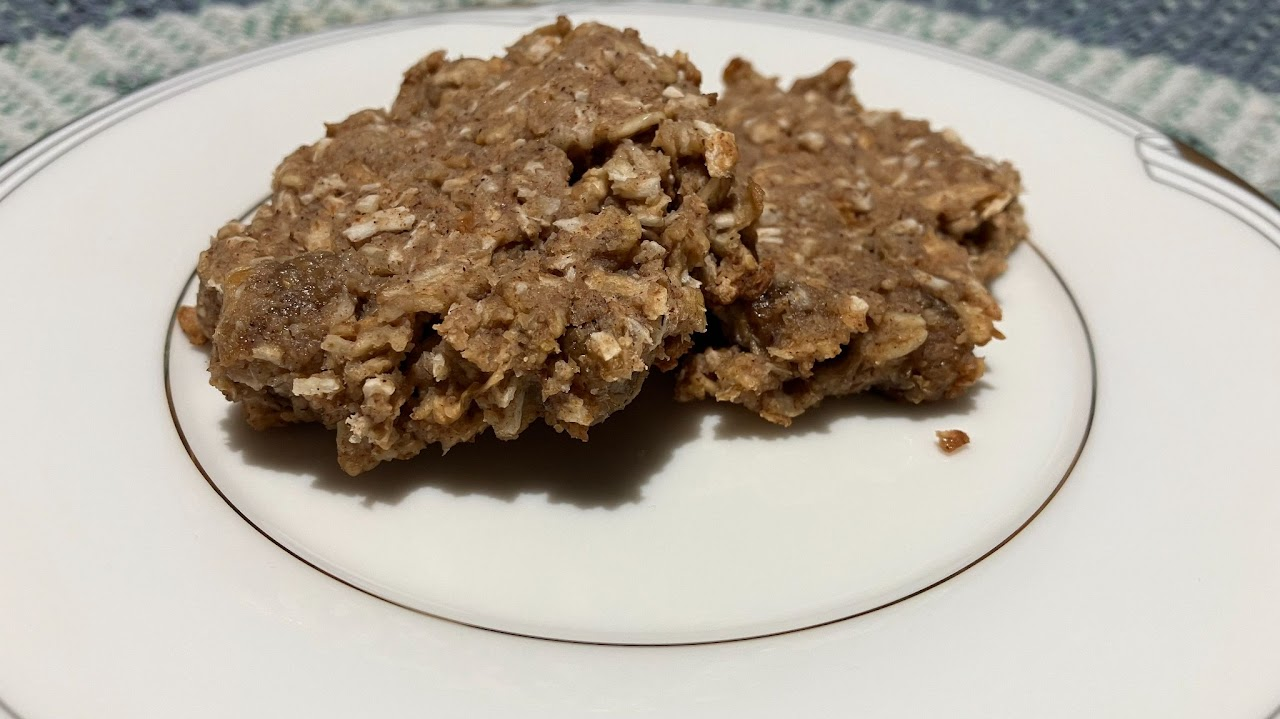
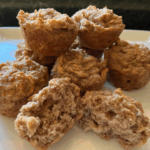
    My neighbour has been bringing me over tons of apples and I’ve been finding creative ways to use them. I really like the way this cookie turned out. It’s a very soft cookie and I love it spread with a little almond butter. The dried mulberries add a burst of sweeteness.

    Ingredients

    • 1/2 cup almond flour
    • 1/2 cup applesauce or maple syrup
    • 1 tbsp ground flaxseed mixed with 3 tbsp water
    • 1/4 cup plant milk
    • 1 tsp vanilla
    • Dry Ingredients
    • 1 cup oat flour
    • 1/2 cup oats
    • 1/2 tsp baking soda
    • 1/2 tsp salt
    • 2 tsp cinnamon
    • 1/2 tsp ground nutmeg
    • 1 cup grated apple
    • 1/2 cup shredded coconut
    • 1/2 cup dried mulberries or dried cranberries, raisins, etc.

    Instructions

    • Preheat oven to 375 degrees and line a baking sheet with parchment paper or a silicone baking mat.
    • Stir ground flaxseed and water together in a small bowl and let sit.
    • Mix almond flour and applesauce together in a large bowl.
    • Add the flax egg, milk, and vanilla. Then add all the dry ingredients and the grated apple. Mix well. Stir in the coconut and mulberries. Let the batter sit for a few minutes to enable the flour to absorb some of the liquid.
    • Drop cookies using two spoons onto baking sheet. Flatten slightly with wet fingers.
    • Bake for 20 minutes or until golden brown and firm to the touch. Let cool completely on the pan before eating.

    Notes

    These freeze well.
    Benefits: Dried mulberries are packed with antioxidants and phytochemicals. They’re a good source of iron and vitamin C and have been associated with decreasing risks of cancer, lowering cholesterol and blood sugar.
  • Apple Cinnamon Muffins

    Apple Cinnamon Muffins

    Apple Cinnamon Muffins

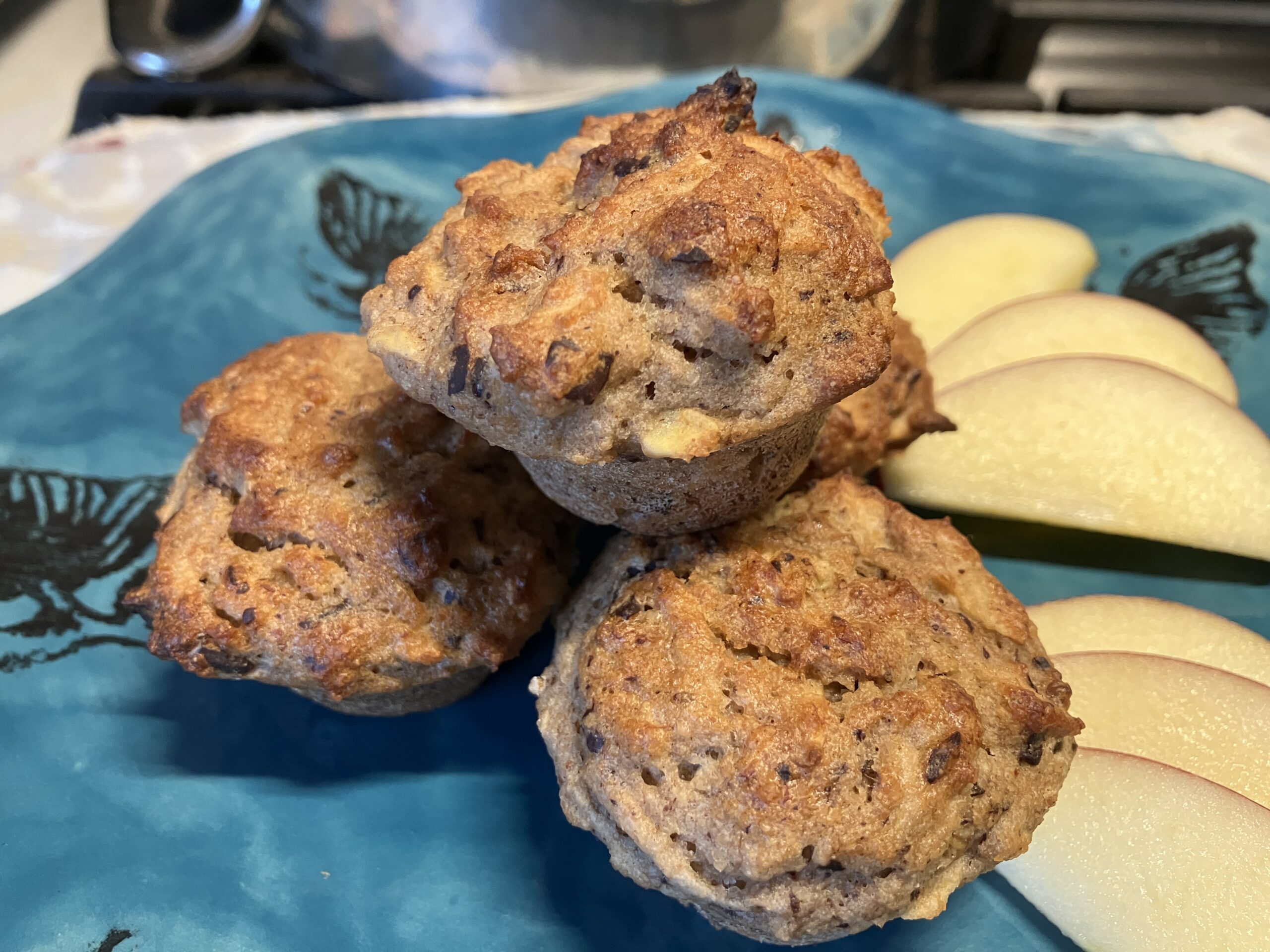
    Makes 24 small muffins or 12 large

    Ingredients

    • 1 1/4 cup almond flour
    • 3/4 cup tapioca flour or arrowroot
    • 2 tsp cinnamon
    • 1/2 tsp baking soda
    • 2 flax eggs
    • 1 mashed pear or banana
    • 1 tbsp lemon juice
    • 1 tsp vanilla
    • 1 cup grated apple

    Instructions

    • Preheat the oven to 350 degrees and line muffin tins with parchment holders or use a silicone pan.
    • Make the flax eggs. Combine 2 tbsps of ground flaxseed with 6 tbsps water. Mix together and then set aside for 10 minutes.
    • In a mixing bowl, combine the flours with the cinnamon and baking soda. Whisk to remove any lumps.
    • Once the flax eggs are ready, combine them with the mashed fruit, lemon juice and vanilla.
    • Pour the wet ingredients into the dry ingredients, stirring well. Then add the grated apple. Stir until combined.
    • Fill the muffin tin with batter.
    • Bake for about 28 minutes for small muffins, about 35 minutes for large ones or until a tester comes out clean.

    Notes

    I find this recipe works best with small muffins.
    These muffins freeze well. I love making up batches of these muffins in the fall when fresh apples are plentiful.
    Feel free to add in extra ingredients (about ½ cup) to jazz things up. Some of my favourite combinations are chocolate chips and goji berries, dried cherries and cacao nibs, and dried mulberries and walnuts.
  • Almond-Chocolate Truffles

    Almond-Chocolate Truffles

    Almond-Chocolate Truffles

    Course Dessert
    Servings 24

    Ingredients

    • 1/3 cup chopped and pitted soft dates If your dates are not soft, soak them in hot water for 20 minutes; then drain and pat dry before using.
    • 1/3 cup raw cashews soaked in hot water for 3 hours and then drained
    • 3 tablespoons almond butter
    • 1/2 cup unsweetened cocoa powder
    • 1/4 cup date sugar
    • 1 teaspoon vanilla extract
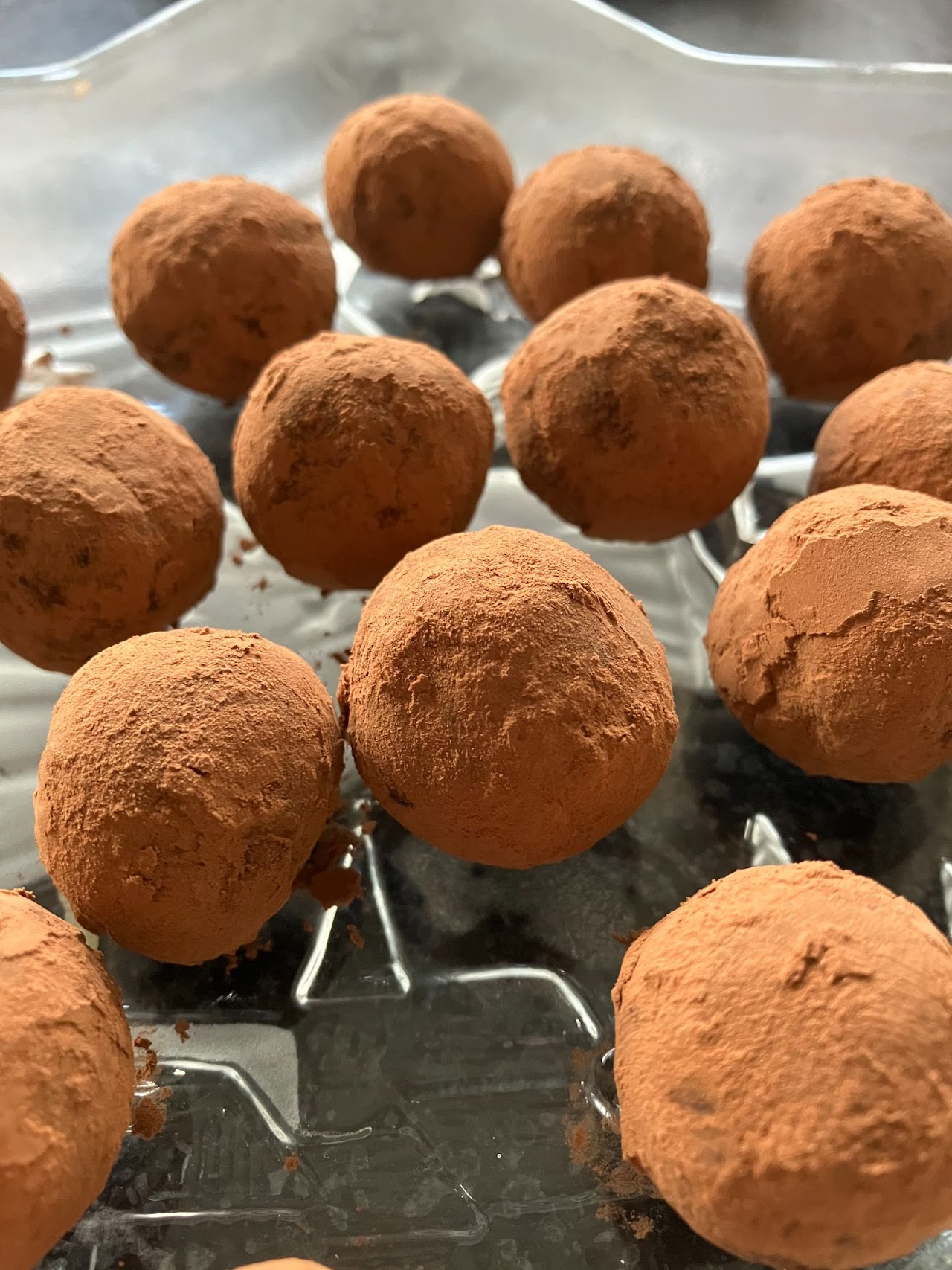
    • Ground almonds for coating or I used cocoa instead

    Instructions

    • Combine the dates and cashews in a food processor and process to a paste. Add the almond butter and process to combine. Add the cocoa powder, date sugar, vanilla and 1 teaspoon of water. Pulse until well combined.
    • Pinch some of the mixture between your fingers to see whether it holds together. If it’s too dry, add a little more water, 1 teaspoon at a time, until the mixture can be shaped into balls. If the mixture is too soft, refrigerate it for 20 minutes or longer to firm up. If it’s still too soft, add a little more cocoa powder, 1 teaspoon at a time.
    • Use your hands to shape and roll a small amount of the mixture into a 1-inch ball and transfer to a plate. Repeat until all the mixture has been rolled into balls.
    • Place the ground almonds (or cocoa) in a shallow bowl. Roll the truffles in the almonds until they’re coated, pressing on them if needed to cover completely. Transfer the coated truffles to a plate and refrigerate until firm before serving.

    Notes

    Recipe taken from the “How Not to Die Cookbook” by Michael Greger.
  • Book Review: Ultra-Processed People by Chris van Tulleken

    Book Review: Ultra-Processed People by Chris van Tulleken

    A Fascinating and Informative Deep Dive into Modern Food

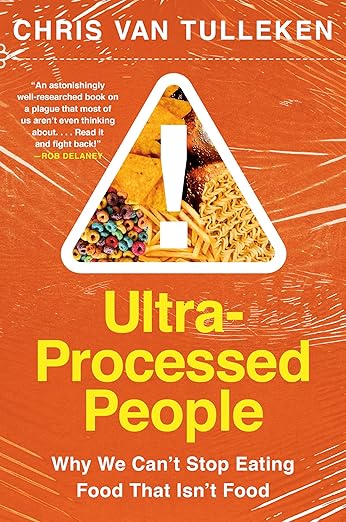
    Chris van Tulleken’s Ultra-Processed People is a gripping exposé on the modern food industry, unraveling the science and consequences of ultra-processed foods (UPFs) in a way that is both accessible and deeply compelling.

    With a mix of personal experimentation, scientific research, and historical context, van Tulleken breaks down how UPFs have infiltrated our diets, driving not only poor health outcomes but also reshaping our very relationship with food. He expertly explains how these foods are engineered for overconsumption, designed to be addictive, and often marketed under the guise of convenience or health.

    What makes this book especially powerful is how it connects food choices to broader societal and economic systems. Van Tulleken highlights how food corporations manipulate ingredients, policies, and public perception, prioritizing profits over public health. He also delves into the gut-brain connection, showing how UPFs impact metabolism, hunger hormones, and even mental well-being.

    Beyond being informative, Ultra-Processed People is a wake-up call. It challenges readers to rethink what they eat and how they navigate the modern food landscape. For anyone interested in nutrition, public health, or the food industry’s hidden influences, this book is an essential read.

    If you’re looking for a book that will forever change how you view packaged foods, this is it. Highly recommended!

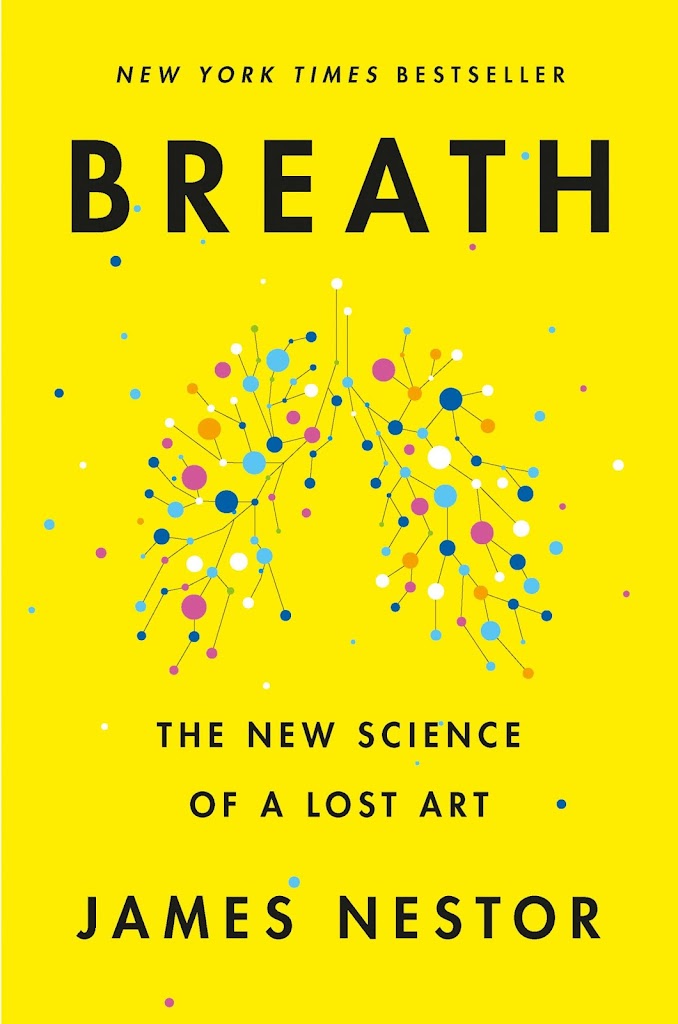
  • Book Review: Breath – The New Science of a Lost Art

    Book Review: Breath – The New Science of a Lost Art

    James Nestor’s Breath is a fascinating deep dive into something we all do—but rarely think about. Blending science, history, and personal experimentation, Nestor uncovers how modern habits have led to dysfunctional breathing and, in turn, a host of health issues.

    One of the book’s strengths is its engaging storytelling. Nestor’s journey, from exploring ancient breathing techniques to undergoing self-experiments that highlight the power of nasal breathing, makes complex science feel accessible and compelling. The research he presents—on everything from the dangers of mouth breathing to the benefits of slow, rhythmic breathing—challenges conventional wisdom and offers practical takeaways for improving overall health.

    For those interested in holistic health, Breath is a game-changer. It sheds light on how something as simple as the way we inhale and exhale can influence sleep, digestion, mental clarity, and even longevity. Having read Breath twice now, I can say it’s one of those books that continues to offer new insights with each read. It’s both educational and actionable, making it a must-read for anyone looking to optimize their health in a simple yet powerful way.

    If you care about your well-being (and who doesn’t?), this book is well worth your time.

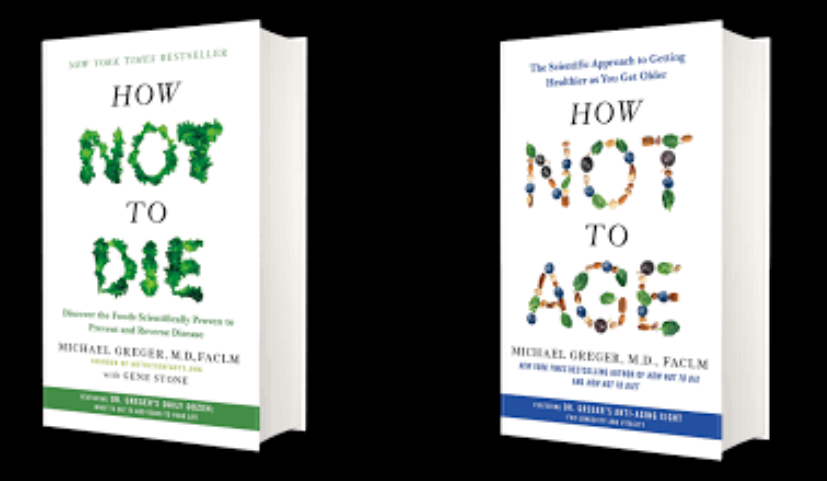
  • Book Comparison of “How Not to Age” and “How Not to Die” by Dr. Michael Greger

    Book Comparison of “How Not to Age” and “How Not to Die” by Dr. Michael Greger


    Dr. Michael Greger, renowned physician, nutritionist, and founder of NutritionFacts.org, has gifted us with two transformative books: How Not to Die (2015) and its recent counterpart, How Not to Age (2023). Both books are rich with evidence-based insights, practical tips, and the empowering message that we can take charge of our health through informed lifestyle choices. While they share some core principles, their focus, tone, and scope differ in meaningful ways. Here is a comparative review to help you determine if and how these books could fit into your wellness journey.

    Focus and Central Premise

    How Not to Die: This book centers on preventing and reversing chronic diseases, such as heart disease, diabetes, cancer, and more. Dr. Greger explores how dietary and lifestyle changes can address the leading causes of premature death. Each chapter focuses on a specific disease, offering a deep dive into its causes and the role of nutrition in prevention and management.

    How Not to Age: In contrast, How Not to Age tackles the science of aging and longevity. Dr. Greger investigates what drives the aging process at a cellular and systemic level, sharing strategies to slow it down. The book combines cutting-edge research on lifespan and healthspan with practical advice on how to extend both. Aging here is presented as a malleable process, not just an inevitable one.

    Writing Style and Tone

    How Not to Die: The tone is urgent yet optimistic. Dr. Greger’s passion for public health shines through as he methodically builds the case for a whole-food, plant-based diet. The book includes vivid case studies and actionable tips, making it accessible to anyone. 

    How Not to Age: While still engaging, the tone in How Not to Age feels more scientific and forward-looking. There’s a heavier emphasis on experimental research. The book does retain Dr. Greger’s characteristic wit but definitely leans more into complex biology.

    Structure and Organization

    How Not to Die: The book is neatly divided into two parts. The first addresses the top killers in Western societies, while the second outlines Dr. Greger’s Daily Dozen checklist—a practical guide to incorporating key health-promoting habits and foods into daily life. This structure is straightforward and user-friendly, especially for people eager to implement changes.

    How Not to Age: This book is organized into thematic sections, covering topics such as cellular repair, mitochondrial function, inflammation, and longevity-promoting diets. While it’s equally well-researched, the structure is denser, reflecting the complexity of aging science. The inclusion of speculative but promising future therapies may intrigue some people but could feel overwhelming to others.

    Practical Takeaways

    How Not to Die: Offers immediately actionable advice grounded in everyday choices. The Daily Dozen simplifies healthy living into manageable steps, making it a great starting point for those new to lifestyle medicine.

    How Not to Age: While practical advice is woven throughout, some recommendations—like fasting regimens or adopting advanced supplements—might feel more advanced. 

    Who Should Read These Books?

    How Not to Die: Ideal for those looking to prevent or reverse chronic diseases, especially if you’re at the beginning of your health journey. It’s perfect for people who want clear, actionable guidance with a strong focus on diet and lifestyle.

    How Not to Age: Best suited for readers interested in longevity and advanced health optimization. Those already familiar with Dr. Greger’s foundational principles may find this a natural progression into more specialized territory.

    Final Thoughts

    While How Not to Die and How Not to Age share a common mission—to help readers lead longer, healthier lives—their approaches diverge significantly. For those seeking immediate, practical tips, How Not to Die is the more approachable choice. Its clear structure and actionable advice make it perfect for anyone wanting to implement healthier habits right away. On the other hand, How Not to Age delves deeply into the science of longevity, which, while fascinating, can feel dense and heavy at times. Readers who enjoy exploring detailed research or are already familiar with foundational health principles may find it rewarding but should be prepared for a more demanding read.

    If you’re just starting your health journey or want simple steps to improve your day-to-day well-being, begin with How Not to Die. For those interested in cutting-edge longevity science and willing to invest more time, How Not to Age offers a compelling next step. Both books, however, are invaluable additions to anyone’s wellness library.