Author: Peggy

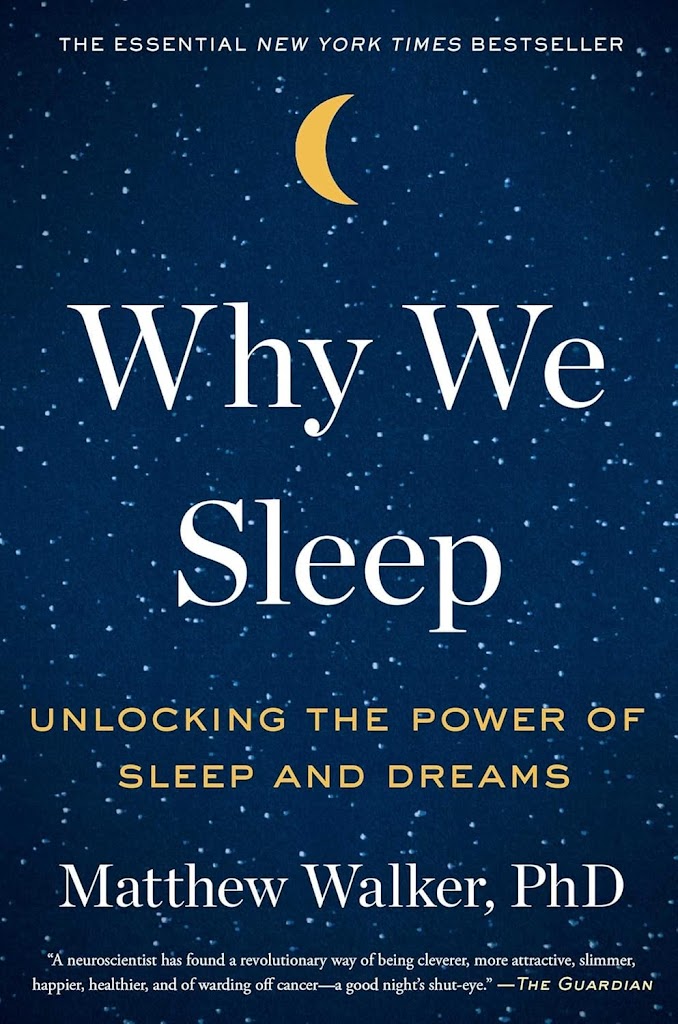
  • Book Review: Why We Sleep by Matthew Walker

    Book Review: Why We Sleep by Matthew Walker

    If you’ve ever wondered how sleep impacts every facet of your life, Why We Sleep by Matthew Walker is a must-read. Walker, a renowned neuroscientist, explores the fascinating science behind sleep and its profound effects on our health, productivity, and longevity. From improving memory to boosting the immune system, this book convincingly demonstrates why prioritizing sleep is essential for overall well-being.

    I found it to be an eye-opening and highly accessible read—perfect for anyone looking to understand and optimize this vital yet often neglected part of life. Whether you’re a health professional or simply someone aiming for a better night’s rest, this book will change how you think about sleep.

    If listening to podcasts in more your thing, be sure to check out the six-part Huberman Lab series featuring Matthew Walker.

    Both are highly recommended!

  • 🛒 Do you read nutrition labels? 🛒

    🛒 Do you read nutrition labels? 🛒

    Reading a nutrition label can feel overwhelming, but it’s key for making choices that help manage blood sugar, support gut health, and keep you feeling your best. Here’s a quick guide on what to look for:

    1️⃣ Serving Size:
    This is your foundation. All values on the label apply to the listed serving size. If you double the portion, you’re doubling everything—calories, fibre, sodium, etc.

    2️⃣ Fibre:
    Fibre feeds the good bacteria in your gut and helps regulate blood sugar.
    Look for:

    • Very high source of fibre”: 6g or more per serving.

    • High source of fibre”: 4g or more per serving.

    3️⃣ Sugars & Added Sugars:
    Excess sugar can cause blood sugar spikes and upset gut balance. Aim for:

    • Low in sugar”: 5g or less of total sugar per serving (includes natural and added sugars).

    • No added sugars”: The food contains no added sugars-based ingredients or ingredients containing sugars-based ingredients. 

    4️⃣ Ingredients List:
    Shorter is better! Opt for foods with simple, whole-food ingredients like whole grains, fruits, and vegetables. Avoid additives like high-fructose corn syrup and hydrogenated oils.

    5️⃣ Sodium:
    Keep sodium low to support gut health and manage blood pressure. Choose foods more often with 5% Daily Value or lower.  

    6️⃣ Fats:
    Healthy fats are essential for hormone and brain function.

    • Choose unsaturated fats (e.g., olive oil, nuts, seeds).

    • Limit saturated fats (e.g., butter, coconut oil, fatty meats).

    • Always avoid products with “partially hydrogenated oils,” which can contain trace trans fats.

    Taking a few extra seconds to read labels can make a big difference! Start small by checking a few of these items next time you shop, and soon it’ll become second nature.


    Photo by Kampus Production

  • Vitamin D: The Sunshine Vitamin!

    Vitamin D: The Sunshine Vitamin!

    Did you know that Vitamin D isn’t just a vitamin? It acts like a hormone in the body and is essential for many health processes.
    🔹 What is Vitamin D?
    A fat-soluble vitamin that our bodies produce when exposed to sunlight. It’s essential for bone health, immune support, muscle function, brain cell activity, and more. It helps our bodies absorb calcium and phosphorus, keeping our bones strong and reducing the risk of osteoporosis.
    🔹 Why is it Important?
    Adequate levels are linked to improved immune function, mood balance, and even reduced inflammation. It’s also shown to play a role in reducing the risk of some chronic diseases and autoimmune conditions.
    🔹 Factors That Can Reduce Vitamin D Production include:
    • Limited Sun Exposure: Living in northern climates or spending a lot of time indoors.
    • Time of Year: In Canada, the sun isn’t strong enough from October to April to produce sufficient vitamin D.
    • Age: As we age, our skin becomes less efficient at synthesizing vitamin D.
    • Skin Tone: People with darker skin have more melanin, which reduces the skin’s ability to produce vitamin D from sunlight.
    • Sunscreen Use: While sunscreen is important for protecting skin, it also blocks vitamin D production.
    🔹 Food Sources of Vitamin D
    Getting enough vitamin D from food can be challenging, but you can find it in:
    Fatty fish like salmon, mackerel, and sardines, egg yolks, fortified foods like plant-based milk, dairy, and orange juice, and mushrooms exposed to sunlight or UV light.
    🔹 Should You Consider a Supplement?
    Most people do not get the recommended amount of vitamin D from the foods they eat. If you live in a colder climate or don’t get much sunlight—especially in the winter—a supplement may be essential. Those at higher risk of deficiency include older adults (50+), people with darker skin tones, and individuals with digestive conditions that affect nutrient absorption, like IBS.
     
    Check out this site for easy to understand recommendations.


    Photo by Anna Shvets
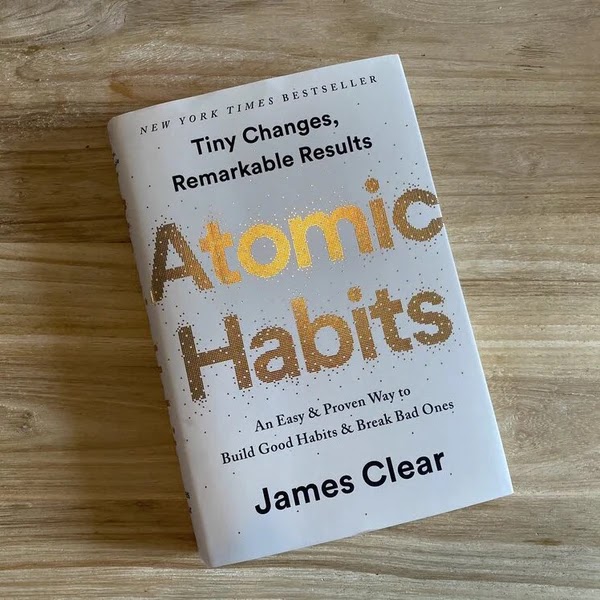
  • Book Review: Atomic Habits by James Clear

    Book Review: Atomic Habits by James Clear


    Atomic Habits by James Clear is an insightful and practical guide to understanding and improving our daily habits. Clear’s approach combines research from psychology and behavioural science to offer a clear, actionable framework for creating positive, lasting changes in our lives.

    The book introduces the concept of “atomic habits”—tiny adjustments in behaviour that lead to remarkable, long-term results. Clear argues that focusing on small, 1% improvements can compound into transformative outcomes. He uses the metaphor of “compound interest” to explain how these minor habits can have a significant impact over time. This perspective is both refreshing and empowering, making the process of habit change feel manageable and within reach.

    Clear breaks down his system into four laws of behaviour change: Make it obvious, make it attractive, make it easy, and make it satisfying. These four principles serve as a roadmap, guiding readers through each step of habit formation or disruption. Clear’s practical examples—whether it’s building a habit of reading more books, exercising regularly, or improving productivity—make the advice relatable and easy to apply.

    One standout feature of Atomic Habits is Clear’s use of real-life stories to illustrate how even tiny adjustments can produce substantial life shifts. From Olympic athletes to business leaders, he shows how high achievers use small habits to build remarkable success. His storytelling makes the concepts come alive, allowing readers to visualize how the techniques could fit into their own lives.

    A particularly valuable insight in Atomic Habits is the importance of focusing on systems over goals. Clear argues that while goals set a direction, systems keep us on track daily. This shift in perspective encourages readers to find joy in the journey and take satisfaction in small wins.

    Overall, Atomic Habits is an essential read for anyone looking to make positive changes in their personal or professional life. Clear’s methods are simple yet profound, and they offer a powerful antidote to the discouragement often associated with failed resolutions or overwhelming goals. This book is both motivational and deeply practical, making it a highly recommended resource for readers seeking lasting transformation.

  • Movember & Men’s Health: Nourish Your Body for a Stronger Future!

    Movember & Men’s Health: Nourish Your Body for a Stronger Future!


    Movember is here, a month dedicated to raising awareness about men’s health, from mental well-being to physical fitness. One powerful way to support health as a man ages is through nutrition. Small changes in what we eat can make a huge difference in reducing the risk of chronic diseases like heart disease, diabetes, and even some cancers.

    Here are a few nutrition tips to fuel health this Movember:

    Fuel Up on Fibre 🌾
    High-fibre foods like oats, beans, and vegetables are great for digestion and heart health. Fibre-rich foods also help maintain steady blood sugar levels, which is key for preventing diabetes and supporting gut health.

    Prioritize Lean Protein Especially Plant Protein 🥩
    Protein helps maintain muscle mass as we age. Opt for lean sources like legumes, tofu, poultry, or fish. Fish rich in omega-3s, like salmon, is especially beneficial for heart health.

    Focus on Healthy Fats 🥑
    Incorporate healthy fats from sources like olive oil, avocado, nuts and seeds. These fats support brain health, hormone balance, and heart function.

    Support Mental Health with Antioxidants 🫐
    A diet rich in antioxidants from colourful fruits and veggies helps protect brain cells, supporting cognitive health and mood stability. Leafy greens, berries, and citrus fruits are great choices.

    Stay Hydrated 💧
    Drinking enough water is essential for energy, digestion, and mental clarity. Aim for at least 8 cups a day and adjust based on your activity level.

    Making mindful food choices can go a long way in supporting men’s health during Movember and beyond. Embrace a balanced, whole-foods-based diet to protect and enhance your health, one meal at a time!

  • What Are GMOs and Why Should You Avoid Them?

    What Are GMOs and Why Should You Avoid Them?

    What Are GMOs?

    GMOs, or Genetically Modified Organisms, are living organisms whose DNA has been artificially altered in a lab. This is done to make them more resistant to pests, diseases, or environmental conditions. They might sound like something from a science fiction movie, but GMOs are in many of the foods we eat today.

    Why Should You Care?

    Environmental Impact
    GMOs harm our planet. They often lead to an increase in herbicide use, which pollutes water, degrades soil, and destroys natural habitats.Uncertainty About Health
    This increased use of herbicides has been linked to certain illnesses like cancer and Parkinson’s disease.

    Not a precise science
    Making a GMO plant is not a precise science. Scientists cannot be sure that the gene is going to do what they are expecting.

    Lack of Transparency
    In Canada, many GMO products aren’t labeled, so you may not know if you’re eating them.

    How to Avoid GMOs

    Buy Organic: Organic foods are free of synthetic pesticides, fertilizers, and GMOs.

    Look for Non-GMO Project Verified Labels: These labels indicate that the product has been tested and found to be GMO-free.

    Grow Your Own Produce: Start a garden with non-GMO seeds to ensure your food is fresh and healthy.

    Shop: At local farms or farmer’s markets.

    Avoid eating processed foods: 75% of all processed foods have GMO ingredients.

    Food should nourish, not create uncertainty. By avoiding GMOs, you’re choosing health, protecting the environment, and supporting a fair food system. Let’s cultivate a healthier world, one meal at a time.
    Say NO to GMOs!

    Photo by Mikhail Nilov

  • Recipe:  Double Chocolate Cookies

    Recipe: Double Chocolate Cookies


    I realize this one is a bit different as the base is made with kidney beans.  The recipe came about because I had a cup of beans which needed to be used up and I also felt like something sweet not savoury.  Over the past few months, I’ve been tweaking things and this is the final result.  It’s surprisingly good!

    Double Chocolate Cookies

    Makes 24 cookies

    Ingredients

    1 cup kidney beans

    1 cup dates (softened in hot water for 10 minutes if hard)

    1 large banana

    3 tbsp ground flax seeds

    3 tbsp hemp hearts

    1/3 cup cacao (or cocoa)

    1/2 quinoa flour 

    1/3 cup chocolate chips (or sub chopped nuts, goji berries, cacao nibs, etc.)

    Instructions

    Preheat oven to 350 degrees and line a baking sheet with parchment paper or a silicone baking mat.

    Using a food processor, combine the kidney beans and dates together and blend until fairly uniform, scraping down the sides as needed.

    Add the banana and process until smooth.

    Next, add in the flax seeds and hemp hearts, blend well.

    Pulse in the cacao powder.

    Remove the bowl from the machine and stir in the chocolate chips.

    Drop cookies using two teaspoons onto baking sheet. Flatten in a crisscross pattern using a damp fork.

    Bake for 9-10 minutes.

    Tip: To vary the sweeten of this recipe, try different dates.  I used sayer dates but medjool dates would yield a sweeter cookie.  

    Benefits:  This cookie is a good source of fibre and contains iron and protein along with healthy fats.  

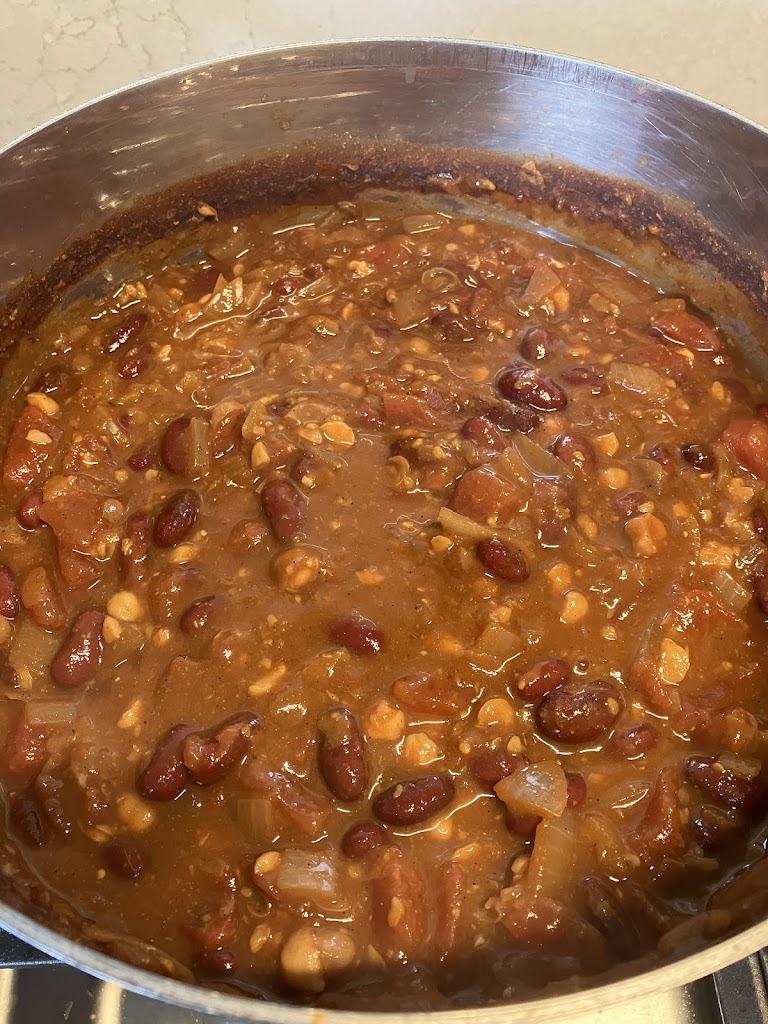
  • Recipe: Vegan Bean Chili

    Recipe: Vegan Bean Chili


    Made a big pot of bean chili mostly following this recipe on @seriouseats

    My modifications were: I water sautéed the onions instead of using oil, switched the soy sauce for tamari and used miso instead of the marmite.