Author: Peggy

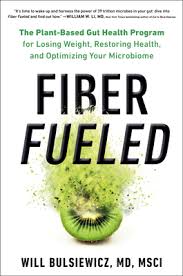
  • Book Review: Fiber Fueled by Dr. Will Bulsiewicz

    Book Review: Fiber Fueled by Dr. Will Bulsiewicz

    I absolutely love this book and would recommend it to everyone. Dr. Will Bulsiewicz (a.k.a. Dr. B) is a gastroenterologist, but he’s also incredibly approachable. I’ve followed him over the years and genuinely appreciate his knowledge, compassion, and sense of humour. Nearly half the book is recipes, so don’t be intimidated, this is an easy, engaging, and entertaining read.

    The book is thoughtfully structured into three parts, each building on the last:

    • Part 1: Knowledge is Power
    • Part 2: The Fiber Fueled Approach
    • Part 3: The Fiber Fueled Plan

    Part 1: Knowledge is Power

    This section dives deep into gut microbiota. Did you know there may be up to 36,000 species of bacteria living in your gut? The key to a healthy gut is diversity. When the gut microbiome is imbalanced, it can contribute to a range of diseases. Dr. B discusses symptoms of a damaged gut, some expected (gas, bloating, abdominal pain), and others surprising (anxiousness, sinus congestion, bad breath).

    He explores how the gut is essential to immune function and connects it to metabolic conditions (like obesity, type 2 diabetes, pancreatitis), hormonal conditions (endometriosis, sexual dysfunction, breast cancer), and neuropsychiatric conditions (Alzheimer’s, Parkinson’s, fibromyalgia, depression).

    Dr. B. explains how our modern lifestyle, marked by being overfed, undernourished, and hyper-medicated, is damaging our health. He critiques the Standard American Diet (SAD) for its excess of sugar, refined carbs, salt, preservatives, additives, artificial sweeteners, unhealthy fats, animal protein, and fad diets.

    He also takes a deep dive into fiber and short-chain fatty acids (SCFAs), explaining their powerful role in protecting against disease.

    Part 2: The Fiber Fueled Approach

    This section focuses on how to heal your gut by increasing fiber intake. For those who struggle with fiber digestion, there’s a full chapter dedicated to overcoming food sensitivities and intolerances. Fermented foods are another key element of gut healing.

    Dr. B also breaks down the gut health essentials: prebiotics, probiotics, and postbiotics. To make it easier to remember what to eat, he introduces a simple acronym: F-GOALS

    • F: Fruit & Fermented
    • G: Greens & Grains
    • O: Omega-3 Super Seeds
    • A: Aromatics (onions, garlic)
    • L: Legumes
    • S: Sulforaphane (broccoli sprouts & cruciferous veggies)

    Part 3: The Fiber Fueled Plan

    The final section lays out a practical, approachable plan to put the knowledge into action. It includes easy and tasty recipes to help you start your journey toward better health.

    This book is amazing—it provides both the “why” and the “how” behind the plan, which is key to lasting change.

    If you’re living with GI issues or chronic disease and haven’t read Fiber Fueled, get yourself a copy now. You won’t be disappointed, and you’ll be well on your way to better health. And if you ever get the chance to hear Dr. Bulsiewicz speak, don’t miss it—he’s down-to-earth, knowledgeable, and truly inspiring.
  • Mental Health Awareness Month – May 2025 News

    Mental Health Awareness Month – May 2025 News

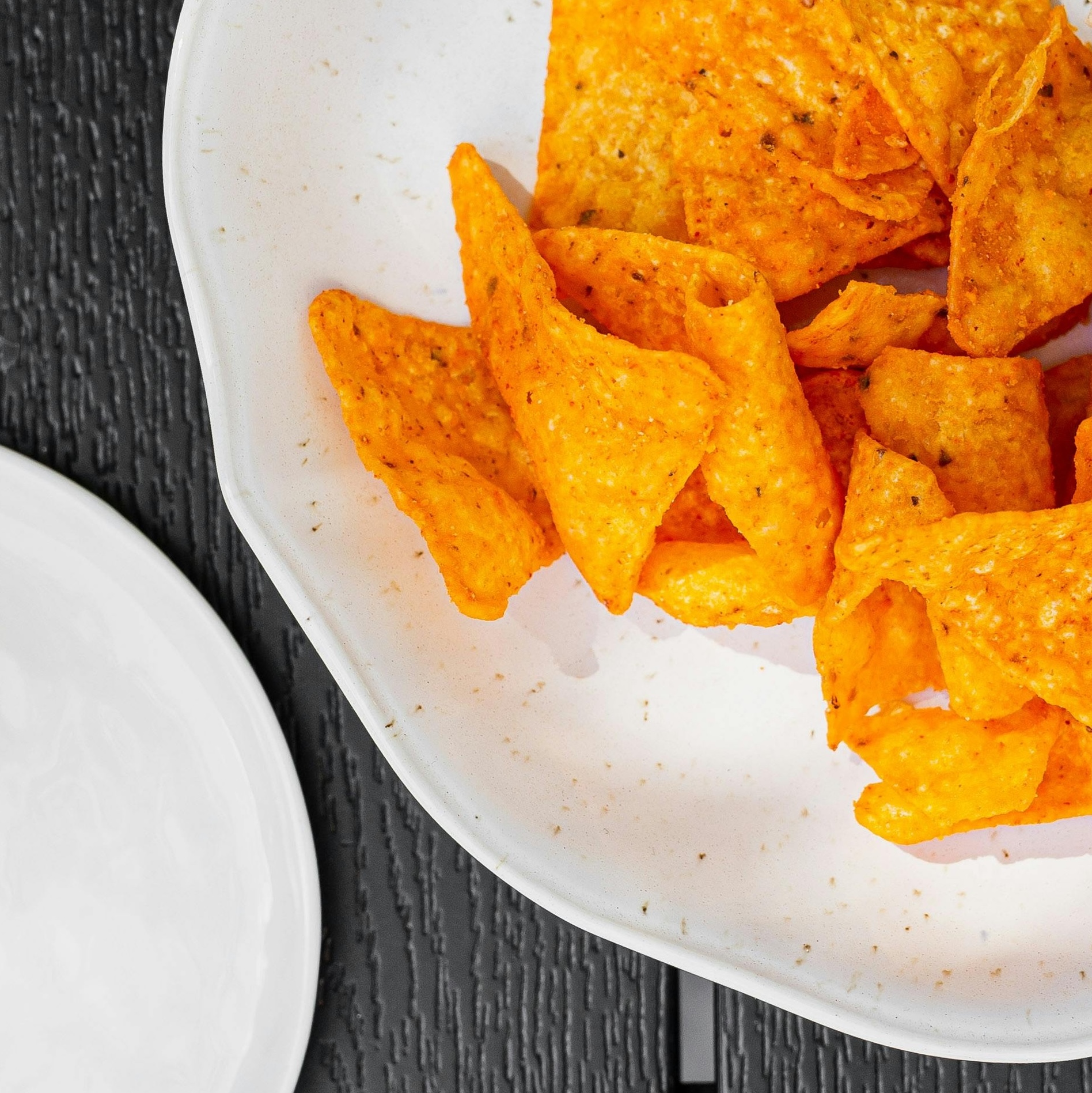
    May is Mental Health Awareness Month. Check out my latest newsletter for the answer to: “What Do Doritos Have to Do with Mental Health?”

  • Coconut Steel Cut Oats

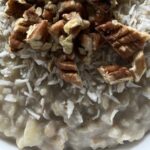
    Coconut Steel Cut Oats

    Coconut Steel Cut Oats

    Makes 4-6 servings

    Ingredients

    • 1 can coconut milk
    • 1 2/3 cups soy milk 400 ml, same as the can of coconut milk
    • 1 cup steel cut oats
    • 2 bananas mashed

    Instructions

    • In a medium saucepan, bring the coconut milk and soy milk to a boil.
    • Add the steel cut oats, reduce the heat to low, and simmer gently, uncovered, for 20 minutes, stirring occasionally.
    • Stir in the mashed bananas and cook for an additional 5 minutes, or until the desired consistency is reached.
  • Book Review: The Dorito Effect: The Surprising New Truth About Food and Flavor by Mark Schatzker

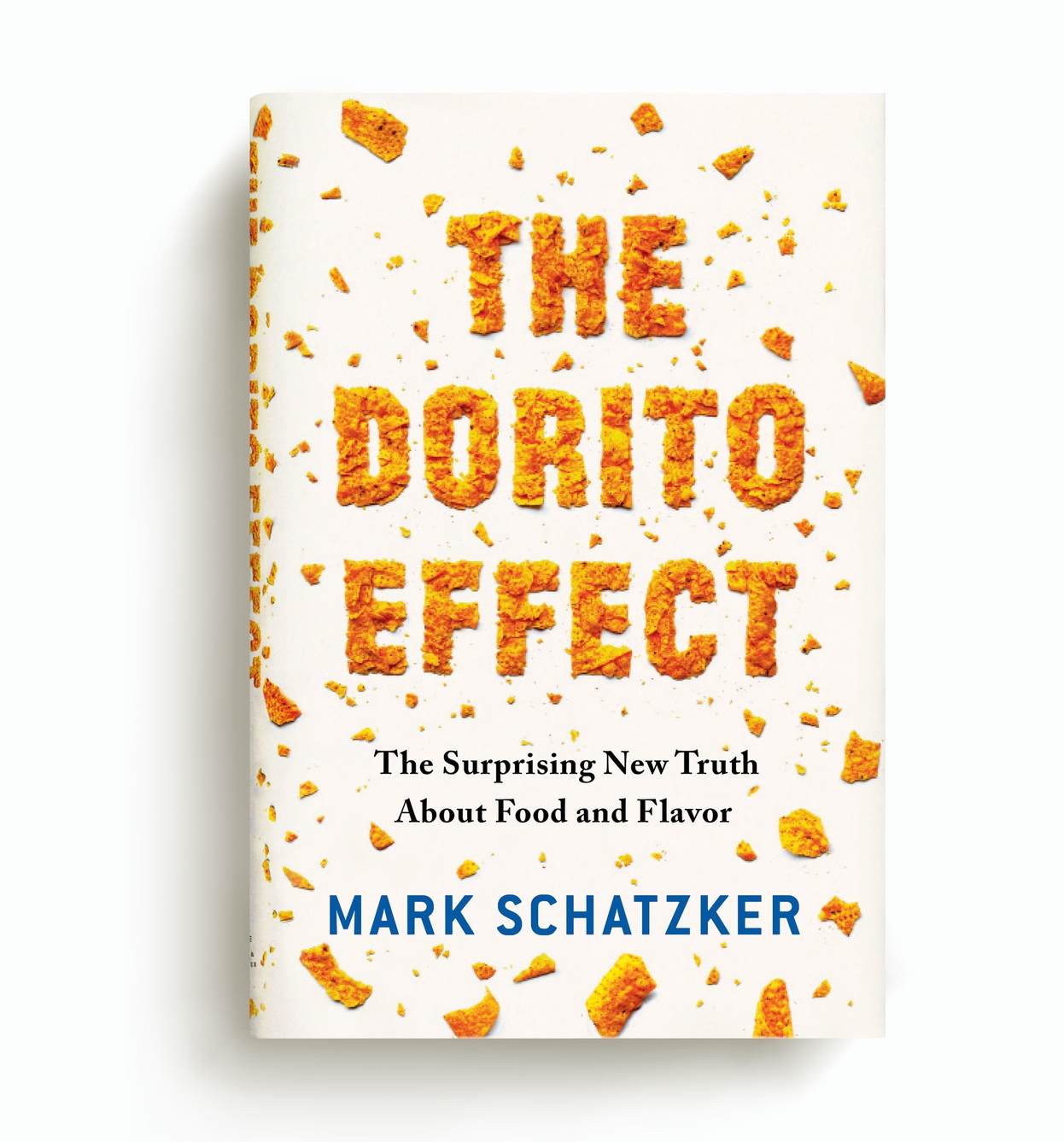
    Book Review: The Dorito Effect: The Surprising New Truth About Food and Flavor by Mark Schatzker

    Is natural flavor actually natural? Quick—yes or no…or maybe?  Or is this a trick question?

    I’m not sure how The Dorito Effect ended up on my reading list (it came out back in 2015), but I’m glad it did. It’s an interesting dive into the world of flavor and how the food industry has quietly changed the way we eat. As someone who follows a whole-food, plant-based diet, I’ll admit the parts about chicken—especially fried chicken—didn’t do much for me. But the sections on tomatoes, and vanilla and its synthetic counterpart vanillin? Those really stuck. I mean, there’s nothing like real vanilla or a sun-ripened heirloom tomato picked right off the vine. Compared to that, supermarket tomatoes are just… sad and bland.

    Schatzker’s main idea—what he calls The Dorito Effect—is that over the past handful of decades, real food has lost its natural flavor thanks to industrial farming. To make up for it, food companies started adding artificial flavorings to make bland food taste exciting. This messes with our natural instincts to choose foods based on what our bodies need. Basically, we’re being tricked into eating more and enjoying it less.

    He traces the start of all this back to the 1960s, when Frito-Lay launched taco-flavored Doritos. They tasted like tacos but had none of the real ingredients. It was a marketing hit—and a major turning point. Suddenly, taste didn’t need to come from real food anymore. Flavor could be engineered. And once that door opened, the food industry ran with it.

    One of the most interesting concepts in the book is “nutritional wisdom”—the idea that humans (and animals) have an instinct for choosing the foods our bodies need. But when everything is artificially flavored, our instincts don’t work the way they’re supposed to. That’s how we end up craving nutrient-poor junk food that’s been engineered to taste amazing.

    Schatzker outlines how fake flavors mess with us:

    • Dilution: Real food becomes bland, so we stop wanting it.
    • Nutritional Decapitation: When we isolate flavor from real ingredients, we lose the nutrition that should come with it.
    • False Variety: Fake flavors make similar processed foods seem more diverse than they actually are.
    • Cognitive Deception: Our minds get fooled—like when strawberry yogurt tastes like strawberries but doesn’t contain any.
    • Emotional Deception: Flavor tech targets the part of our brain that experiences feelings.
    • Flavor-Nutrient Confusion: Artificial flavors create expectations that real food can’t meet.

    Schatzker makes a strong case that this manipulation of flavor plays a big role in the obesity epidemic and related health issues. We’re eating more but getting less nutrition, and our taste buds—and brains—are confused.

    He ultimately argues for going back to real, flavorful food. Eat things that are naturally delicious and you won’t need to fake it with additives. For both health and enjoyment, that’s the way forward.

    So, back to the original question: are natural flavors actually natural? Turns out, not really. They start from natural sources, but by the time they’ve been processed in a lab and blended into food, they’re far from what nature intended. Their job is to make things taste good—not to nourish us. That’s why Schatzker (and I) recommend reading ingredient labels closely.

    The Dorito Effect is an eye-opening read if you’re curious about nutrition, food science, or why modern food tastes the way it does. It might not appeal to everyone, but if flavor and health matter to you, it’s well worth your time.

  • Nutty Oat Bliss Balls

    Nutty Oat Bliss Balls

    Nutty Oat Bliss Balls

    Sometimes, we all need a little bliss—and these no-bake bliss balls deliver just that. Packed with wholesome ingredients and naturally sweetened, they’re the perfect bite-sized treat to satisfy your sweet snack craving.

    Ingredients

    • 1 cup pitted dates Medjool preferred
    • 1/2 cup pecans
    • 1/2 cup walnuts
    • 1/2 cup unsweetened shredded coconut
    • 1/2 cup peanut butter
    • 1 cup oats
    • 1/4 cup ground flax seed
    • 1/3 cup soy milk or other plant-based milk
    • 1 tsp vanilla extract
    • 2 ozs dark chocolate chopped

    Instructions

    • In the bowl of a food processor, add the pitted dates and nuts. Process until the mixture is broken down into small pieces and becomes sticky.
    • Add the coconut, peanut butter, oats, flaxseed, and vanilla. Process again until the mixture looks uniform.
    • Add the soy milk and continue processing until the mixture comes together—it should be moist and hold its shape. Add more milk if needed to achieve this consistency.
    • Remove the blade and stir in the chocolate chunks.
    • Roll the mixture into 1-inch balls and place them on a parchment-lined plate. If desired, coat the balls in a topping such as cacao powder or shredded coconut. Refrigerate for about 1 hour, or until firm.

    Notes

    Leftovers: These can be stored in the fridge for up to two weeks or frozen for up to 3 months
    Add-ons: Instead of the dark chocolate chunks, feel free to sub 1/3 cup chocolate chips or goji berries or dried mulberries.
  • National Oral Health Month – April 2025 News

    National Oral Health Month – April 2025 News

    April is National Oral Health Month. Check out my newsletter for oral health tips and more!

  • Book Review: Plant-Powered Protein by Brenda Davis, Vesanto Melina, and Cory Davis

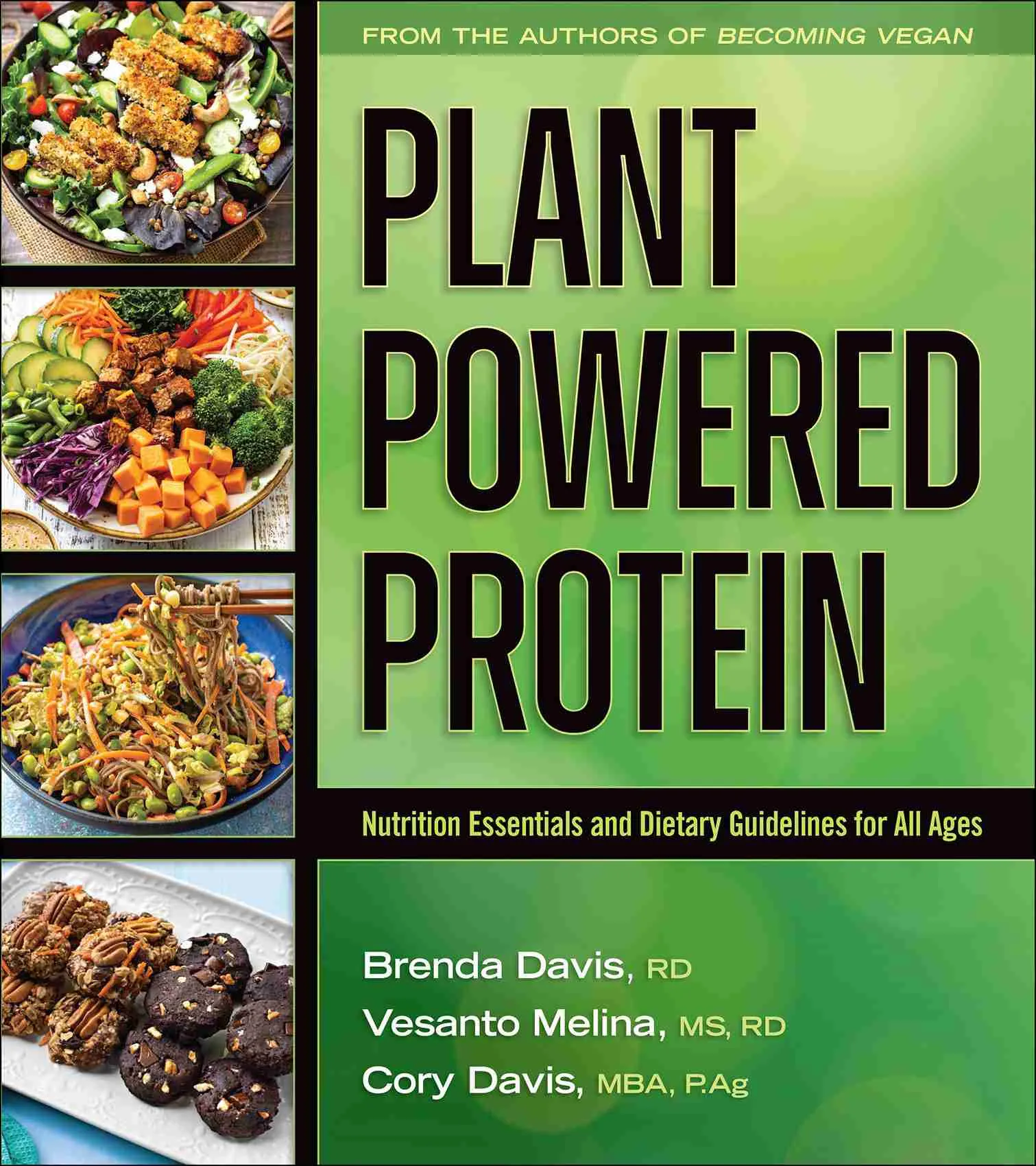
    Book Review: Plant-Powered Protein by Brenda Davis, Vesanto Melina, and Cory Davis

    If you’re vegetarian, vegan, or simply looking to add more plant-based meals to your plate, Plant-Powered Protein is a must-have resource. Written by renowned Canadian dietitians Brenda Davis and Vesanto Melina, along with Cory Davis, this book is equal parts nutritional textbook and practical cookbook — and that’s exactly what makes it so valuable.

    What I love about this book is how it blends solid, evidence-based nutrition information with approachable, delicious recipes. It answers one of the most common questions in plant-based eating — “But where do you get your protein?” — with clarity, science, and reassurance. You’ll find detailed explanations on protein needs across the lifespan, guidance on plant-based sources, and tips for building balanced, satisfying meals.

    Whether you’re new to plant-based eating or have been on this journey for years, this book offers something for everyone. It’s empowering, practical, and deeply informative — and it deserves a spot on your kitchen shelf.

  • Baked Tofu

    Baked Tofu

    Baked Tofu

    This is one of my basic recipes and I usually make some form of it every week. It is so versatile and can be used in so many dishes or eaten as is straight out of the oven. I often roast yam slices along with the tofu for my first meal and then make tacos out of the leftover tofu. Feel free to experiment with whatever seasonings you prefer!

    Ingredients

    • 1 block of tofu drained (I usually use firm or extra firm but medium also works although the cubes become more like bits which get even crispier!)
    • 2 Tbsp tamari
    • 2 Tbsp cornstarch
    • 1 tsp garlic powder
    • 1 tsp cajun seasoning
    • 1/2 tsp cumin
    • 1/2 tsp chipotle chili powder

    Instructions

    • Preheat oven to 425 degrees (or 400 degrees convection) and line a baking sheet with parchment paper.
    • Cut the tofu into slabs and arrange on a clean kitchen towel or layers of paper towel. Gently apply pressure to remove any moisture. This will help the tofu to brown and get crispy.
    • Cut the slabs into cubes and place in a bowl.
    • Add the tamari and toss to coat the cubes.
    • Add the cornstarch and seasonings. Toss again until all the cubes are evenly coated.
    • Spread the cubes out in a single layer on the baking sheet.
    • Bake in the oven for about 20 minutes until golden and crisp, turning once.

    Notes

    If you want crispier tofu, you can spray the cubes with a little cooking oil prior to putting them in the oven.
    Benefits: Tofu is my favourite protein source as there are so many varieties and textures. It can be used in so many ways. Tofu provides key micronutrients like manganese, calcium, vitamin B6, riboflavin, thiamine, vitamin K and selenium. Tofu is low in calories, with about 70 calories in 100 grams.
  • Basic Chia Pudding

    Basic Chia Pudding

    Basic Chia Pudding

    This is my most requested recipe. Enjoy!
    Makes 2 servings, can be easily doubled and stored in the fridge for up to 4 days
    This is my very basic recipe so be creative about add-ins. The possibilities are endless!
    Servings 2 servings

    Ingredients

    • ¼ cup chia seeds
    • 1 cup almond or other plant based milk
    • 1 tsp maple syrup or honey optional
    • 1 tbsp ground flax seeds
    • 1 tsp cinnamon

    Optional Add-ins

    • 1 tsp pure vanilla extract
    • ½ tsp nutmeg
    • 1 tsp maca powder
    • 1 tbsp cacao powder
    • 1 tsp spirulina powder
    • 1 tbsp poppy seeds

    Instructions

    • In a medium bowl, whisk to combine chia seeds, milk, sweetener, flax seeds, and cinnamon.
    • Cover and refrigerate until thick, about 2 hours or overnight, giving it a stir once or twice.
    • Top with fruit and pumpkin seeds and/or nuts.

    Notes

    Benefits: Chia seeds pack a super nutrient punch. They contain a large amount of fiber, protein and omega-3 fatty acids as well as many essential minerals and antioxidants. They may help improve digestive health, lower blood pressure, and improve blood sugar control.
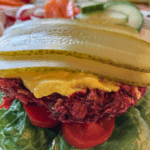
  • BB Burgers

    BB Burgers

    BB Burgers

    Ingredients

    • 1 cup grated beets loosely packed
    • 1 can 540 ml kidney beans, drained (save the aquafaba for mung bean omelettes)
    • 1/2 large onion chopped
    • 2 cloves garlic minced
    • 1/4 cup ground flax seeds
    • 1/2 tsp cumin
    • 1/2 tsp smoked paprika
    • 1/4 tsp cayenne pepper optional
    • 1/2 tsp freshly ground pepper
    • 1/2 cup walnuts chopped

    Instructions

    • Heat the oven to 375°F.
    • In a food processor, combine all the ingredients except the walnuts, processing until well combined but not completely uniform. You want some different textures. Remove the bowl from the processor and stir in the walnuts by hand.
    • Prepare a baking sheet with parchment paper. Pat the mixture into 6-8 patties and place on the baking sheet. Wet hands occasionally if the mixture is sticking to your hands.
    • Bake in the oven for 30 minutes, turning carefully at 20 minutes. The patties will be very soft until completely baked. Patties are cooked when golden in colour and crispy on the outside but they will still be fairly delicate.
    • Serve in a bun or a lettuce leaf. Top with your favourite condiments.

    Notes

    Patties freeze well for a couple of months. I usually warm them up in a fry pan on the stove or in the toaster oven.