Author: wpadmin

  • 2026/05/12: From Farm to Fork – A Spring Harvest Dinner

    2026/05/12: From Farm to Fork – A Spring Harvest Dinner

    Cook with the best of Vancouver Island’s spring bounty in this whole-food plant-based, gluten-free class. Using fresh seasonal produce, you’ll create a complete dinner: salad, sides, plant protein, and dessert. The final menu will be inspired by whatever looks freshest the week before class. Come cook, taste, and celebrate the flavours of spring!

    North Saanich Middle School, 10400 McDonald Park Rd.

    Tues May 12, 2026 6-9:00pm $110

    Register through Panorama Rec

  • Fibre in the Spotlight: A Refreshing Shift After All the Protein Hype

    Fibre in the Spotlight: A Refreshing Shift After All the Protein Hype

    I recently came across a BBC article titled “Is fibre the new protein? The surprising health benefits of the latest wellness trend” and I have to say, it made me genuinely excited to see fibre finally getting some well-deserved mainstream attention.

    After years of protein being the star of the nutrition world (protein bars, protein coffee, protein everything!), it’s refreshing to see the conversation shift toward fibre, a nutrient that quietly supports gut health, blood sugar balance, immunity, and even mental wellbeing. This isn’t just another social media trend; it’s backed by decades of research.

    Most adults are encouraged to aim for around 30 grams of fibre per day, yet the average intake is closer to half that. With modern diets leaning heavily toward ultra-processed foods, it’s no surprise fibre has been left behind.

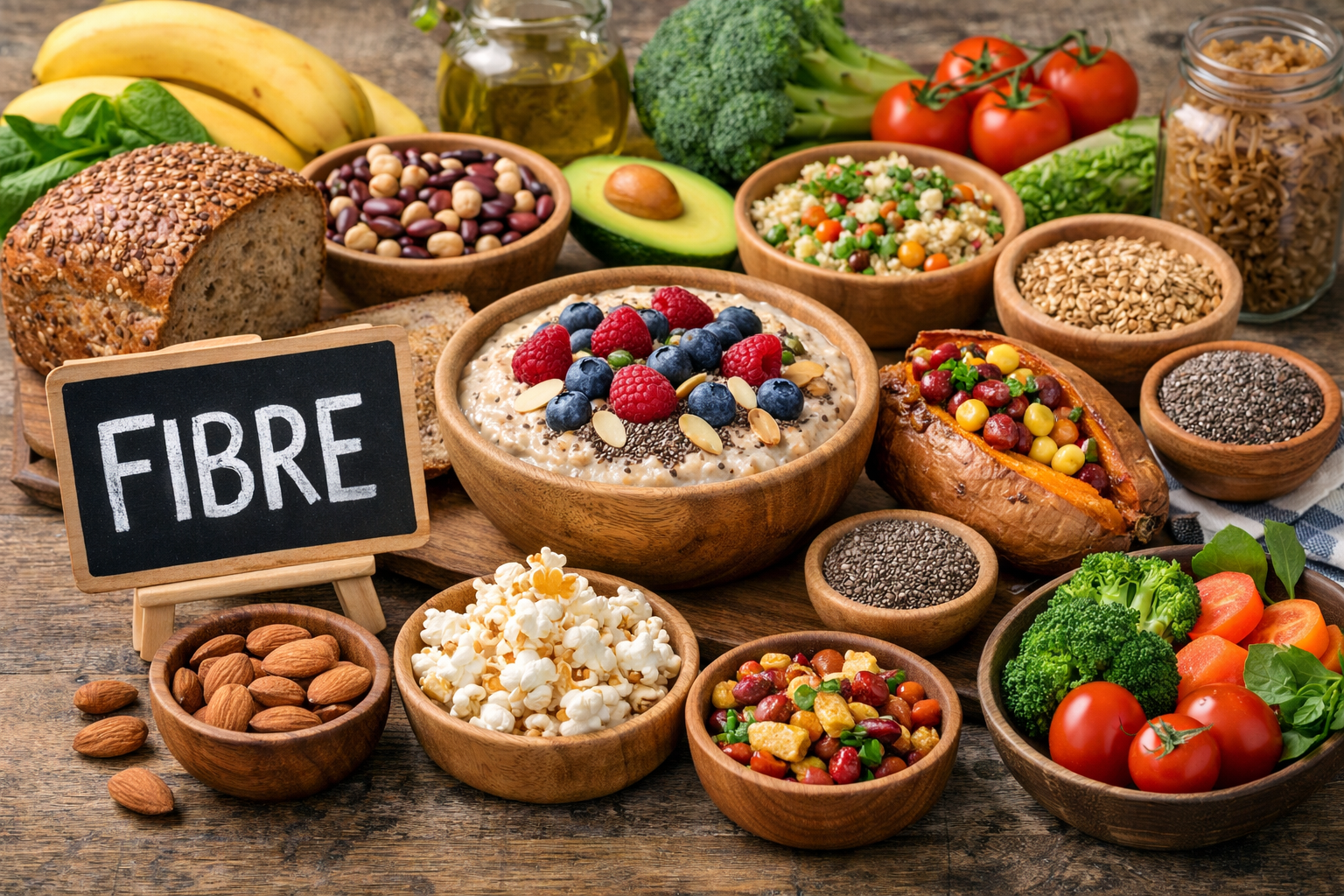
    Fibre comes from plant foods, fruits, vegetables, whole grains, beans, lentils, nuts, and seeds. While many people associate fibre mainly with digestion, it does far more.

    Different types of fibre play different roles:

    • Some fibres feed beneficial gut bacteria, strengthening the microbiome
    • Others help keep digestion moving smoothly
    • Certain fibres slow sugar absorption, helping stabilize blood sugar and cholesterol

    Research consistently links higher fibre intake with lower risk of heart disease, type 2 diabetes, and some cancers. There’s also growing evidence of fibre’s role in mental health through the gut–brain connection. From a gut health perspective, fibre acts as a prebiotic, nourishing the beneficial bacteria that support digestion, immunity, and mood.

    Fibre hasn’t always been a headline nutrient. Unlike protein, it was never marketed as exciting. At the same time, convenience foods replaced whole grains, beans, and vegetables in many diets, naturally lowering fibre intake. The recent protein obsession may have pushed fibre even further aside, especially when animal proteins replaced plant-based options like legumes.

    That’s why seeing fibre highlighted in mainstream media feels like a positive shift back toward balance and whole-food nutrition.

    If your diet is currently low in fibre, start slowly and drink plenty of water as you increase intake. Small, practical swaps can make a big difference:

    • Choose wholegrain or seeded bread instead of white
    • Replace white rice with brown or go half-and-half
    • Add beans or lentils to soups, salads, and pasta dishes
    • Top porridge or yogurt with fruit, nuts, or seeds
    • Snack on popcorn, almonds, or fresh fruit
    • Include vegetables or hummus in sandwiches
    • Choose wholegrain pasta and higher-fibre cereals

    Breakfast is often an easy place to start, oats with berries and seeds offer a gentle fibre boost to begin your day.

    Rather than chasing trends or numbers, focus on small, sustainable changes and notice how your body responds. For most people, simply eating more whole, plant-based foods naturally increases fibre intake, supporting gut health, energy levels, and overall wellbeing.

    Sometimes the simplest changes really do make the biggest difference.

  • Cooking Testimonial 10

    “It was great to cook in pairs, so we could work out the recipe. Fun, fun, fun!”

  • Cooking Testimonial 9

    “Thank you for a great presentation that was easy to achieve, even though I thought I wouldn’t do a good soup.”

  • Soup’s On! Warming Plant-Based Recipes for Winter

    Soup’s On! Warming Plant-Based Recipes for Winter

    Jan 20, 2026: January is the perfect time to warm up with homemade soup. In this hands-on class, we’ll make four nourishing, plant-based recipes: hearty White Bean, Sweet Potato & Kale, soothing Chickpea & Ginger, earthy Shiitake Mushroom & Leek, and bold Spicy Coconut Lentil. Wholesome and comforting flavours to brighten winter days.

    Tues Jan 20, 2026 6pm-9pm $110

    North Saanich Middle School, 10400 McDonald Park Rd.

    Register through Panorama Rec

  • One Small Change for 2026: Adding Fermented Foods to Your Day – January 2026 News

    One Small Change for 2026: Adding Fermented Foods to Your Day – January 2026 News

    Instead of changing everything at once, what if you started with one small, nourishing habit? In my January newsletter, I share why fermented foods are a gentle place to begin and how even a forkful a day can support your gut.

  • How to Make an Age-Old Superfood for Improved Digestion

    How to Make an Age-Old Superfood for Improved Digestion

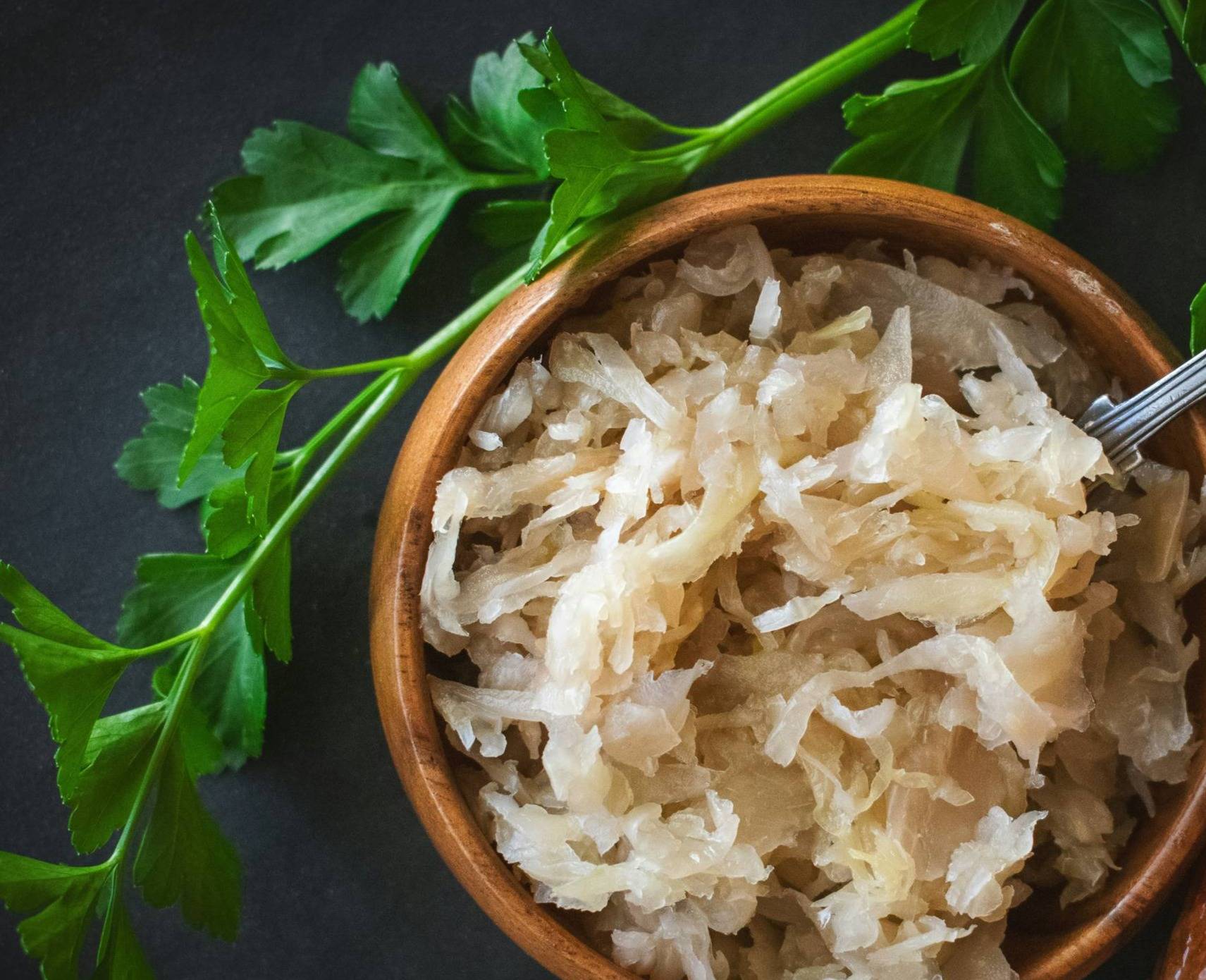
    I recently read an article titled “How to Make an Age-Old Superfood for Improved Digestion: Easy to Make at Home, Sauerkraut Supports Gut Health”, and it’s a great reminder of why sauerkraut remains one of my most frequently recommended foods for gut health.

    The article does a thoughtful job of connecting traditional food practices with modern digestive concerns, something I see reflected again and again in my work. Bloating, gas, stomach pain, low energy, these are common experiences, and while they’re often dismissed as temporary, they’re frequently signs that the gut could use more consistent support.

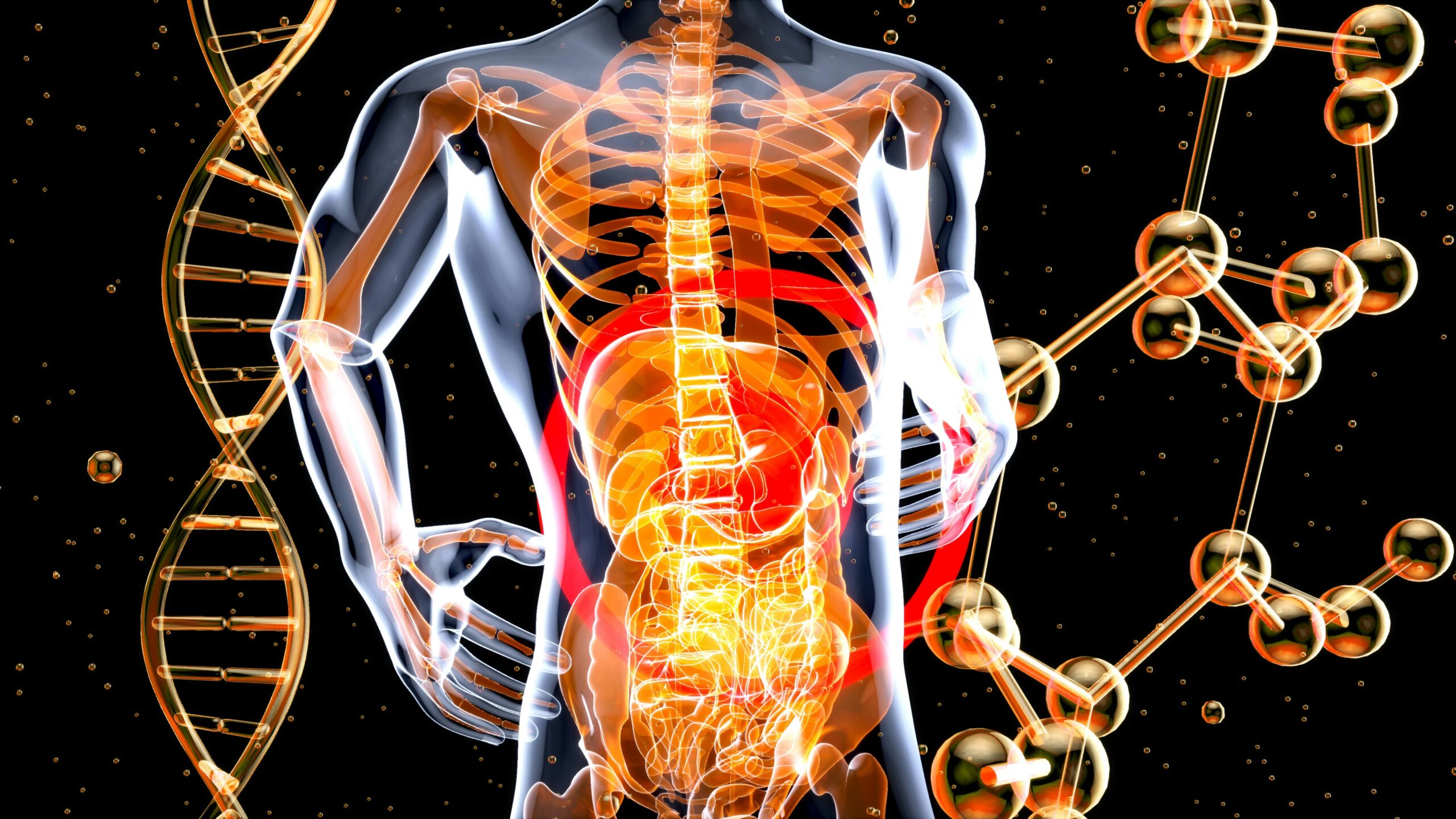
    As the article outlines, the gut is home to trillions of microorganisms that make up the gut microbiome. These microbes are involved not only in digestion and nutrient absorption, but also immune function and communication with the nervous system through the gut-brain axis.

    When this balance is disrupted, the effects can extend far beyond the digestive tract. Fatigue, brain fog, changes in mood, and increased inflammation are all increasingly linked to imbalances in gut bacteria. Because such a large portion of the immune system resides in the gut, digestive health plays a foundational role in how the body responds to stress and inflammation overall.

    This is one of the reasons food-based approaches to gut support can be so powerful.

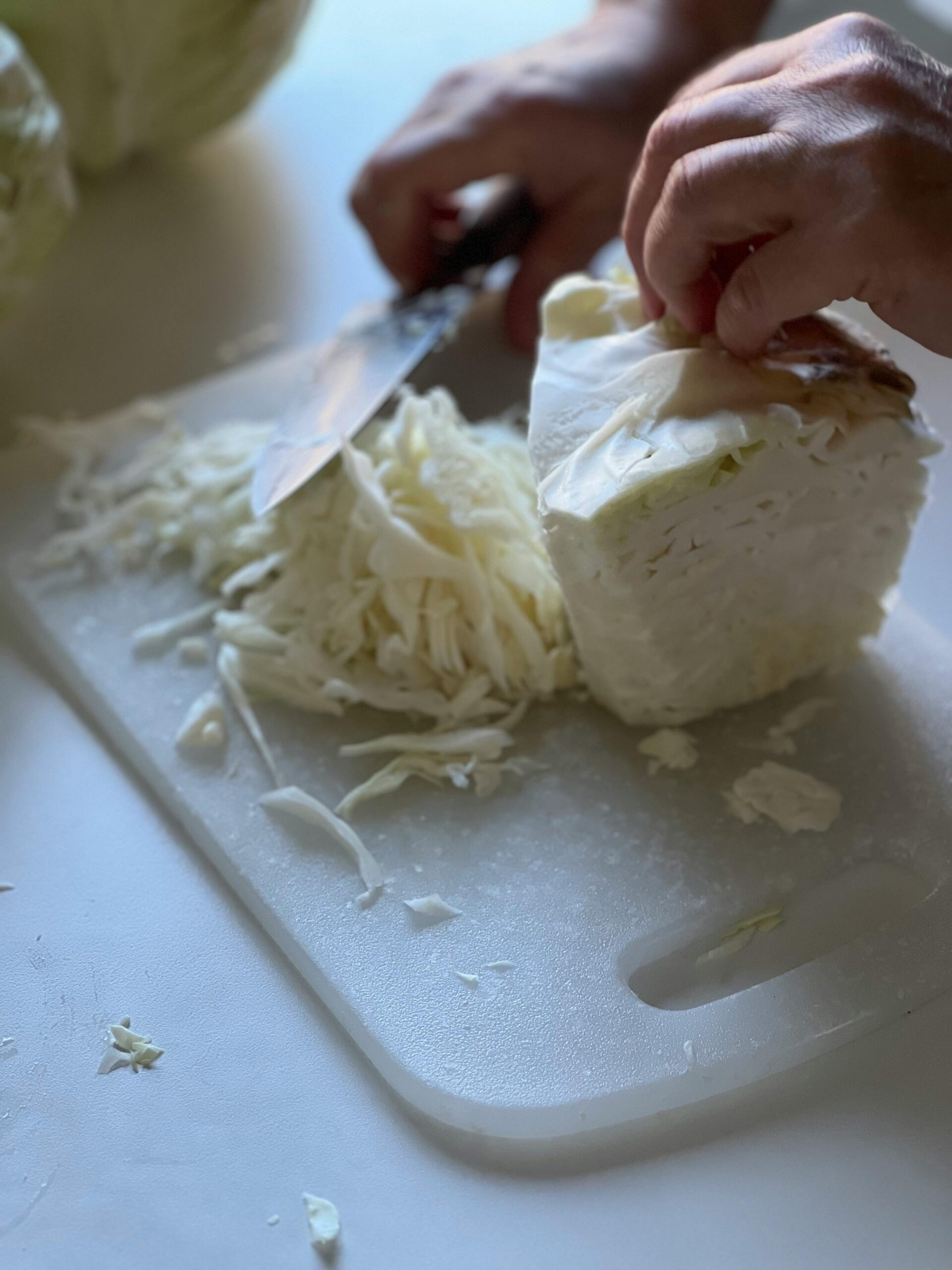
    The article highlights cabbage as an ideal candidate for fermentation, and for good reason. Cabbage is naturally high in fibre, which becomes a source of prebiotics once fermented, feeding beneficial gut bacteria. It also contains vitamins C and K, along with vitamin A, all of which support immune function and help regulate inflammation.

    Certain varieties, such as red cabbage, are especially nutrient-dense, offering high levels of vitamin C and antioxidants. Cabbage also provides minerals like potassium, magnesium, calcium, iron, and selenium. These nutrients work synergistically, for example, vitamin C enhances iron absorption, supporting energy levels, immune health, and digestion.

    Fermentation further enhances these benefits by increasing nutrient availability and creating an acidic environment where beneficial bacteria thrive and harmful microbes struggle to survive.

    One of the strengths of the article is its emphasis on simplicity. Sauerkraut requires very few ingredients or tools, yet delivers meaningful digestive benefits. This accessibility is part of why fermented cabbage has been used across cultures for centuries, not only as a preservation method, but as a way to support health through everyday food.

    While the article includes a detailed recipe for making sauerkraut at home, the recipe itself isn’t the most important takeaway. The real value lies in understanding why fermented foods like sauerkraut support digestion and how incorporating them regularly can help maintain microbial balance over time.

    As the article notes, sauerkraut is best eaten raw if tolerated, so the beneficial bacteria remain intact. Even small, consistent amounts can be supportive. It doesn’t need to be complicated or excessive, a few tablespoons alongside meals is often enough.

    What I appreciate most about this piece is that it frames sauerkraut not as a trend or quick fix, but as a practical, traditional food that supports digestion in a steady, long-term way.

    Sometimes the most effective tools for gut health aren’t new or flashy. They’re age-old foods, thoughtfully prepared and consistently enjoyed.

  • Workshop: Whole Food Plant Based Eating

    Workshop: Whole Food Plant Based Eating

    Jan 17, 2026: Explore the science behind whole food, plant-based eating and its impact on long-term health. This evidence-based workshop covers how nutrient-dense foods can support heart health, digestion, and energy levels. Learn practical strategies and mea ideas grounded in current research to help you make sustainable, informed dietary choices.

    Where: Monterey Rec Centre, Bamboo Room

    When: Jan 17th 2026, 1:30-3:00pm

    Registration opens: Dec 3, 2025 at MRC

  • Can Gut Health Influence How We Age?

    Can Gut Health Influence How We Age?


    This article explores growing scientific interest in the gut microbiome and its potential role in healthy ageing. Research on centenarians consistently shows that people who live long, healthy lives tend to have more diverse gut bacteria, which may help reduce inflammation, support resilience, and protect against frailty. While gut diversity naturally declines with age, those who maintain it appear to age better, not just live longer.

    The article follows a journalist who undergoes microbiome testing and works with experts to improve his gut health through diet. Findings suggest that significant dietary changes, particularly eating fibre-rich plant foods, fermented foods, healthy fats like olive oil, and minimizing ultra-processed foods, can shift the gut microbiome within weeks. Studies, including animal research, suggest gut bacteria may directly influence ageing processes rather than simply reflect overall health.

    Experts caution that gut health is only one piece of the longevity puzzle, alongside genetics, exercise, and lifestyle factors. However, diet may account for up to one-third of how we age, making everyday food choices a meaningful and accessible way to support long-term health.

  • In-home Cooking Class: Korean Inspiration

    In-home Cooking Class: Korean Inspiration

    I’m excited to offer another in-home whole-food, plant-based cooking class! This small-group experience (limited to 4 people) is hands-on, informative, and relaxed.

    Together we’ll prepare a delicious soy curl bulgogi, a quick kimchi salad, and carrot cake with cashew frosting, all made with nourishing ingredients and without refined oils or sugars.

    January 10, 2026 from 5:00 – 8:00 pm