Author: wpadmin

  • Book Review: The Microbiome Master Key by B. Brett Finlay and Jessica M. Finlay

    Book Review: The Microbiome Master Key by B. Brett Finlay and Jessica M. Finlay

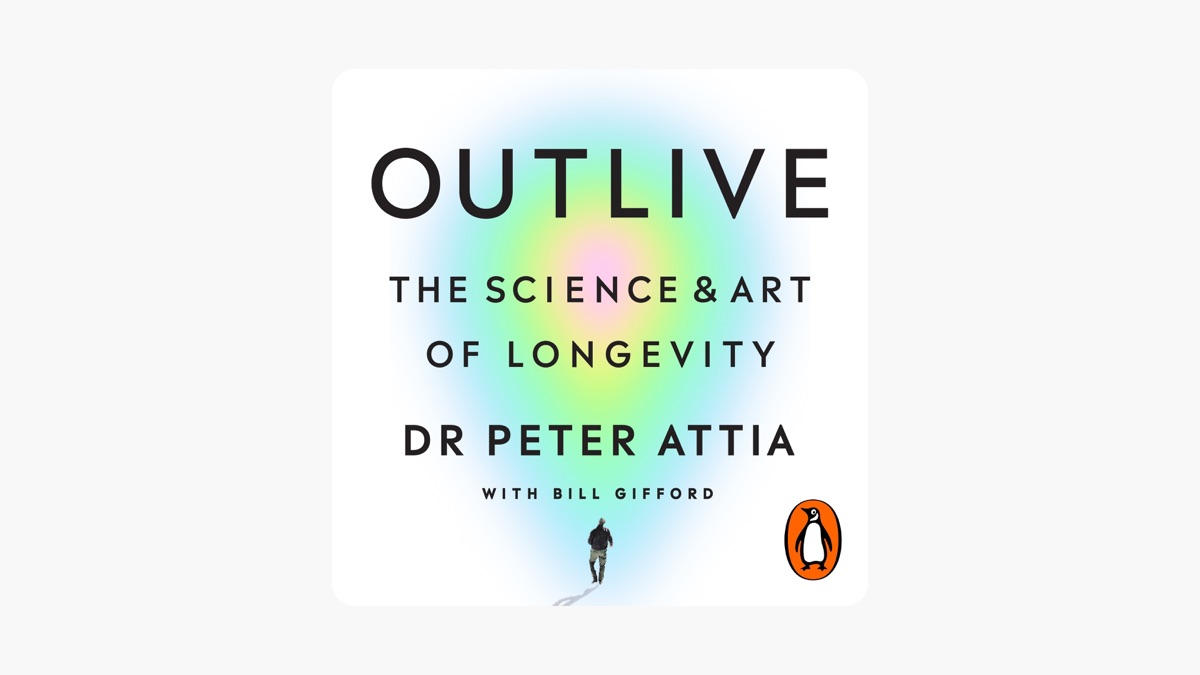
    The Microbiome Master Key by B. Brett Finlay and Jessica M. Finlay is, without question, the most comprehensive book on the human microbiome that I have read. While most people are familiar with the concept of the gut microbiome, and if you’ve been following my work, you’ll also have heard me talk about the oral microbiome, this book goes far beyond those commonly discussed areas.

    In addition to dedicated chapters on the gut and oral microbiomes, the authors present current research on a wide range of lesser-known but equally important microbial ecosystems. These include the skin microbiome; the microbiomes of the heart and brain; the lung microbiome; and the microbiome of the urogenital tract. There are also fascinating chapters exploring the relationship between microbes and the musculoskeletal system, microbes and cancer, the impact of sleep on the microbiome, and a chapter examining COVID-19 through a microbiome lens. The book also challenges the common perception that environmental microbes are inherently dangerous, highlighting instead their often-protective and beneficial roles in human health.

    One feature I particularly appreciated is the “Key Tips” section at the end of every chapter. While much of the book is highly technical and may not appeal to a general audience, these summaries distill complex research into practical, actionable insights. Even readers who choose to skim the technical sections would still gain value from these key takeaways alone.

    The final chapter brings everything together by outlining practical steps to support microbial health and longevity. The authors emphasize that humans live in constant partnership with their microbes, and that lifestyle choices should consider not only our own needs, but those of our microbial communities as well. Key themes include:

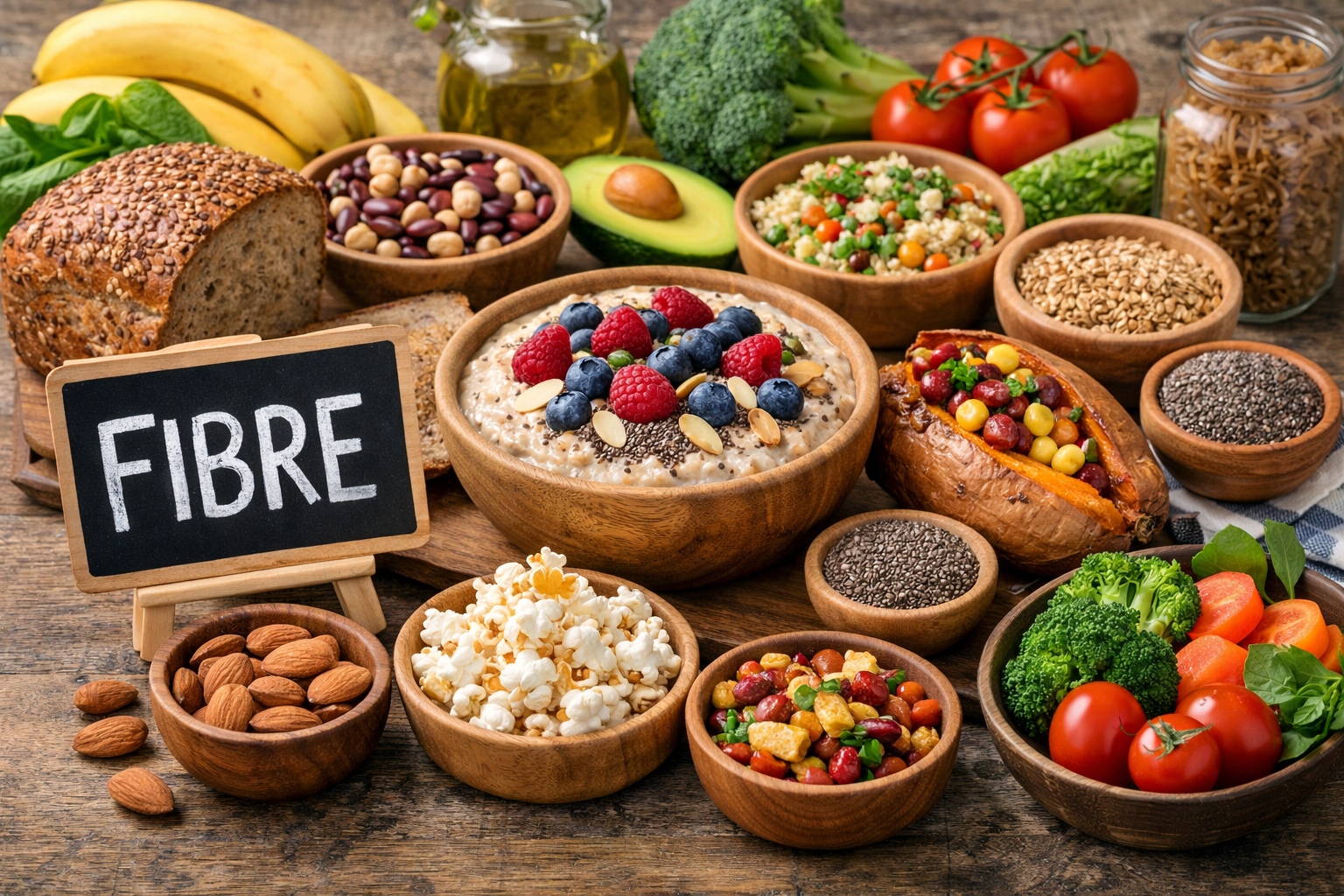
    • Nutrition: A diet rich in diverse, fibre-containing plant foods helps nourish a resilient and diverse microbiome. Minimally processed, plant-forward eating patterns are consistently associated with better microbial balance.
    • Movement: Regular physical activity supports microbial diversity and overall metabolic health. The focus is on staying active in sustainable, enjoyable ways rather than rigid exercise prescriptions.
    • Social connection: Strong social bonds with family, friends, and community are increasingly recognized as important for both mental health and microbial health, likely through their effects on stress, immunity, and behaviour.
    • Stress management: Chronic stress can negatively alter the microbiome. Practices that reduce stress, such as time in nature, mindfulness, or simply adequate rest, play an important role in microbial resilience.
    • Sleep: Consistent, high-quality sleep supports circadian rhythms that influence microbial function. Prioritizing restful sleep is a foundational, yet often overlooked, aspect of microbiome health.

    This is not a book I would recommend to everyone. However, for those who are curious, scientifically inclined, or interested in learning more about a specific microbiome, such as the lungs or skin, it’s an excellent resource. Even reading select chapters can deepen one’s understanding of how profoundly interconnected our microbes are with every aspect of human health.

  • Book Review:  Eat What Elephants Eat: Vegan Recipes for a Strong Body and a Gentle Spirit by Dominick Thompson

    Book Review: Eat What Elephants Eat: Vegan Recipes for a Strong Body and a Gentle Spirit by Dominick Thompson

    Although this cookbook is not strictly whole-food, plant-based, as small amounts of added oil are used, it is an excellent resource for anyone curious about vegan living or beginning their plant-based journey. Dominick Thompson opens the book by sharing his personal story of becoming vegan. Unlike many narratives that begin with a health crisis, Thompson’s turning point occurred while he was incarcerated. This unconventional and honest origin story sets the tone for a book that is as much about values and personal growth as it is about food.

    Thompson clearly articulates his “why” for veganism with the simple yet powerful motto: “If It Requires Harm, Then Nahh.” This guiding principle carries throughout the book and is reinforced by a thoughtful section on social justice, an element often missing from nutrition and recipe-focused writings. He explains that he named the book after “Earth’s largest herbivore, the mighty African elephant-an intelligent, gentle, curious, strong, and peaceful creature that fuels its massive body with plants.” This symbolism underscores the book’s message that strength and vitality can coexist with compassion.

    The book is organized into four main sections:

    • The Eat What Elephants Eat Journey
    • How to Eat What Elephants Eat
    • The EWEE Kitchen
    • Recipes

    Interwoven throughout are practical and accessible educational resources, including an overview of macronutrients, guidance on plant-based protein sources, healthy fats, and key micronutrients. Readers will also find helpful tools such as a plant-based milk guide, whole grain and bean batch-cooking tips, a build-a-bowl guide, a leafy greens overview, and a simple smoothie formula. These additions make the book feel both instructional and supportive, particularly for those new to vegan eating.

    The recipes themselves are clearly written, well organized, and beautifully photographed. Of the dishes I tried, the chickpea Caesar dressing stood out as a favourite, always a win when a recipe encourages more bean consumption! Many of the offerings are especially approachable for newcomers, with familiar comfort foods like Mac ’n “Cheese” and Orange “Chicken” reimagined in a vegan-friendly way.

    One minor drawback is that some recipes require components from other recipes within the book, which means a bit of advance planning and extra page-flipping. That said, this is fairly common in comprehensive cookbooks and is entirely manageable with a little organization.

    Overall, Eat What Elephants Eat is a thoughtful, encouraging, and practical cookbook. It serves as a strong resource for anyone at the beginning of their vegan journey, offering not just recipes, but context, compassion, and a broader understanding of how food choices connect to personal and social well-being.

  • Being Gentle with Ourselves This Holiday Season – December 2025 News

    Being Gentle with Ourselves This Holiday Season – December 2025 News

    December can feel like a whirlwind, between celebrations, obligations, and the year-end rush and it’s easy to lose sight of ourselves. In this month’s newsletter, I’m sharing gentle reminders for nourishing your body including some cozy recipes to support you through the season.

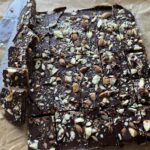
  • Dark Chocolate Turtles

    Dark Chocolate Turtles

    Dark Chocolate Turtles

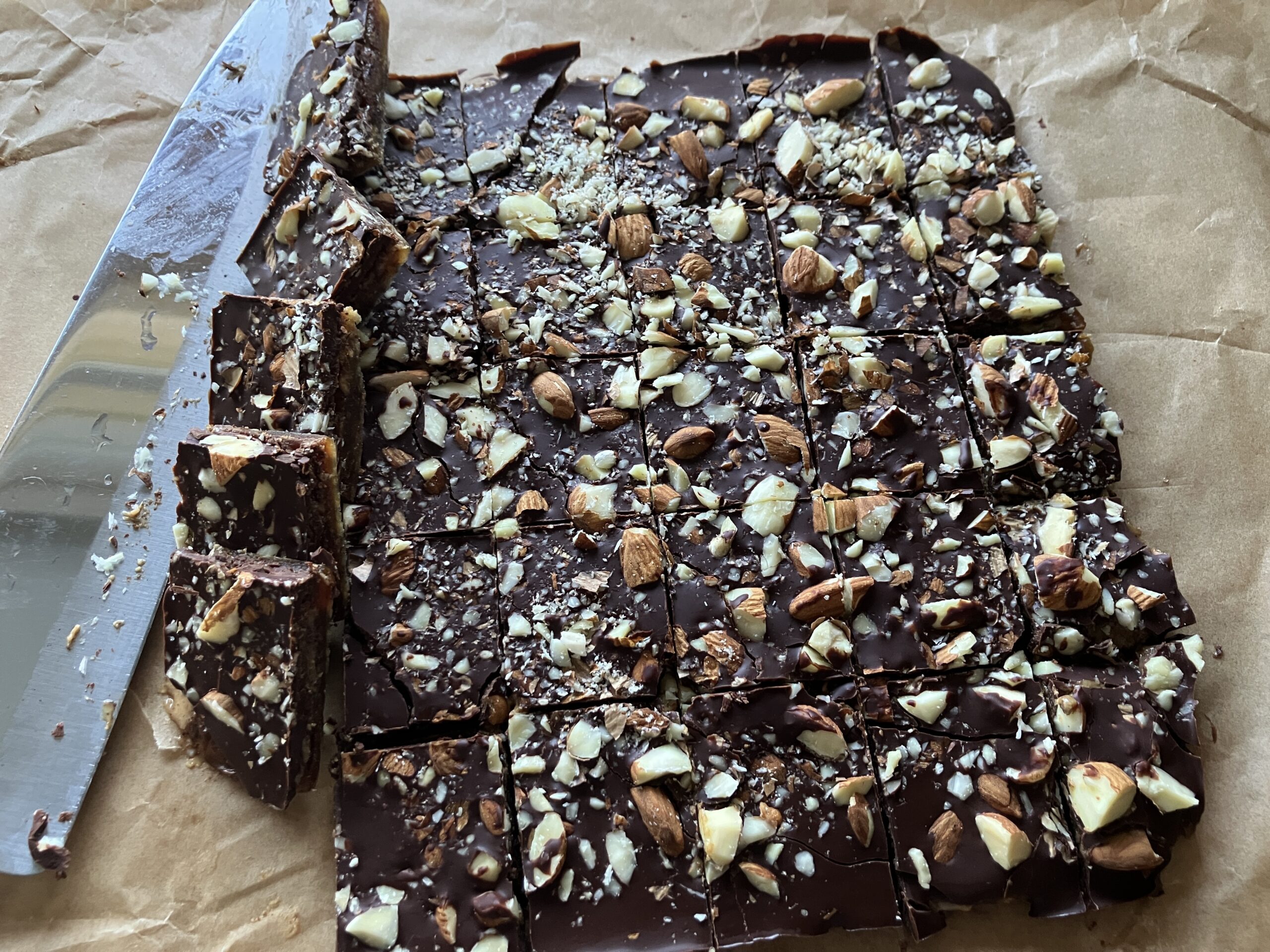
    These no-bake dark chocolate turtles are a naturally sweet twist on a classic treat. Chewy dates take the place of caramel, pecans add that signature crunch, and a rich dark chocolate coating brings it all together. With just a handful of simple ingredients, they’re easy to make and perfect for when you want something a little decadent without a lot of fuss. Keep a batch in the fridge or freezer for an anytime treat. A healthier dessert option that still feels totally indulgent.
    Course Dessert, Snack
    Total Time 30 minutes
    Servings 16

    Ingredients

    • 1 cup Pitted Dates soaked for 10 minutes then drained
    • 1 tsp Vanilla Extract
    • 16 Pecans whole or halves
    • 6 ozs Dark Chocolate

    Instructions

    • Finely chop the dates or blend in a food processor until sticky.
    • With damp hands, roll the dates into small even balls. Press the balls onto a pan lined with parchment paper, and top with pecans, pressing down slightly so that they stick. Freeze for 10 minutes.
    • Meanwhile, microwave the chocolate at 50% power for 30 seconds at a time until melted.
    • Using a fork, suspend the frozen dates into the chocolate until fully covered. Remove and let the excess chocolate drip off. Return to the parchment-lined pan and repeat until each date ball is coated with the chocolate.
    • Return to freezer for 10 more minutes to set. Transfer to the fridge until ready to enjoy.

    Notes

    No Pecans
    Use hazelnuts, almonds, cashews or pumpkin seeds instead.
    No Dates
    Use a combination of prunes, dried apricots or raisins instead.

    For extra flavour

    Lightly toast the pecans before topping the date ball although keeping them raw preserves more of their nutrients.
    Storage
    Refrigerate or freeze in an airtight container until ready to serve.
    No Microwave
    Melt the chocolate in a double boiler instead.
    Serving Size
    One serving is equal to one dark chocolate turtle.
  • Oil-free Hummus

    Oil-free Hummus

    Oil-free Hummus

    This creamy hummus gets a flavour boost from miso, adding subtle umami depth while keeping things simple and nourishing. It’s smooth, versatile, and easy to customize, perfect for dipping, spreading, or adding to bowls and wraps.
    Course Appetizer, Main Course, Snack
    Cuisine Mediterranean
    Total Time 10 minutes
    Servings 6

    Ingredients

    • 1 1/ 2 cups Chickpeas cooked
    • 2 cloves Garlic minced
    • 2 tbsps Lemon Juice
    • 1 tsp Miso Paste
    • 1/4 cup Tahini
    • 1/2 tsp Cumin
    • 1/2 tsp Smoked Paprika
    • 1/2 tsp Turmeric
    • 1/4 cup Water

    Instructions

    • Add the chickpeas to a food processor and blend until they form a thick, even puree.
    • Add the garlic, lemon juice, miso, tahini, and spices.
    • Turn the processor on high and slowly drizzle in the cold water. Keep blending until the hummus is ultra-smooth and creamy, this may take a minute or two.
    • Taste and adjust with more lemon juice or a small pinch of salt.
    • Serve immediately or store in the fridge for later.

    Notes

    Don’t have smoked paprika?
    Regular paprika works fine; add a tiny dash of liquid smoke if you want the smoky vibe.
    Make it spicy
    Add a pinch of cayenne.
    No tahini?
    Substitute almond butter, cashew butter, or sunflower seed butter.
    Try different beans
    You can swap the chickpeas for white beans (like cannellini or navy beans) for an extra-smooth, mild hummus variation.
    Consistency
    If hummus is too thick, add additional cold water, one tablespoon at a time.
    Serve it With
    Veggie sticks, brown rice tortilla chips, crackers, on a salad, in a wrap or as a sandwich spread.
    Storage
    Keeps 4-5 days in the fridge in an airtight container; may thicken after chilling, stir in a splash of water before serving.
    Freezes well
    Hummus freezes wonderfully for up to 3 months. Thaw in the fridge overnight and stir well, add a bit of water or lemon juice to bring back the creaminess.
  • Book Review: Food Intelligence by Julia Belluz & Kevin Hall

    Book Review: Food Intelligence by Julia Belluz & Kevin Hall

    “Nutrition isn’t rocket science, it’s much more difficult, and it affects our everyday lives.”

    Food Intelligence isn’t a light read, but for anyone eager to deepen their understanding of nutrition, metabolism, and the forces that shape our eating habits, it’s an absolute powerhouse. Co-written by Julia Belluz, a science journalist with a Master of Science who openly shares her own struggles with weight, and Dr. Kevin Hall, an internationally recognized expert in human nutrition, metabolism, obesity, and neuroscience, this book blends accessible storytelling with rigorous science.

    While many nutrition books stick to the usual macronutrient overview: protein, fat, and carbohydrates, Food Intelligence goes far beyond the basics. Belluz and Hall unpack the complex biological signals that control our hunger and satiety, weaving in what we now know about how the brain, hormones, and environment interact to shape behaviour. A central theme is the role of our modern food environment: how it nudges us, often unconsciously, toward overeating.

    One of the most compelling chapters tackles ultra-processed foods (UPFs). Rather than demonizing the entire category, the authors draw an important distinction: the real culprits are energy-dense, hyperpalatable UPFs, the packaged cookies, candies, salty snacks, and convenience foods engineered to override our internal stop signals. The book argues that these foods don’t just taste good, they’re biologically primed to disrupt appetite regulation.

    The section on improving the food environment is equally insightful. The authors outline how policy changes, such as adjusting advertising rules, taxing certain products, and making healthier options more accessible, could meaningfully reshape eating patterns on a societal level. Their discussion of “precision nutrition” is another highlight, cutting through hype to explain why personalized diets currently lack robust scientific backing.

    Additional chapters explore the history of vitamin supplementation (including how deficiency diseases shaped modern marketing), the global calorie “glut,” and the massive problem of food waste. The final chapter ties everything together with practical steps individuals can take, grounded not in guilt or restriction, but in understanding how to work with your biology rather than against it.

    Ultimately, Food Intelligence leaves readers with a sense of hope and clarity. Belluz and Hall make a compelling case that overeating and rising obesity rates are not failures of willpower but the predictable result of human biology colliding with a highly processed, highly marketed food landscape. By shifting the focus from personal blame to systemic understanding, they offer a refreshing and empowering perspective on what we can do, both individually and collectively, to create a healthier food future.

  • Let’s Talk Poop: Decoding Your Bowel Habits – November 2025 News

    Let’s Talk Poop: Decoding Your Bowel Habits – November 2025 News

    This month’s newsletter explores how your bowels and health are connected.

  • Warm Lentil & Sweet Potato Salad

    Warm Lentil & Sweet Potato Salad

    Warm Lentil & Sweet Potato Salad

    This warm lentil salad is a simple, nourishing bowl built from everyday whole-food ingredients. Tender steamed sweet potato, hearty lentils, vibrant spinach, and a tangy splash of balsamic come together to create a balanced, fibre-rich dish that supports steady energy and gentle digestion. It’s quick enough for weeknights, versatile for meal prep, and endlessly adaptable with whatever vegetables or herbs you have on hand. Enjoy it as a satisfying plant-based meal on its own or as a colourful side that brings comfort and nutrition to any table.
    Course Main Course, Salad, Side Dish
    Total Time 15 minutes
    Servings 4

    Ingredients

    • 2 Sweet Potato medium, peeled and cut into small cubes
    • 1 1/3 cups Vegetable Broth divided
    • 1 cup Red Onion chopped
    • 3 Garlic cloves, minced
    • 4 cups Baby Spinach
    • 4 cups Lentils cooked, rinsed
    • 1/4 cup Balsamic Vinegar
    • 1/2 cup Parsley chopped, optional

    Instructions

    • Place sweet potato in a steamer over boiling water, cover, and cook for 8 to 10 minutes or until tender.
    • Meanwhile, add half of the broth to a large pan with the onions and garlic. Cook over medium heat until the onions have softened, about 3 to 5 minutes. Add the salt and stir to combine. Wilt in the spinach.
    • Add the lentils, balsamic vinegar, and the remaining broth. Continue to cook over medium heat for about 5 minutes more until most of the liquid has been absorbed.
    • Remove the pan from the heat and stir in the steamed sweet potato and parsley. Divide into bowls and enjoy!

    Notes

    Swap the sweet potato
    Butternut squash, carrots, or parsnips work well in place of sweet potato. Just keep the bite-sized cubes for even cooking.
    Use different greens
    Baby kale, chard, or finely shredded lacinato kale can be used instead of spinach. If using heartier greens, sauté an extra few minutes to soften.
    Try other lentils
    Brown or green lentils hold their shape best, but French (Puy) lentils are also great for texture. Avoid red lentils, which will break down and make the salad mushy.
    Add fresh herbs
    Swap or add herbs such as cilantro, dill, or basil for a different flavour profile.
    Bump up the acidity
    If you like a brighter dressing, add a splash of lemon juice or a teaspoon of Dijon mustard with the balsamic.
    Make it a meal
    Add pumpkin seeds, hemp hearts, cooked quinoa, or roasted chickpeas for more protein and crunch.
    Add aromatics
    A pinch of smoked paprika, cumin, or chili flakes meshes nicely with the sweet potato and lentils.
    Serving suggestion
    This salad is excellent warm, but also holds up well chilled for meal prep. It thickens slightly as it sits.
    Leftovers
    Refrigerate in an airtight container for up to four days. Reheat with extra vegetable broth if lentils become too dry.

  • Cooking Testimonial 8

    “Thank you for your enthusiasm and knowledge.”

  • Cooking Testimonial 7

    “Thank you! Great! I look forward to Peggy’s coming classes.”