Protein is having a moment.
Walk into a grocery store and you’ll find protein added to just about everything, cereal, cookies, popcorn, drinks and even coffee. And social media is full of advice telling us we need to eat more of it, especially as we get older.
So when I came across a recent article in TIME, “Could Eating Less Protein Help You Age Better and Live Longer?”, it caught my attention.
I’ll admit, I found it a little difficult to follow. There is a lot of conflicting research around protein, aging, muscle health and longevity, and the article does a good job of presenting both sides.
But one point at the very end really stood out to me:
“Think about the quality of your diet before you worry about how much protein you’re eating.”
The new review looked at 350 studies of protein restriction in animals and humans. The animal research is interesting: in several species, eating less protein has been associated with longer lifespans and better markers of health.
Some small human studies have also found benefits from eating protein at levels around the recommended dietary allowance.
But, and this is important, we don’t yet have enough long-term research in humans to say that eating less protein will help us live longer. And protein is essential for maintaining muscle, supporting bones and many other functions in the body.
So I don’t think the takeaway should be “eat less protein.”
Instead, I think we should be asking where our protein is coming from.
Not all protein comes in the same package
A 2024 study from researchers at Tufts University found that people who consumed more plant-based protein were more likely to experience healthy aging and had a lower risk of several chronic diseases.
The picture was different for animal protein, with higher intake associated with a greater risk of chronic diseases.
This is important because we don’t eat isolated nutrients. We eat foods.
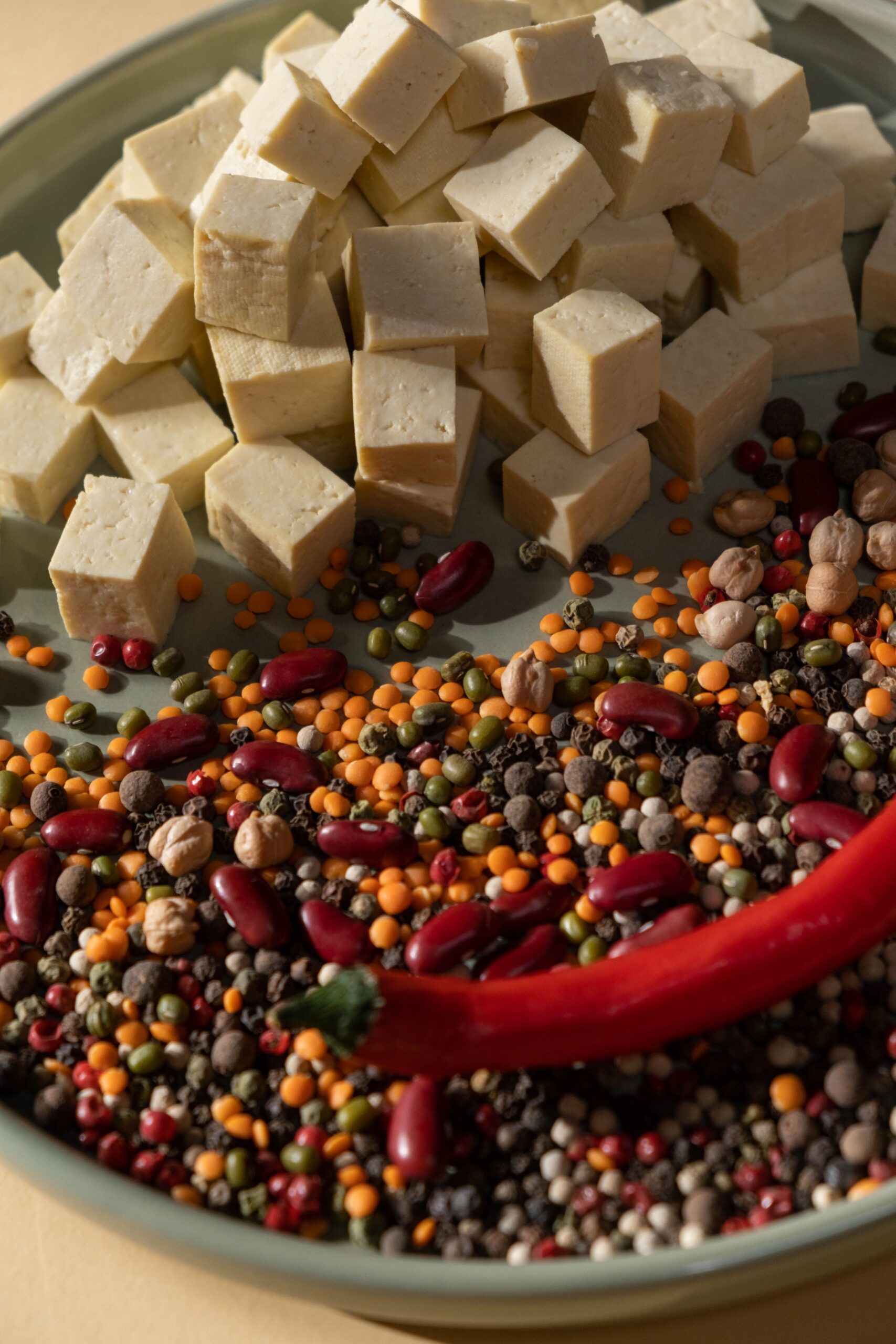
Lentils, beans, tofu, nuts and seeds don’t just provide protein. They also bring fibre, vitamins, minerals and a whole range of beneficial plant compounds.
A highly processed “high-protein” snack may provide protein too, but that doesn’t automatically make it a healthy choice.
Look at the whole plate
Instead of worrying about whether you’ve hit a particular protein number today, start with the bigger picture.
Are you eating plenty of vegetables and fruit? Beans and lentils? Whole grains? Nuts and seeds? A variety of minimally processed plant foods?
If the answer is yes, you’re probably doing a lot more for your long-term health than chasing the latest protein-enhanced product.
Protein is important. But more isn’t necessarily better, and the ideal amount isn’t going to be exactly the same for everyone.
So the next time you find yourself wondering, “Am I eating enough protein?”, perhaps ask yourself a different question first:
“How can I improve the quality of my diet?”
That might be the more important question after all.
Leave a Reply