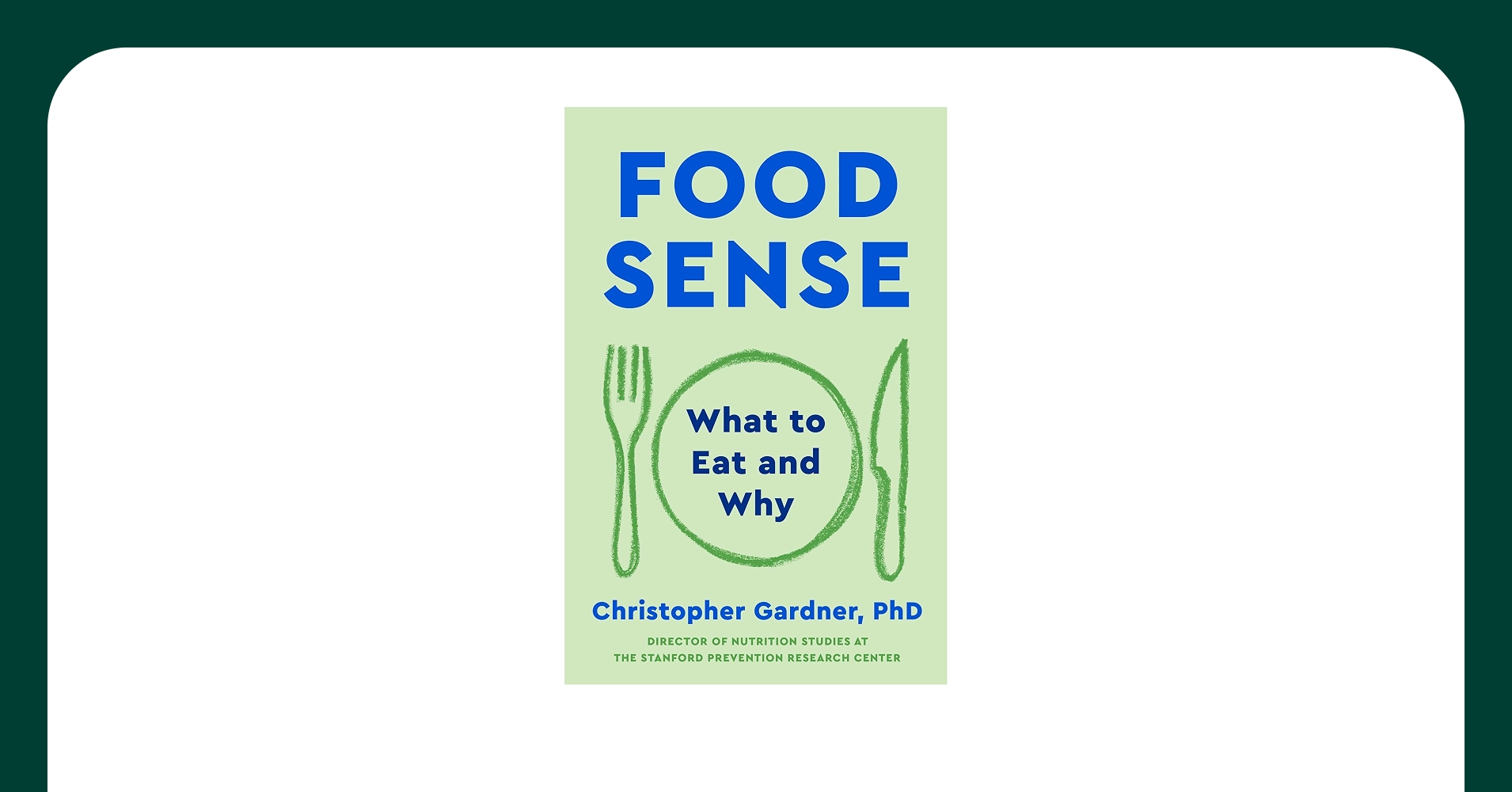
If you read just one nutrition book in 2026, make it this one! This is easily my top book recommendation for the year.
I absolutely loved this book, and what’s perhaps most surprising is that it’s not even a whole-food, plant-based book! Dr. Christopher Gardner has a wonderfully approachable way of presenting nutrition. It’s an easy read, informative, non-judgmental, and written in a way that makes even some of the more complicated nutrition topics understandable to the general population. He presents the facts without telling you what you should or shouldn’t eat, leaving room for you to decide what works best for you.
The book is divided into three main sections. Part One focuses on what we should eat, while Part Two, which makes up the bulk of the book, tackles the confusion and often conflicting messages surrounding nutrition. I particularly appreciated the chapters on cholesterol and eggs. I also loved the discussions on protein, fibre, and ultra-processed foods, as these are topics I seem to find myself talking about all the time!
Part Three takes a more practical approach. Gardner shares what’s in his own pantry, covering everything from kitchen equipment and tools to staples such as nuts, seeds, spices, and oils. The final chapter features some of his favourite recipes, with preparation and cooking times included and a nice variety to choose from.
One of the things I especially appreciated was his discussion in the introduction about the five factors that influence our food choices: taste, joy and pleasure, health, our values, and our culture. It’s a great reminder that eating is about so much more than nutrition. Our food choices are influenced by a variety of factors, and sometimes those factors compete with one another.
Another idea that really resonated with me was his observation that “what you eat a food with, and what you eat instead of something else determines a food’s relative merit.” I love this perspective because it encourages us to look at food in context rather than labelling individual foods as simply good or bad.
And finally, I loved this thought from the epilogue:
“I am hopeful that your personal food journey may be never-ending, and that it center on joy and exploration.”
What a wonderful way to think about our relationship with food. There is always something new to discover, learn, and enjoy.
Whether you’re interested in improving your health, confused by all the nutrition advice out there, or simply curious about food, I think you’ll find something valuable in it. It’s refreshing to read a nutrition book that leaves you feeling informed rather than overwhelmed.
Leave a Reply