I’ll be teaching two classes a month at Royal Oak Middle School through Saanich Recreation and one class a month at North Saanich middle School through Pan Rec.
Registration will open in July with the first class happening at the end of September.
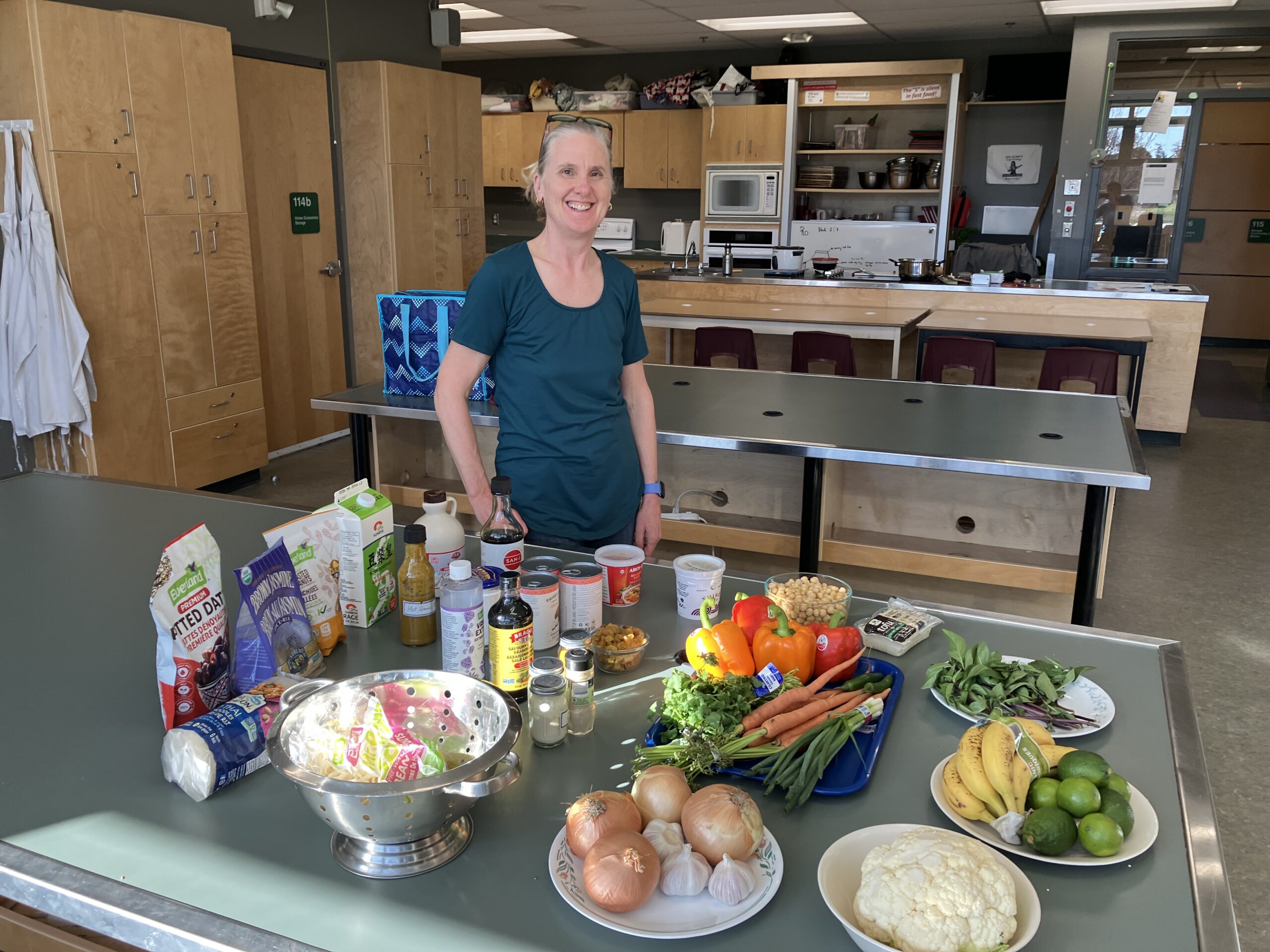
I’ll be teaching two classes a month at Royal Oak Middle School through Saanich Recreation and one class a month at North Saanich middle School through Pan Rec.
Registration will open in July with the first class happening at the end of September.

Spice up your kitchen with a hands-on whole-food plant-based taco class. Learn to make Black Bean Tacos, Mexican Brown Rice, Chipotle Cashew Cheese, and decadent Chocolate Cake, all gluten-free, oil-free, and refined sugar-free. Bold flavours, wholesome ingredients.
Thurs May 14, 2026 6-9:30pm $109
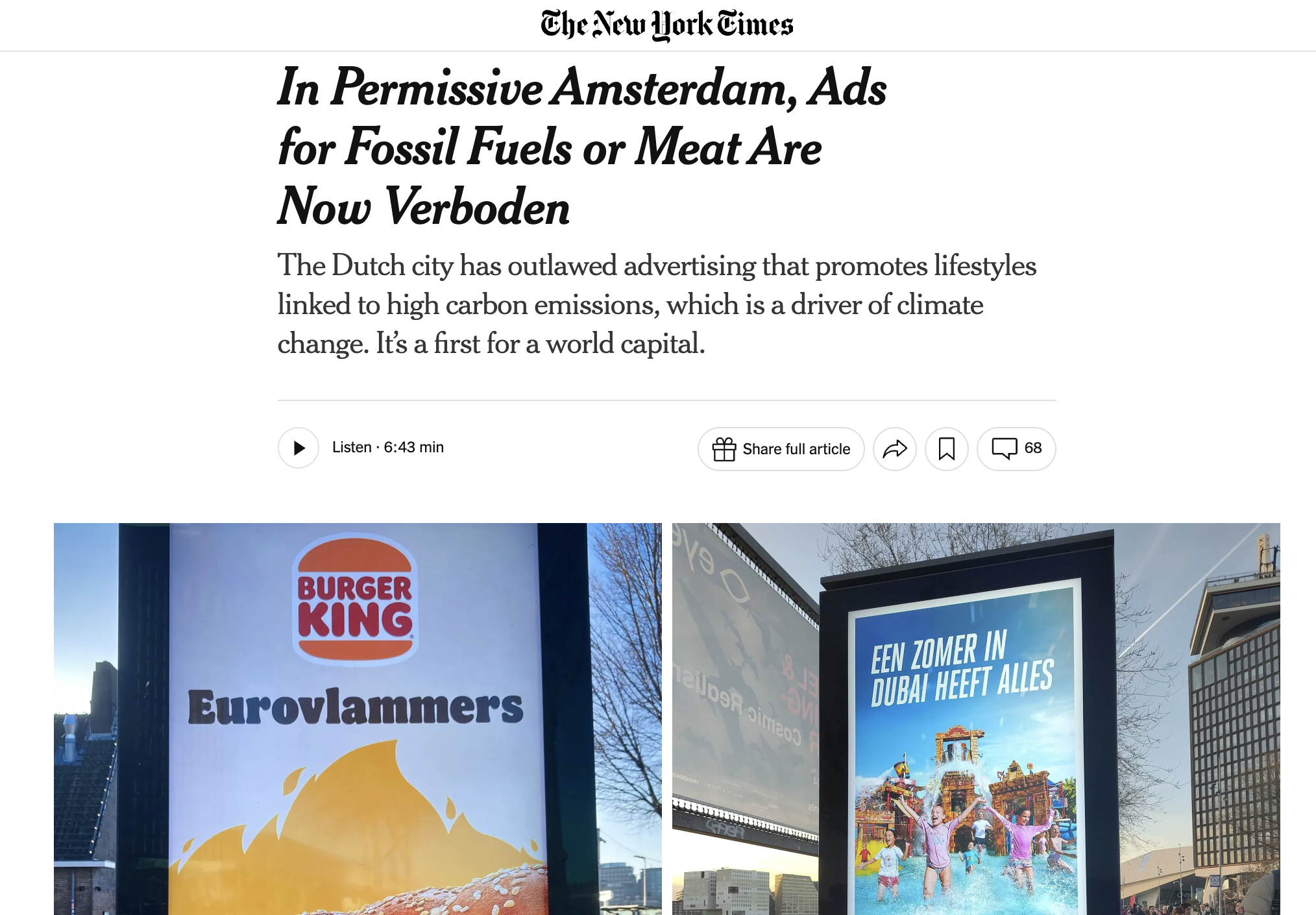
Amsterdam has long had a reputation for being open-minded, almost anything goes. But as of May 1, there’s a new line being drawn, not around personal freedom, but around public messaging.
The city has become the first capital in the world to ban advertisements for fossil fuels and meat in public spaces.
Not consumption itself. Not personal choice. Just the ads. And that distinction matters.
Because whether we realize it or not, advertising shapes our “normal.” It quietly reinforces what we reach for, what we crave, what we aspire to. When certain products are constantly in our line of sight, on buses, billboards, transit shelters, they stop feeling like choices and start feeling like defaults.
Amsterdam is essentially asking: What if we changed the backdrop?
As someone who focuses on nutrition for health, I usually talk about plant-based eating in terms of digestion, energy, and long-term wellness. But for many people, the motivation starts somewhere else, environmental concerns, animal welfare, or a mix of all three.
This move by Amsterdam speaks more to those broader motivations. It’s less about telling people what to eat and more about questioning what we collectively promote.
Because there’s an interesting tension here.
On one hand, we value personal freedom. On the other, we’re constantly being influenced, often without noticing, by industries with a strong stake in keeping certain habits alive.
So what happens when a city decides to step in and reduce that influence? Does it create space for more conscious choices… or does it feel like a step too far?
I don’t think there’s a simple yes-or-no answer. But I do think it opens up an important conversation, one that connects our individual choices to the environments that shape them.
And maybe that’s the real takeaway here.
Not just what we choose to eat or consume, but how those choices are being nudged every single day.
So I’ll leave you with this:
If the world around you made plant-based choices feel like the default instead of the exception, how (if at all) do you think your own habits might shift?
(Inspired by this New York Times article.)

Explore the vibrant flavours of India in this hands-on, whole-food plant-based class! Make Tofu Curry, Tarka Dal, Chickpea Saag, and Carrot Halwa, all gluten-free, full of bold spices, and perfect for cozy, flavourful meals at home.
Mon Apr 27, 2026: 6:00 PM – 9:30 PM $109
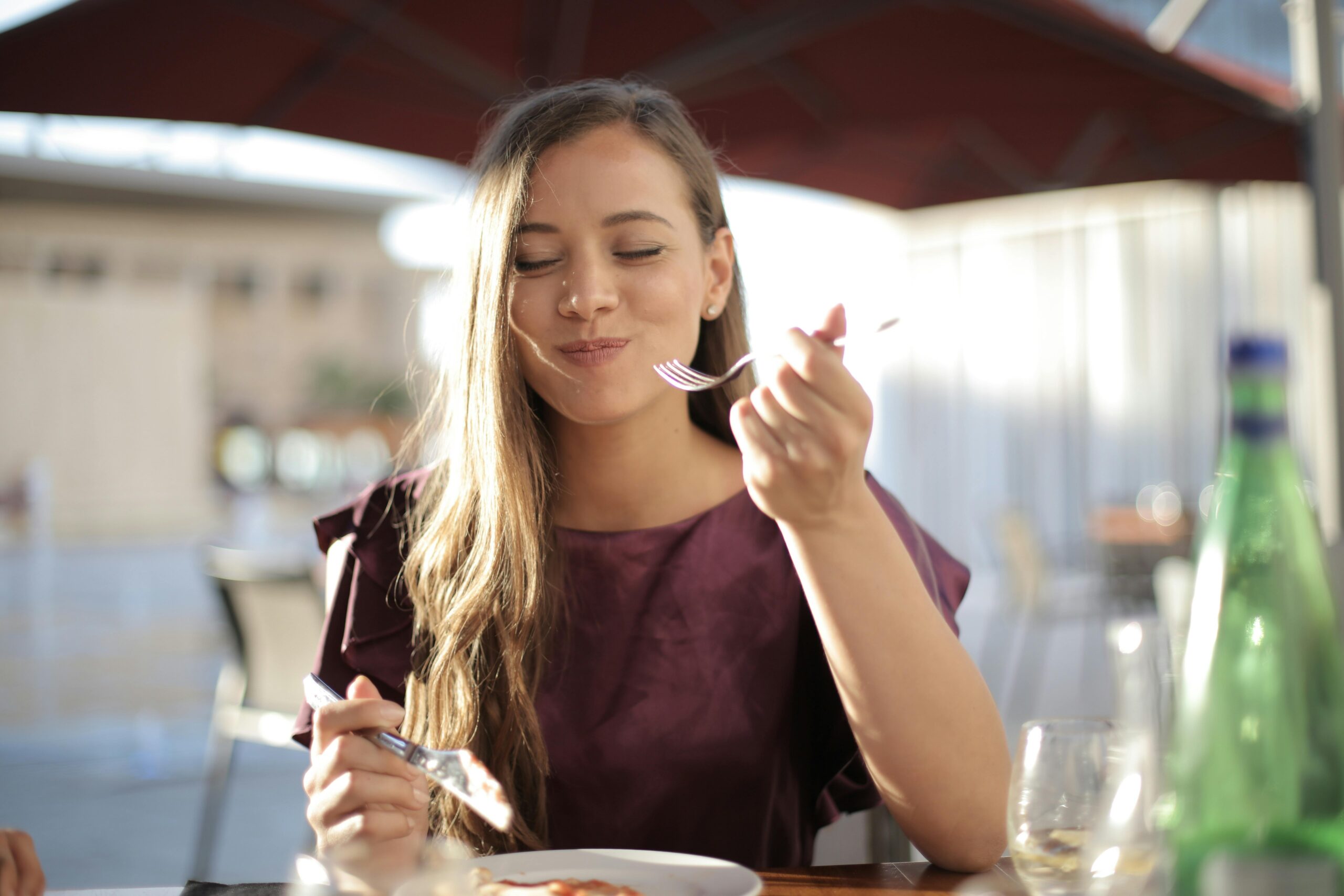
A simple shift can make a big difference in how you feel after you eat.
This month, I’m focusing on mindful eating, what it actually looks like in real life, and how slowing down just a little can support better digestion, reduce discomfort, and help you feel more satisfied with your meals. Along with that, I’m sharing a couple of simple, seasonal recipes to keep things easy and enjoyable in the kitchen.

Indulge in a hands-on class featuring a variety of plant-based treats. We’ll make Matcha Bites, Pecan Pie Squares, Four-Bite Brownies, Breakfast Cookies and Puffed PB Chocolate Squares, perfect for snacks, gifts, or a little everyday indulgence. Each recipe is gluten-free and made without refined sugars or oils, but full of flavour and feel-good ingredients.
Tues Apr 14, 2026 6-9pm $110
North Saanich Middle School, 10400 McDonald Park Rd.
Register through Panorama Rec

Every once in a while, I come across an article that feels completely aligned with the work I do and this one from NPR is exactly that. The term “poophoria” immediately caught my attention (of course!), but beyond the catchy name, it highlights something I talk about with clients all the time: digestion should feel easy, comfortable, and uneventful.
And not surprisingly, one of the biggest themes? Fibre. Always fibre.
As a gut health practitioner, I love seeing this kind of conversation becoming more mainstream. Because the truth is, so many people are dealing with bloating, constipation, or unpredictable digestion and just accepting it as normal. It doesn’t have to be that way.
The article features gastroenterologist Dr. Trisha Pasricha, who defines “poophoria” as having bowel movements that are quick, effortless, and pain-free. Simple, right? But for so many people, that’s not the norm. In fact, about 40% of people experience digestive issues that disrupt their daily lives. That’s huge and also a reminder that we need to be talking about this more.
What I really appreciate about Dr. Pasricha’s approach is that it’s not about perfection. There’s no “ideal” number of times you should go each day, and there’s a wide range of normal. Instead, the focus is on how you feel and whether your digestion is working with you, not against you.
So, what actually helps you get to poophoria?
Let’s start with the star of the show: fibre.
Fibre is one of the most powerful (and underrated) tools for gut health. It helps regulate digestion in both directions, firming things up when things are too loose, and softening when things are too slow. But beyond that, fibre feeds your gut bacteria, which then produce compounds that reduce inflammation and support long-term health.
This is something I emphasize constantly in my practice. Most people simply aren’t getting enough fibre, and increasing it, gradually and intentionally, can be a game changer.
The article also touches on something I love: using spices not just for flavour, but for function. Ingredients like garlic, mustard, and even a bit of heat from peppers can gently stimulate digestion when used in the right amounts. It’s a great reminder that food is doing so much more than just filling us up.
On the flip side, there are a few habits worth rethinking.
Highly processed foods and artificial sweeteners can disrupt the gut microbiome and contribute to symptoms like bloating, diarrhea, and IBS. This lines up with what we see in practice all the time, when people shift toward more whole, minimally processed foods, their digestion often improves significantly.
Then there are the lifestyle habits and some of these might surprise you.
Spending too long on the toilet (especially with your phone) can actually increase your risk of hemorrhoids. It makes sense when you think about it: distraction keeps you sitting longer than necessary, and stress from scrolling doesn’t exactly help your body relax.
Movement, on the other hand, can help stimulate digestion. Even a short walk can encourage your body to do what it’s designed to do.
And finally, posture matters. Elevating your feet and leaning forward (think: a mini squat position) can make a big difference in how easily your body eliminates waste. It’s a small shift with a surprisingly big impact.
The takeaway?
Healthy digestion shouldn’t be complicated and it definitely shouldn’t be uncomfortable. “Poophoria” might be a playful term, but the concept behind it is important. When your gut is functioning well, it supports everything from your energy levels to your long-term health.
If you’re dealing with bloating, irregularity, or discomfort, don’t ignore it. Your body is giving you useful information.
And if there’s one place to start, let it be this: add more fibre, tune into your body, and support your gut with simple, consistent habits.
Because yes, feeling good after you go to the bathroom is a real thing. And it’s absolutely something worth aiming for.
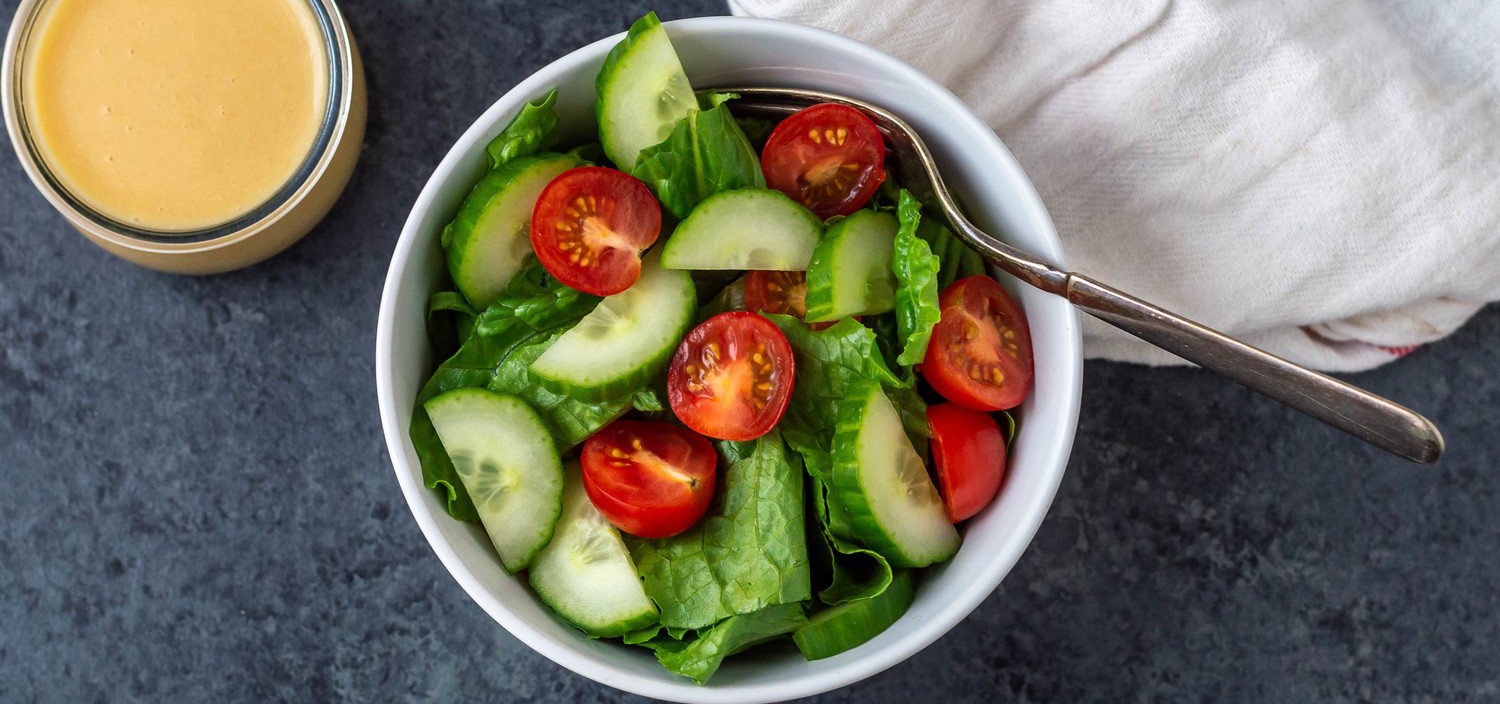

Explore the vibrant flavours of whole-food plant-based Thai cooking! In this hands-on class, make Thai Curry with Chickpeas, Pad Thai, and creamy Rice Pudding, all gluten-free and made from whole foods. Perfect for beginners. Come hungry and leave inspired!
Thur Apr 9, 2026: 6:00 PM – 9:30 PM $109